Natural Home Remedies for Non-Alcoholic Fatty Liver: A Doctor's Guide
Meena, 45, a homemaker from Jaipur, noticed unusual fatigue and a dull ache in her upper right abdomen. Her routine medical check-up revealed elevated hepatic enzymes, a precursor to a diagnosis of Non-Alcoholic Fatty Liver Disease (NAFLD).
Like Meena, millions in India grapple with this condition, often silently. Honestly, understanding and managing this hepatic situation, particularly through natural home remedies, is crucial for long-term well-being.
Hepatic steatosis involves the accumulation of excess lipids in the liver. While it can be linked to alcohol consumption (Alcoholic Fatty Liver Disease or AFLD), a significant portion of cases fall under NAFLD, which is not related to heavy alcohol use. Factors like obesity, diabetes, high cholesterol, and metabolic syndrome significantly contribute to NAFLD's prevalence.
Did you know that over 101 million Indians have diabetes (ICMR, 2023), a major risk factor for hepatic steatosis? This highlights the urgency of addressing hepatic function within our population.
The liver, a vital organ, performs over 500 essential functions, including detoxification, protein synthesis, and producing biochemicals necessary for digestion. When fat infiltrates the hepatic cells, it can impair these functions, potentially leading to swelling (steatohepatitis), scarring (fibrosis), and even cirrhosis or hepatic cancer in severe cases.
Most people overlook this completely.
What most people miss: the early stages of NAFLD often present with subtle or no symptoms, making regular medical screenings indispensable.
Understanding Hepatic Steatosis
Hepatic steatosis is broadly categorized into two types: Alcoholic Fatty Liver Disease (AFLD) and Non-Alcoholic Fatty Liver Disease (NAFLD). AFLD is a direct consequence of excessive alcohol intake, damaging hepatic cells and leading to fat buildup.
NAFLD, conversely, affects individuals who consume little to no alcohol. It is further classified into simple hepatic steatosis, where fat is present but there's little to no swelling or hepatic cell damage, and non-alcoholic steatohepatitis (NASH), a more severe form characterized by hepatic swelling and potential cell damage, which can progress to fibrosis and cirrhosis.
The incidence of NAFLD has surged globally, mirroring rising rates of obesity and metabolic syndrome. In India, lifestyle shifts, including dietary changes and reduced physical activity, have contributed to its alarming spread.
A study published in The Lancet Gastroenterology & Hepatology estimated that around 30% of the Indian adult population might be affected by NAFLD, with higher prevalence in urban areas and among those with metabolic danger factors. This statistic underscores the widespread nature of the concern.
Here's where it gets interesting.
Dietary Strategies for a Wholesome Liver
Dietary modifications form the cornerstone of managing hepatic steatosis naturally. The goal is to reduce lipid accumulation, manage weight, and improve insulin sensitivity. Here's the thing: focusing on whole, unprocessed foods is paramount.
Foods to Embrace
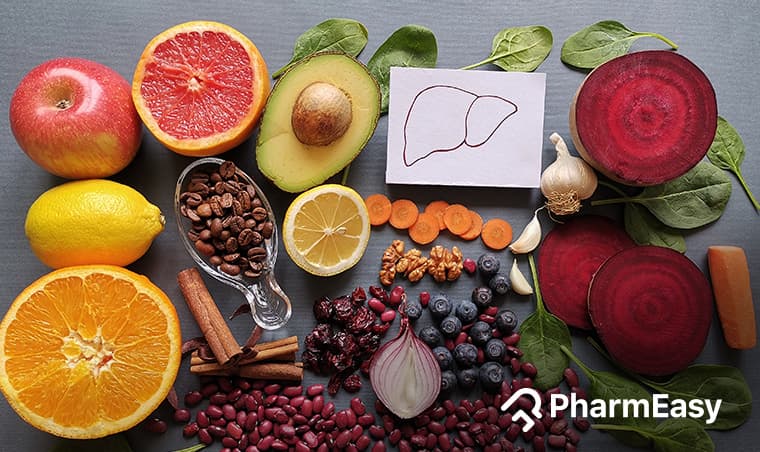
- Fruits and Vegetables: Rich in antioxidants and fibre, these help combat oxidative stress and swelling. Berries, apples, leafy greens (like spinach and methi – fenugreek leaves, often enjoyed in Indian households), and cruciferous vegetables (broccoli, cauliflower) are excellent choices.
- Whole Grains: Opt for oats, brown rice, quinoa, and whole wheat instead of refined grains. Their high fibre content aids in digestion and blood sugar control.
- Lean Proteins: Include fish (rich in omega-3 fatty acids), chicken breast, beans, lentils (dal), and tofu. These are essential for repair and satiety without excessive lipids.
- Beneficial Fats: Monounsaturated and polyunsaturated fats found in avocados, nuts, seeds (flax, chia), and olive oil are beneficial.
- Green Tea: Studies suggest that the antioxidants in green tea, particularly catechins, may assist reduce hepatic lipids and swelling.
Foods to Limit or Avoid
- Sugary Foods and Drinks: Fructose, especially from processed sources and sugary beverages, is directly linked to increased hepatic lipids. Avoid sodas, fruit juices with added sugar, sweets, and pastries.
- Refined Carbohydrates: White bread, white rice, pasta, and sugary cereals can spike blood sugar levels, contributing to lipid buildup.
- Saturated and Trans Fats: Found in red meat, butter, full-fat dairy products, fried foods, and many processed snacks, these fats worsen hepatic well-being.
- Alcohol: For those with AFLD, complete abstinence is essential. For NAFLD patients, avoiding alcohol is strongly recommended to prevent further hepatic stress.
- Excessive Salt: High sodium intake can contribute to fluid retention and swelling.
Worth knowing: Traditional Indian diets, when balanced, can be quite liver-friendly. Incorporating more whole dals, diverse vegetables, and using healthy cooking oils like mustard or groundnut oil in moderation can be beneficial. However, festive diets, often rich in fried snacks and sweets, need careful moderation.
Lifestyle Modifications for Hepatic Well-being
Beyond diet, integrating healthy lifestyle habits is non-negotiable for managing hepatic steatosis. Regular physical activity is a powerful tool in reducing hepatic lipids and improving overall metabolic well-being.
Aim for at least 150 minutes of moderate-intensity aerobic exercise per week, such as brisk walking, jogging, swimming, or cycling. Strength training exercises are also beneficial.
Weight management is critical, especially for individuals who are overweight or obese. Losing even 5-10% of body weight can significantly reduce hepatic lipids and swelling. Does this sound familiar?
Many find it challenging to lose weight, but consistent effort combined with a wholesome diet and exercise routine yields results. Remember Meena from Jaipur? She incorporated daily walks and reduced her intake of fried foods, leading to a noticeable improvement in her energy levels and test results.
This is where most individuals struggle.
Stress management techniques like yoga, meditation, or deep breathing exercises can positively impact hepatic well-being by reducing swelling and improving hormonal balance. Honestly, chronic stress can exacerbate many medical conditions, including hepatic steatosis.
Natural Remedies and Supplements (Use with Caution)
While a wholesome diet and lifestyle are primary, certain natural remedies are often discussed. However, it is imperative to approach these with caution and always under medical supervision. The effectiveness and safety of many supplements are not robustly proven, and they can interact with medications.
- Turmeric (Curcumin): Curcumin, the active compound in turmeric, possesses potent anti-swelling and antioxidant properties. Some research suggests it may enable elevate hepatic function and reduce lipid buildup. Ensure you use pure turmeric and consult your doctor regarding dosage.
- Amla (Indian Gooseberry): This vitamin C-rich fruit is known for its antioxidant and detoxifying properties, potentially aiding hepatic well-being.
- Milk Thistle: Silymarin, the active compound in milk thistle, is traditionally used for hepatic support due to its antioxidant and anti-swelling effects. However, its efficacy for NAFLD requires more definitive research.
- Garlic: Garlic contains compounds like allicin, which may have beneficial effects on hepatic enzymes and lipid metabolism.
So what does that mean for you? These remedies should complement, not replace, conventional medical advice and lifestyle changes. Relying solely on supplements without addressing underlying causes like poor diet or sedentary habits is ineffective.
The Role of Hydration and Sleep
Adequate hydration is fundamental for overall well-being, including hepatic function. Drinking plenty of water throughout the day helps the body flush out toxins and supports metabolic processes. Aim for at least 8-10 glasses of water daily. Limiting sugary beverages is key here.
It sounds simple. It rarely is.
Sufficient sleep is equally important. During sleep, the body undergoes repair and regeneration processes. Chronic sleep deprivation can negatively affect metabolism and increase swelling, potentially worsening hepatic steatosis. Most adults need 7-9 hours of quality sleep per night.
When to Seek Medical enable
While home remedies and lifestyle changes are powerful, professional medical guidance is essential. If you experience persistent warning signs like fatigue, abdominal pain, unexplained weight loss, jaundice (yellowing of skin and eyes), or swelling in the abdomen or legs, seek immediate medical attention. Regular check-ups and hepatic function tests, as recommended by your doctor, are crucial for monitoring the disorder's progression.
Remember, early diagnosis and intervention significantly enhance outcomes. The International Diabetes Federation (IDF) emphasizes the strong link between diabetes and hepatic steatosis, making integrated management vital.
Key Takeaways
- Hepatic steatosis, particularly NAFLD, is increasingly common in India due to lifestyle factors.
- A diet rich in fruits, vegetables, whole grains, and lean proteins, while limiting sugar and unhealthy fats, is crucial.
- Regular physical activity and maintaining a desirable weight are vital components of managing the problem.
- While some natural remedies like turmeric and amla show promise, they should be used cautiously and under medical guidance.
- Consistent medical monitoring and adherence to prescribed treatments are essential for preventing complications.
Always consult a qualified physician before making any medical decisions.