Supportive Home-Based Approaches for Vascular Issues: Expert Insights for Indian Patients
Meena, 45, a homemaker from Jaipur, noticed a persistent, painful swelling in her left calf after a long bus journey. Initially dismissing it as a muscle strain, the discomfort worsened over a week, accompanied by a slight warmth and redness. Her concern grew, prompting a visit to her local doctor who suspected deep vein thrombosis (DVT), a serious condition involving vascular blockages in the leg veins.
This scenario, while alarming, is not uncommon in India, where lifestyle factors and prolonged immobility can contribute to blockage formation. Have you ever wondered why certain activities increase your risk?
Practically speaking, managing vascular blockages often involves a combination of therapeutic interventions and lifestyle adjustments. While conventional treatments, including anticoagulants (thinning agents), remain the cornerstone of therapy prescribed by institutions like AIIMS, many individuals seek complementary approaches.
Honestly, exploring home-based strategies can be a supportive measure, but it's crucial to understand their limitations and potential interactions. We must always remember that these are not replacements for prescribed therapeutic care.
Most people overlook this completely.
Understanding Vascular Blockages: The Indian Context
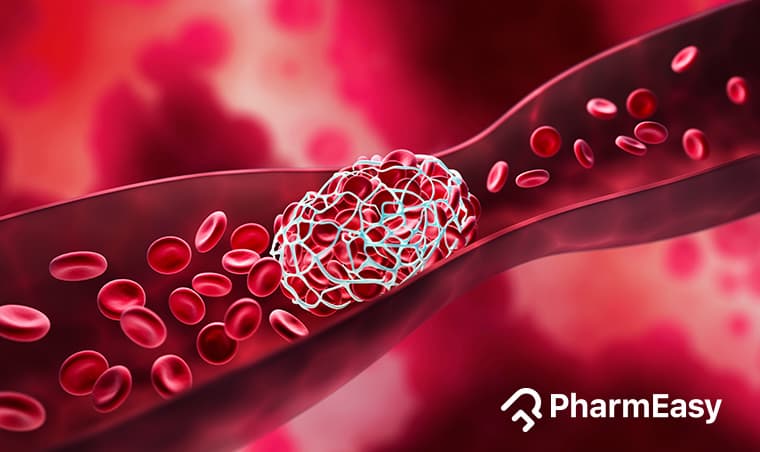
Vascular blockages, medically known as thrombosis, occur when the vascular fluid thickens and clumps together, obstructing flow. This can happen in veins (venous thrombosis) or arteries (arterial thrombosis). Deep Vein Thrombosis (DVT) and Pulmonary Embolism (PE) are the most common venous thromboembolism (VTE) events. India faces a significant burden of these conditions. A study published in The Lancet highlighted that VTE is an under-recognised public health problem in India, with incidence rates potentially comparable to Western countries, despite historical underdiagnosis.
Several factors contribute to blockage formation, many of which are prevalent in India. Prolonged immobility, such as long hours spent sitting at desks or during extensive travel (like Meena's bus journey), significantly increases danger. Obesity is another major concern; over 101 million Indians are estimated to have diabetes (ICMR, 2023), a issue often linked with obesity and increased clotting tendency.
Certain health conditions, including cancer and inflammatory diseases, also elevate possibility. On top of that,, genetic predispositions and certain medications can play a role.
Cultural practices, like sitting on the floor for extended periods during festivals or daily activities, can sometimes impede flow in the legs, especially for individuals with other possibility factors. The festive season, often marked by rich, heavy diets, might also indirectly contribute to weight gain and associated health issues.
What should you actually do to mitigate these risks in your daily life?
Home-Based Approaches to Support Vascular Blockage Prevention and Management
While a doctor's prescription is paramount, certain home-based strategies have been traditionally used or studied for their potential to support cardiovascular health and vascular flow. These are generally considered adjunctive therapies.
Remember, always discuss these with your healthcare provider before incorporating them, especially if you are on thinning medication, as some can interact or affect coagulation time.
Dietary Adjustments and Specific Foods
A balanced diet is fundamental for overall health and can play a role in managing conditions that contribute to vascular blockages. Focusing on whole foods and limiting processed items is key. Here's the thing — specific foods are believed to possess properties that might help thin the vascular fluid or improve flow.
That alone changes everything.
- Garlic: Traditionally revered in Indian cuisine, garlic contains ajoene and thiosulfinates, compounds that may have anticoagulant properties. Studies suggest garlic can inhibit platelet aggregation, a key step in blockage formation. Aim for 1-2 cloves daily, raw or lightly cooked.
- Turmeric: Curcumin, the active compound in turmeric, is a potent anti-inflammatory and antioxidant. Its anti-inflammatory effects can benefit vascular health. While direct evidence for blockage dissolution is limited, its role in reducing inflammation is well-documented by numerous studies, including those referenced by the WHO. Incorporate 1-2 teaspoons of turmeric powder into your daily cooking.
- Ginger: Similar to garlic, ginger contains salicylates, which are anti-coagulant compounds. It also possesses anti-inflammatory properties. Consuming ginger tea or adding fresh ginger to meals can be beneficial.
- Cayenne Pepper: This spice contains capsaicin, which may assist enhance flow and reduce vascular pressure. It's thought to strengthen arteries and benefit prevent blockage formation. A small amount can be added to dishes.
- Omega-3 Fatty Acids: Found in fatty fish like salmon and mackerel, as well as in flaxseeds and walnuts, Omega-3s are known for their anti-inflammatory and thinning effects. They can assist reduce the possibility of vascular blockages. Aim for at least two servings of fatty fish per week or a daily intake of ground flaxseeds.
- Dark Leafy Greens: Spinach, kale, and broccoli are rich in Vitamin K. While Vitamin K is essential for coagulation, moderate consumption as part of a balanced diet is fine. However, individuals on warfarin (a specific anticoagulant) need to maintain consistent Vitamin K intake, as advised by their doctor. The key is consistency, not avoidance.
- Beetroot: Rich in nitrates, beetroot helps produce nitric oxide in the body, which relaxes and widens blood vessels, improving vascular flow. This can be consumed as juice or cooked vegetable.
Herbal Remedies and Supplements
Beyond everyday foods, certain herbs have garnered attention for their potential benefits. In many cases, these are used in Ayurvedic medicine, a traditional Indian system of healing.
- Horse Chestnut Extract (Aesculus hippocastanum): Primarily used for varicose veins and chronic venous insufficiency, it's believed to boost venous tone and reduce inflammation, potentially aiding flow and reducing DVT likelihood. Look for standardized extracts.
- Ginkgo Biloba: Known for its potential to elevate vascular flow and act as an antioxidant. Some research suggests it may have mild thinning effects. However, it can interact with thinning agents, making consultation essential.
- Gotu Kola (Centella asiatica): Another herb used in Ayurveda, Gotu Kola is thought to optimise flow and strengthen vascular walls.
- Bromelain: An enzyme found in pineapple, bromelain has anti-inflammatory properties and may aid prevent vascular blockages. It's often taken as a supplement.
Lifestyle Modifications for likelihood Reduction
Lifestyle changes are arguably the most powerful 'home-based approach' for preventing vascular blockages. These are practical steps everyone can take.
- Regular Exercise: Physical activity is crucial for maintaining good vascular flow. Aim for at least 30 minutes of moderate-intensity exercise most days of the week. Activities like brisk walking, swimming, and cycling are excellent choices.
- Stay Hydrated: Dehydration can make the vascular fluid more prone to thickening. Drink plenty of water throughout the day, especially in hot Indian weather or during prolonged travel. Aim for 8-10 glasses daily.
- Avoid Prolonged Sitting or Standing: If your job requires long hours of sitting, take frequent breaks to walk around and stretch your legs. When standing for long periods, shift your weight and flex your calf muscles. Simple leg exercises can make a big difference.
- Maintain a Healthy Weight: Losing excess weight reduces pressure on your veins and lowers your chance of developing blockages and other cardiovascular issues.
- Quit Smoking: Smoking damages vascular linings and significantly increases the likelihood of blockage formation.
- Compression Stockings: For individuals at higher likelihood, especially those with jobs involving prolonged immobility or a history of venous issues, graduated compression stockings can support strengthen flow in the legs.
When Home-Based Strategies Aren't Enough: Seeking Medical assist
It is imperative to understand that home-based strategies, while potentially beneficial as supportive measures, cannot replace professional therapeutic care for diagnosed vascular blockages. If you experience symptoms such as sudden shortness of breath, chest pain, leg swelling and pain (especially in one leg), or coughing up blood, seek immediate medical attention.
These could be signs of a pulmonary embolism or DVT.
Institutions like the Indian Council of Medical Research (ICMR) and the World Health Organization (WHO) emphasize the importance of timely diagnosis and treatment. Delaying therapeutic care can have life-threatening consequences. Remember Meena’s story; her prompt visit to the doctor was crucial for her recovery.
Over 200,000 people experience a PE each year in the US alone, underscoring the seriousness of these conditions globally. While specific Indian data varies, the possibility is substantial.
Anticoagulant medications are often prescribed to prevent blockages from growing larger and to stop new ones from forming. In some cases, clot-busting drugs (thrombolytics) or surgical procedures might be necessary. These are decisions that must be made in consultation with a qualified health professional.
Key Takeaways
- Home-based strategies can support cardiovascular health but are not a substitute for therapeutic approach for diagnosed vascular blockages.
- Dietary choices like garlic, turmeric, ginger, and Omega-3 rich foods may offer benefits for flow.
- Lifestyle modifications, including regular exercise, hydration, and avoiding prolonged immobility, are crucial for prevention.
- Always consult a qualified physician before making any therapeutic decisions.