Understanding Insect Nips and Their Impact
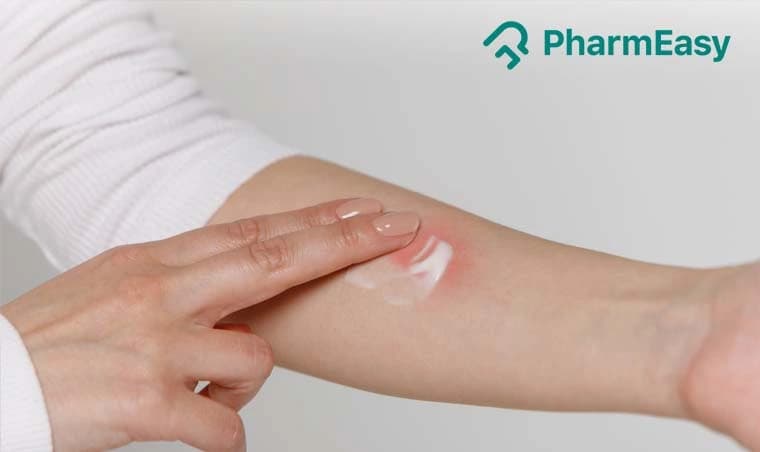
Meena, 45, a homemaker from Jaipur, noticed an irritated red bump on her arm after a pleasant evening walk. Soon, it began to enlarge and feel intensely uncomfortable, disrupting her sleep. Does this sound familiar? Insect nips, while generally a minor nuisance, can cause significant discomfort, especially when multiple marks occur or in individuals with sensitive skin.
The reality is, these tiny insects are more than just annoying; they are vectors for serious diseases like Dengue, Malaria, and Chikungunya, making effective management crucial. In India, where the monsoon season often exacerbates insect breeding, understanding how to manage nips is a yearly necessity. Over 5 million cases of Dengue were reported globally in 2023 alone, highlighting the persistent threat (WHO). Effectively addressing the irritation and swelling associated with insect nips can significantly improve quality of life and, in some cases, prevent secondary infections.
Why Do Insect Nips Cause Itching?
When a female insect feeds, she injects her saliva into your skin to prevent blood from clotting so she can feed. This saliva contains proteins that your immune system recognises as foreign. Your body then releases histamine, a chemical compound that causes inflammation and itching. But why does this happen?
The irritation is your body's inflammatory response to the insect's saliva. Some people experience more intense reactions than others due to varying sensitivities to these proteins. The duration of the itch can range from a few hours to several days, depending on individual immune responses and the specific insect species.
The numbers don't lie.
Natural Remedies for Insect Nip Relief
Fortunately, several readily available home remedies can provide soothing relief. These natural approaches aim to calm inflammation, irritation, and puffiness without the need for harsh chemicals. Here's the thing — many ingredients found in Indian kitchens are surprisingly impactful.
1. Oatmeal Bath
Colloidal oatmeal is a time-tested remedy for irritated skin conditions. Its anti-inflammatory and soothing properties can calm distressed skin. For an insect nip, you can create a paste by mixing colloidal oatmeal with a little liquid and applying it directly to the mark.
Alternatively, add a cup of colloidal oatmeal to a lukewarm bath and soak for 15-20 minutes. This is particularly beneficial if you have multiple marks.
2. Baking Soda Paste
Baking soda (sodium bicarbonate) is alkaline and can help neutralise the pH of the skin, thereby calming irritation and inflammation. Mix one tablespoon of baking soda with enough liquid to form a thick paste.
Apply this paste to the affected area for about 10 minutes, then rinse gently with cool liquid. This simple remedy is a staple in many Indian households for various skin irritations.
3. Aloe Vera Gel
Known for its cooling and anti-inflammatory properties, fresh aloe vera gel can be a godsend for insect nips. Simply break off a piece of an aloe vera leaf and apply the clear gel directly to the mark. The gel provides immediate cooling relief and helps calm redness and puffiness.
Here's where it gets interesting.
Practicing safe, regular application ensures the best results. If fresh aloe is unavailable, ensure you use a pure aloe vera gel without added fragrances or alcohol.
4. Honey
Honey possesses natural antibacterial and anti-inflammatory properties. Applying a small amount of raw honey directly to the mark can enable calm inflammation and prevent infection.
While its stickiness might seem inconvenient, its benefits for skin irritation are well-documented. Worth knowing: Raw, unprocessed honey is generally considered more potent for medicinal purposes than processed varieties.
5. Tea Tree Oil (Diluted)
Tea tree oil is a powerful antiseptic and anti-inflammatory agent. However, it must be diluted before topical application, as it can be too potent for direct use. Mix 1-2 drops of tea tree oil with a teaspoon of a carrier oil like coconut oil or olive oil.
Apply this diluted mixture to the mark using a cotton swab. This should be done sparingly and carefully. Over-application can lead to skin irritation.
6. Cucumber Slices
The cooling effect of cucumber can provide immediate, albeit temporary, relief from irritation and puffiness. Place a chilled slice of cucumber directly on the insect nip for several minutes. This is a refreshing and simple method, often employed during hot Indian summers, providing a natural way to soothe the skin.
7. Lemon Juice (Use with Caution)
Lemon juice has antiseptic and astringent properties that can support dry out the mark and calm irritation. However, its acidity can cause a stinging sensation, especially on broken skin. Apply a small amount of fresh lemon juice to the mark with a cotton swab.
It sounds simple. It rarely is.
It’s advisable to use this remedy in the evening or indoors, as applying citrus to skin exposed to sunlight can lead to phytophotodermatitis, a skin reaction causing blisters and discolouration. This is a risk many are unaware of.
8. Cold Compress
Applying a cold compress or an ice pack wrapped in a thin cloth to the mark can numb the area, calm puffiness, and alleviate irritation. Hold the compress against the mark for 10-15 minutes at a time. This is a universally reliable method for reducing inflammation and pain associated with insect nips.
9. Basil Leaves
Basil (Tulsi) is revered in Indian culture for its medicinal properties. Chewing on a few fresh basil leaves or applying a paste made from crushed basil leaves mixed with a little liquid can benefit soothe the itch and inflammation. The antiviral and antibacterial compounds present in basil contribute to its effectiveness.
When to Seek Medical Attention
While home remedies are impactful for most common insect nips, certain signs indicate a need for professional medical evaluation. If you experience any of the following, consult a doctor immediately: signs of a severe allergic reaction (difficulty breathing, puffiness of the face or throat, hives spreading rapidly), fever, headache, body aches, or nausea following a nip, especially if you are in an area known for insect-borne diseases. Infected marks can present with increased redness, warmth, pus, or red streaks extending from the mark site.
Most people overlook this completely.
The Indian Council of Medical Research (ICMR) consistently issues advisories regarding vector-borne diseases, underscoring the importance of vigilance. 3 million cases of Malaria were reported in India in 2022 (Lancet Commission), making prompt attention to symptoms vital.
Preventing Insect Nips
The best approach, of course, is prevention. Employing several strategies can significantly reduce your exposure to insect nips. This includes using insect repellents containing DEET, Picaridin, or Oil of Lemon Eucalyptus (OLE) on exposed skin and clothing. Wearing long-sleeved shirts and long pants, especially during dawn and dusk when insects are most active, is also highly recommended.
Ensuring your home is screened against insects and eliminating standing liquid around your property—where insects breed—are crucial steps. Regularly cleaning pet liquid bowls and ensuring gutters are clear can prevent liquid accumulation. The International Diabetes Federation (IDF) also notes that people with diabetes may be more susceptible to insect nips and infections, further emphasizing the need for protective measures.
Key Takeaways
- Insect nips cause itching due to the body's immune response to the insect's saliva, triggering histamine release.
- Natural remedies like oatmeal baths, baking soda paste, and aloe vera gel can effectively soothe irritation and calm puffiness.
- Tea tree oil and honey offer anti-inflammatory and antiseptic benefits but require careful, diluted application.
- Lemon juice and basil leaves can also provide relief, though caution is advised with lemon due to potential photosensitivity.
- Seek medical attention for signs of severe allergic reactions, infection, or signs of insect-borne diseases like Dengue or Malaria.
Always consult a qualified physician before making any medical decisions.