Illness Home Approaches: Plant-Based Comfort & Protection
Meena, 45, a homemaker from Jaipur, noticed a persistent fever and chills that wouldn't subside. After a few days, she suspected a mosquito-borne illness, a concern given the recent monsoon showers that often lead to increased insect breeding in her locality. Like many in India, Meena turned to traditional home approaches, hoping for a plant-based way to combat the sickness before seeking professional attention.
This ailment, a serious and sometimes fatal disease transmitted by the Anopheles mosquito, affects millions globally. While professional treatment is crucial, understanding plant-based approaches can provide supportive care and aid in recovery, especially in regions where access to healthcare might be challenging. Here's the thing — modern science is paramount, but ancient wisdom offers valuable adjuncts.
The World Health Organization (WHO) estimates that in 2022, there were 249 million cases of this mosquito-borne disease worldwide, resulting in an estimated 608,000 deaths. The African region bore 95% of these cases and 96% of deaths.
In India, while significant progress has been made, this parasitic infection remains a public health concern, with states like Odisha and Chhattisgarh reporting a higher burden. Over 101 million Indians have diabetes (ICMR, 2023), highlighting the nation's struggle with major well-being issues, and this parasitic illness adds to this burden.
It sounds simple. It rarely is.
Understanding the Parasitic Illness and Its Symptoms
This illness is caused by Plasmodium parasites, transmitted through the bite of infected female Anopheles mosquitoes. The parasites multiply in the liver and then infect red blood cells, leading to the characteristic manifestations.
Have you ever wondered why? The cyclical nature of fever, chills, and sweating is directly linked to the parasite's life cycle within the red blood cells.
Common signs:
- Fever
- Chills
- Headache
- Muscle aches
- Fatigue
- Nausea and vomiting
- Sweating
Severe forms of this parasitic infection can lead to anaemia, respiratory distress, cerebral involvement (affecting the brain), and organ failure. Prompt diagnosis and management, usually with prescribed drugs from a doctor, are essential.
However, certain plant-based approaches can help alleviate manifestations and support the body's fight against the infection.
Plant-Based Home Approaches for Illness Relief
For centuries, traditional Indian medicine has employed various plant-based ingredients to combat fevers and infections. These approaches often focus on boosting immunity, reducing fever, and alleviating discomfort.
Remember, these are supportive measures and should not replace professional approach. What most people miss: The synergistic effect of these approaches when used alongside prescribed medication.
1. Tulsi (Holy Basil)
Tulsi is revered in India not just for its religious significance but also for its potent therapeutic properties. Its leaves contain compounds like eugenol, camphor, and cineole, which have shown fever-reducing and anti-inflammatory effects.
This is where most patients struggle.
A study published in the *Journal of Ethnopharmacology* highlighted basil's potential against various pathogens.
How to use:
- Boil 5-7 fresh tulsi leaves in a cup of liquid. Let it simmer for 10-15 minutes. Strain and drink this infusion twice daily.
- Chewing a few fresh tulsi leaves in the morning on an empty stomach can also be beneficial.
- Tulsi leaves can be added to herbal teas for added benefits.
2. Neem (Indian Lilac)
Neem is another powerhouse of therapeutic compounds, widely used in Ayurvedic practices. Its bitter taste is indicative of its potent compounds like nimbin, nimbidin, and azadirachtin, which possess antimalarial, antibacterial, and antiviral properties. Research has explored neem's efficacy against Plasmodium parasites.
How to use:
- Drink neem juice extracted from fresh leaves daily. The bitterness can be managed by adding a little honey or lime juice.
- Boil neem bark in liquid, strain the decoction, and consume it regularly.
- Neem oil is for external use, but consuming neem leaves or its derivatives is the primary approach for internal benefits.
3. Fenugreek Seeds (Methi)
Fenugreek seeds have been used traditionally to manage fevers and improve overall well-being. They contain compounds that can enable reduce fever and ease discomfort. Their properties are well-documented in traditional texts and have been explored for various well-being benefits.
How to use:
- Soak a tablespoon of fenugreek seeds in liquid overnight. In the morning, strain the liquid and drink it.
- Boil fenugreek seeds in liquid to make a decoction, which can be consumed throughout the day.
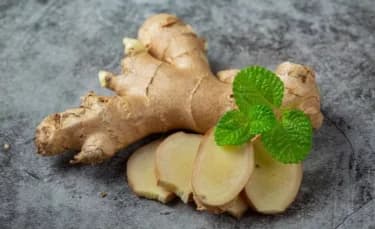
4. Ginger (Adrak)
Ginger is a widespread kitchen spice with remarkable therapeutic qualities. It possesses anti-inflammatory and antioxidant properties that can benefit alleviate warning signs like nausea and body aches. Its warming effect can also provide comfort during chills.
How to use:
- Make a tea by boiling fresh ginger slices in liquid. Add honey and lemon for taste and enhanced benefits.
- Chewing a small piece of raw ginger can enable with nausea.
5. Garlic (Lehsun)
Garlic is known for its strong antimicrobial and immune-boosting properties. Allicin, a key compound in garlic, is believed to have antimalarial potential and can aid the body fight off infections. Honestly, its pungent smell is a small price to pay for its well-being benefits.
The numbers don't lie.
How to use:
- Consume 2-3 cloves of raw garlic daily.
- Add crushed garlic to soups or other dishes.
6. Citrus Fruits (Lemon, Orange)
Rich in Vitamin C, citrus fruits are excellent for boosting the immune system. Vitamin C helps the body fight infections and aids in faster recovery. Their antioxidant properties also contribute to overall well-being.
How to use:
- Drink fresh lemon or orange juice mixed with liquid and a pinch of salt and sugar (like ORS) to stay hydrated and replenish electrolytes.
- Add lemon juice to warm liquid for a soothing drink.
7. Cinnamon (Dalchini)
Cinnamon has been used in traditional medicine for its warming properties and ability to reduce fever. It also possesses anti-inflammatory and antioxidant effects.
How to use:
- Boil a pinch of cinnamon powder with a teaspoon of honey in liquid and drink it.
- Add cinnamon to your herbal teas.
Preventing Insect-Borne Illness: Beyond Home Approaches
While plant-based approaches can support recovery, prevention is always better than cure. Given that this illness is mosquito-borne, controlling insect populations and protecting yourself from bites are paramount.
India, like many tropical nations, faces a constant battle against vector-borne diseases, especially during and after the monsoon season when liquid accumulates, providing ideal breeding grounds for insects. Simple measures can significantly reduce the risk.
Insect Control Measures:
- Eliminate stagnant liquid around your home. Regularly empty, clean, or cover liquid containers, coolers, and tyres.
- Use mosquito nets, especially while sleeping, to prevent bites.
- Install screens on windows and doors to keep insects out.
- Use insect repellents containing DEET, Picaridin, or IR3535 on exposed skin.
- Consider using mosquito coils or vaporizers indoors, ensuring proper ventilation.
Boosting Immunity Naturally:
A strong immune system is your best defense. Incorporating a balanced diet rich in fruits, vegetables, and whole grains is crucial. Staying hydrated by drinking plenty of liquid throughout the day is also vital.
It sounds simple. It rarely is.
Regular physical activity, adequate sleep, and stress management further contribute to a robust immune response. Consider practices like yoga, which is gaining global recognition, even being studied by institutions like AIIMS for its well-being benefits.
Worth knowing: The ICMR (Indian Council of Medical Research) continuously publishes guidelines and research on vector-borne diseases, including this parasitic illness, emphasizing integrated vector management and public well-being awareness.
When to Seek Professional aid
Plant-based approaches can provide symptomatic relief and support recovery, but they are not a substitute for professional medical care. If you suspect you have this illness, or if warning signs worsen despite home care, it is crucial to consult a doctor immediately. Early diagnosis and therapy by healthcare professionals, often involving blood tests to confirm the presence of the parasite and specific antimalarial drugs, can prevent severe complications.
For instance, a delay in therapy for Plasmodium falciparum malaria, the deadliest form, can be fatal. The Lancet has published numerous studies underscoring the urgency of timely intervention.
But why does this happen? In severe cases, the parasite load can increase exponentially, overwhelming the body's defenses and leading to organ damage. Prompt professional attention is key to managing this rapid progression. Even after recovery, follow-up with your doctor is advisable to ensure the infection is completely cleared.
That alone changes everything.
Key Takeaways
- Plant-based approaches like Tulsi, Neem, Ginger, and Garlic can offer supportive care for manifestations of this parasitic illness.
- Prevention through insect control (nets, repellents, eliminating stagnant liquid) is crucial.
- A strong immune system, supported by a balanced diet and healthy lifestyle, aids in fighting infections.
- Professional diagnosis and therapy from a qualified physician are essential for this parasitic illness, especially for severe forms.
- This parasitic illness remains a marked well-being issue in India, with millions affected annually (WHO estimates).
Always consult a qualified physician before making any well-being decisions.