Understanding Viral Fever: A Common Indian Affliction
Meena, 45, a homemaker from Jaipur, experienced a sudden rise in her body temperature, accompanied by aches and a persistent headache. She felt completely depleted, a sensation familiar during the monsoon months when such infections seem to spread through households across India. This scenario is quite typical.
Elevated body temperature, caused by a pathogen, affects millions in India annually. The body's natural defenses work against invading pathogens, and a higher temperature is one of its primary responses. Have you ever pondered why your body feels so warm when you are unwell?
The elevated temperature itself is not the ailment but rather a sign. Pathogens like influenza, dengue, chikungunya, and even the prevalent cold virus can provoke this bodily reaction. In many instances, these febrile responses are self-limiting, meaning they resolve naturally within a few days.
Nevertheless, the discomfort can be substantial, impacting daily routines and productivity. It is crucial to differentiate these febrile states from bacterial infections, which frequently necessitate medical intervention such as antibiotics. Symptoms can overlap, making initial assessment important.
That alone changes everything.
The Science Behind Elevated Body Temperature
When a pathogen enters the body, the natural defense mechanisms release specific chemicals known as pyrogens. These pyrogens travel to the hypothalamus, the brain's regulatory center for temperature, signaling it to increase the body's core heat. Why would the body intentionally raise its own temperature? A higher temperature can hinder the multiplication of certain pathogens, making it more difficult for them to thrive.
Consider it this way: the warmer environment is less conducive to the unwelcome invaders. On top of that,, increased heat can bolster the effectiveness of specific defense cells, expediting the body's protective response. This complex biological process, while uncomfortable, demonstrates our body's inherent resilience.
When to Seek Medical Attention
While home-based treatments can offer considerable relief for mild to moderate febrile episodes, recognizing when to seek professional help is vital. 4°C), warrants prompt medical assessment. Lingering signs lasting more than three days, intense head pain, a rigid neck, aversion to light, a skin eruption that does not blanch when pressed, difficulty breathing, or disorientation are all warning signs.
In India, access to healthcare varies, but identifying these critical indicators can prevent severe complications. Organizations like the World Health Organization (WHO) stress the importance of prompt diagnosis, especially for susceptible groups such as infants, the elderly, and individuals with ongoing health issues. The Indian Council of Medical Research (ICMR) also provides guidance on managing febrile conditions.
Most people overlook this completely.
Effective Home Remedies for Elevated Body Temperature
Before turning to medication, numerous well-established home remedies can provide significant comfort and support recovery. These natural methods focus on fluid intake, rest, and supplying the body with necessary nutrients to combat the infection.
Hydration: The Cornerstone of Recovery
Maintaining adequate fluid intake is paramount when managing an elevated temperature. Higher body heat increases fluid loss through perspiration, and becoming dehydrated can worsen indicators like exhaustion and lightheadedness. Aim for clear liquids throughout the day. Plain fluid is the best choice, but other beneficial options include:
- Lukewarm fluid with lemon and honey: This traditional remedy soothes a sore throat and provides vitamin C. The warmth can be comforting.
- Herbal Teas: Tulsi (holy basil) tea is highly regarded in Ayurveda for its therapeutic properties, including pathogen-fighting and defense-boosting effects. Ginger tea, with its anti-inflammatory characteristics, also offers relief. A study published in The Lancet indicated the potential advantages of ginger in managing inflammatory states.
- Coconut Fluid: Rich in electrolytes, it helps replenish lost salts and minerals.
- Fruit Juices (diluted): Opt for freshly squeezed juices diluted with fluid to reduce sugar concentration. Avoid commercially processed drinks.
- ORS (Oral Rehydration Solution): Particularly essential if experiencing vomiting or diarrhea, readily available at local pharmacies.
Worth knowing: Consuming approximately 8-10 glasses of liquids daily is a sensible goal for adults experiencing a heightened temperature.
Rest: Allowing the Body to Heal
Rest is not solely about feeling less fatigued; it is an active phase of recuperation. When your temperature is elevated, your body expends considerable energy fighting the infection. Exerting yourself physically diverts this energy away from the defense response.
Prioritizing sleep and avoiding demanding activities allows your natural defenses to operate at their best. This period of repose is vital for a quicker and more complete return to wellness. Consider it this way: you are providing your internal repair team with the necessary time and resources.
That's the part worth remembering.
Dietary Support: Nourishing Your Body
A light, easily digestible diet is most beneficial during a febrile episode. Heavy, greasy, or highly seasoned foods can be challenging for the body to process and may intensify discomfort. Concentrate on nutrient-dense foods that bolster the body's defenses.
- Soups and Broths: Clear vegetable soups or chicken broth offer hydration and essential nutrients.
- Khichdi: This simple rice and lentil preparation is a staple in Indian households for good reason – it is easily digested and nutritious.
- Steamed Vegetables: Provide vitamins and minerals without being burdensome on the digestive system.
- Yogurt: Probiotics in yogurt can support gut health, which is closely linked to the body's protective capabilities.
- Fruits: Easily digestible fruits like bananas, papaya, and ripe mangoes (in moderation) supply vitamins and energy.
In many instances, traditional Indian meals like dalia (broken wheat porridge) or poha (flattened rice) can be excellent choices when prepared simply.
Traditional Indian Remedies
India's rich heritage provides several traditional remedies that have been passed down through generations.
- Tulsi (Holy Basil): As previously mentioned, tulsi leaves boiled in fluid or added to tea are potent. Chewing a few fresh leaves can also be beneficial. Tulsi possesses pathogen-fighting and microbial-inhibiting properties, making it a popular selection.
- Ginger: A small piece of fresh ginger, chewed raw or steeped in hot fluid, can aid alleviate bodily aches and queasiness. Its warming qualities are particularly soothing.
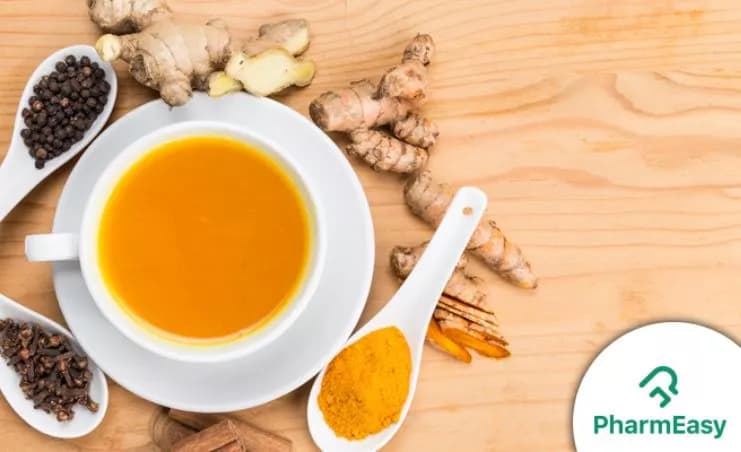
- Turmeric Milk (Haldi Doodh): Warm milk with a pinch of turmeric and black pepper is a classic remedy. Turmeric contains curcumin, a potent anti-inflammatory and antioxidant compound. This is especially helpful during colder periods or after recovering from illnesses that leave you feeling depleted.
- Fenugreek Seeds (Methi): Soaking fenugreek seeds overnight and consuming the fluid in the morning is believed to aid reduce temperature.
- Neem: While frequently used topically, neem leaves (boiled and cooled fluid used for sponging) or even a small quantity of neem juice are recognized for their potent pathogen-fighting and bacteria-inhibiting qualities. However, neem has a very bitter taste and should be used with caution.
Remember that while these remedies are generally safe, individual responses can differ. It is also marked to consider the cultural context; many Indian families depend on these natural approaches during festivals, understanding their gentle effectiveness.
Managing Discomfort: Symptomatic Relief
Beyond addressing the underlying cause, managing the discomfort of an elevated temperature is essential.
- Lukewarm Sponging: This traditional method involves gently sponging the body with lukewarm fluid. Avoid cold fluid, as it can induce shivering, which paradoxically increases body heat. Sponging aids the body in dissipating heat.
- Light Clothing: Wear lightweight, breathable cotton garments. Avoid heavy blankets unless you are experiencing chills.
- Comfortable Environment: Keep the room well-ventilated but free from drafts. Maintain a pleasant ambient temperature.
But why does this occur? The body's cooling mechanisms, such as perspiration, become more active during a fever. Lukewarm sponging supports this natural process, assisting in heat dissipation without causing undue strain.
Boosting Defenses for Long-Term Health
Preventing future febrile episodes involves fortifying your natural defenses. A strong set of defenses is better equipped to combat infections before they establish themselves.
According to the International Diabetes Federation (IDF), lifestyle factors significantly influence overall health and defense capabilities, often correlating with other chronic conditions.
- Balanced Diet: Ensure your diet is rich in fruits, vegetables, whole grains, and lean proteins.
- Regular Exercise: Moderate physical activity enhances circulation and defense function.
- Adequate Sleep: Aim for 7-8 hours of quality sleep each night.
- Stress Management: Chronic stress weakens the natural defense mechanisms. Practices like yoga, meditation, or spending time outdoors can support.
- Vaccinations: Stay current with recommended immunizations, such as the annual flu vaccine, which can prevent many frequent pathogen-related illnesses.
A robust defense mechanism is your best protection. Investing in healthy habits today yields benefits in reduced illness tomorrow. Over 101 million Indians have diabetes (ICMR, 2023), underscoring the pervasive impact of lifestyle-related diseases, which often accompany weakened natural defenses.
The numbers don't lie.
Key Takeaways
- Hydration is critical; prioritize plain fluid, herbal teas, and ORS.
- Sufficient rest allows the body to concentrate energy on combating the infection.
- A light, nutrient-rich diet supports recovery without burdening digestion.
- Traditional Indian remedies like Tulsi and turmeric milk offer natural advantages.
- Seek medical advice for significantly elevated temperatures or persistent, severe indicators.
Always consult a qualified physician before making any medical decisions.