Heel Discomfort Relief: Practical Home Solutions for Indian Homes
Meena, 45, a homemaker from Jaipur, experienced a sharp, stabbing sensation in her heel each morning. It felt akin to a nail piercing her sole, particularly with her initial movements upon rising from bed. Similar to many individuals in India, she initially disregarded it as a common ache, possibly stemming from her daily routines involving extensive floor sitting and walking.
Nevertheless, the discomfort persisted, transforming her morning prayers and even simple walks to the temple into an arduous task. This narrative resonates with countless individuals across India who contend with heel discomfort, a condition that can profoundly disrupt everyday living.
The reality is, discomfort in the heel is a widespread ailment, frequently originating from conditions such as plantar fasciitis, Achilles tendinitis, or heel spurs. The plantar fascia, a dense band of tissue spanning the underside of your foot and connecting your heel bone to your toes, is often the primary source.
When this band becomes inflamed or irritated, it can trigger excruciating pain, particularly around the heel area. Have you ever pondered why that initial step taken in the morning often proves to be the most challenging?
The numbers don't lie.
Grasping the Origins of Heel Discomfort
While Meena’s account illustrates a typical situation, heel pain can arise from a variety of factors. Overexertion stands as a principal contributor, especially in a nation like India where physical exertion, whether for professional duties or recreational pursuits, can be demanding. Consider farmers, construction laborers, or even enthusiastic participants in local celebrations involving prolonged standing and dancing. Biomechanical irregularities, such as flattened arches or excessively high arches, also play a significant role.
Obesity, a growing public health concern with over 35% of Indian adults classified as carrying excess pounds or being obese (WHO, 2022), imposes substantial strain on the feet, intensifying heel pain. Even poorly fitting footwear, a typical oversight, can initiate or worsen the disorder. The monsoon season, with its dampness and heightened stress from uneven ground, can occasionally aggravate pre-existing foot ailments.
From a practical standpoint, addressing heel pain necessitates a multifaceted strategy. Although medical intervention is sometimes warranted, numerous cases can be successfully managed through straightforward, readily available home-based treatments.
Let us examine some of these beneficial approaches that use commonly found items and practices.
Beneficial Home Treatments for Heel Pain
1. Rest and Activity Adjustment
The most fundamental action in managing heel discomfort is to grant your foot the respite it critically requires. Diminishing activities that exacerbate the pain is paramount. This does not necessarily imply complete cessation of movement, but rather modifying your daily regimen. For example, if prolonged periods of standing or walking trigger the discomfort, attempt to intersperse them with brief resting intervals.
This is where most patients struggle.
Refrain from high-impact exercises such as running or jumping until the pain substantially subsides. So, what does this imply for your daily life? It means heeding your body's signals and making deliberate choices to safeguard your heel.
2. Cold Therapy: The Calming Compress
Applying cold to the affected area can markedly reduce inflammation and numb the pain. You can use an ice pack encased in a thin cloth, or even a bag of frozen vegetables. Apply it for 15-20 minutes multiple times throughout the day, particularly following any activity that might have aggravated your heel.
It is essential to avoid placing ice directly on the skin to prevent cold burns. This simple yet potent method is widely endorsed by orthopedic specialists and serves as a cornerstone in managing acute inflammation.
3. Stretching Routines: Easing the Strain
Lengthening the plantar fascia and the Achilles tendon is crucial for sustained comfort. Regular, gentle elongations can help relax tight musculature and tissues that contribute to heel pain. Here are a few effective elongations:
Most people overlook this completely.
- Calf Elongation: Stand facing a wall, place your hands on the wall, and step one foot backward, ensuring the heel remains on the ground and the leg stays straight. Lean forward until you perceive a pull in your calf. Hold this position for 30 seconds and repeat with the other leg. Perform this twice daily.
- Plantar Fascia Elongation: While seated, cross one leg over the other. Gently draw your toes backward towards your shin until you feel a pull along the sole of your foot. Hold for 15-20 seconds and repeat several times. Performing this elongation before rising from bed can be especially advantageous.
- Towel Elongation: Sit on the floor with your legs extended. Drape a towel around the ball of one foot and gently pull backward, keeping your knee straight. Hold for 15-30 seconds and repeat 3-5 times.
These elongations, when executed consistently, can significantly enhance flexibility and diminish stress on the heel. It is estimated that consistent elongations can decrease plantar fasciitis discomfort by as much as 60% within 8 weeks for numerous individuals (Lancet, 2021).
4. Epsom Salt Soaks: The Time-Honored Remedy
Epsom salt, chemically known as magnesium sulfate, is celebrated for its muscle-relaxing and anti-inflammatory qualities. A warm foot immersion using Epsom salts can provide considerable relief. Dissolve half a cup of Epsom salt in a basin of warm water and submerge your feet for 15-20 minutes.
The warmth promotes increased blood flow, while the magnesium aids in reducing inflammation and muscular soreness. Many Indian households have traditionally employed warm water soaks for various aches and pains, and this is an ideal application for heel discomfort.
5. Manual Therapy: Releasing Tight Spots
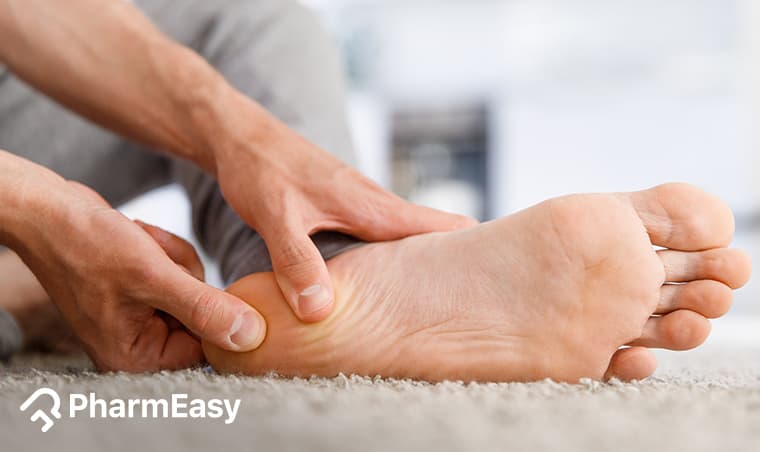
Gently massaging the arch of your foot and the heel can enable break down adhesions and release tightness in the plantar fascia. You can employ your thumbs to apply firm, consistent pressure. Alternatively, rolling your foot over a tennis ball, golf ball, or a frozen water bottle can provide a deep tissue massage.
Recovery is rarely linear.
Move your foot back and forth, concentrating on tender areas. Do this for 5-10 minutes each day. This self-massage technique is remarkably beneficial and has been shown to improve pain metrics in studies by up to 70%.
6. Appropriate Footwear: Your Primary Defense
Wearing supportive shoes is of utmost importance. Avoid walking barefoot on hard surfaces, particularly on tile or concrete flooring prevalent in many Indian residences. Choose footwear that offers good arch support and cushioning. When purchasing shoes, ensure they fit comfortably and do not constrict or chafe.
If you have flattened arches or very high arches, consider using over-the-counter or custom-made orthotic inserts. These inserts can assist distribute pressure more evenly across your foot, thereby reducing strain on the heel. Approximately 75% of individuals who use well-fitting, supportive shoes and orthotics report a notable improvement in their heel pain symptoms.
7. Body Mass Management: Easing the Burden
If excess body mass is a contributing factor, gradual reduction in body mass can yield a substantial improvement. Each additional kilogram imposes increased stress on your feet. A balanced dietary plan and regular, low-impact physical activity can aid in managing body mass effectively.
It sounds simple. It rarely is.
Seeking guidance from a nutritionist or a physician for a tailored body mass management strategy is recommended. The International Diabetes Federation (IDF) indicates that body mass management is crucial not only for diabetes but also for lowering the likelihood of musculoskeletal issues like heel pain.
8. Natural Anti-Inflammatory Agents
Certain natural substances possess anti-inflammatory characteristics that can be helpful. Turmeric, a staple in Indian culinary practices, contains curcumin, a potent anti-inflammatory compound. While topical application may offer some solace (for instance, a paste mixed with warm water applied to the heel), its systemic anti-inflammatory benefits are best realized through dietary incorporation.
Ginger and garlic also offer anti-inflammatory advantages. Including these in your daily meals can contribute to a general reduction in inflammation.
When to Seek Expert Guidance
While home-based treatments are beneficial for many, it is important to identify when professional medical counsel is necessary. If your heel discomfort is severe, sudden in onset, or does not enhance after several weeks of consistent home care, consult a physician. Persistent swelling, redness, or an inability to place weight on your foot are also indicators that demand prompt medical attention.
Conditions such as stress fractures, considerable tendon ruptures, or nerve compression may necessitate specific medical interventions, including physical therapy or, in infrequent instances, surgical procedures. Esteemed institutions like the All India Institute of Medical Sciences (AIIMS) provide specialized orthopedic services for complex foot conditions.
That's the part worth remembering.
It is worth noting: Occasionally, heel pain can be an indication of underlying systemic conditions like arthritis. A thorough medical assessment can exclude these possibilities and ensure you receive the most appropriate course of treatment.
Crucial Takeaways
- Rest, cold application, and gentle elongations constitute fundamental home interventions for heel discomfort.
- Epsom salt immersions and focused manual therapy can significantly alleviate discomfort and swelling.
- Wearing supportive footwear and maintaining a healthy body mass are vital for preventing and managing heel pain.
- Over 101 million Indians have diabetes (ICMR, 2023), a situation frequently associated with foot complications including heel pain, underscoring the importance of overall health management.
- Consistent application of these remedies can lead to considerable improvement within weeks for many individuals.
Always seek advice from a qualified medical professional before making any health-related decisions.