Natural Approaches for Gallbladder Issues: Relief & Prevention in India
Meena, 45, a homemaker from Jaipur, experienced a sharp, unbearable pain in her upper right abdomen following a particularly indulgent Diwali feast. The discomfort spread to her back and shoulder, accompanied by nausea.
This wasn't entirely new, but this episode was severe enough to prompt a doctor's visit, where she received a diagnosis of gallstones. Millions in India encounter similar situations annually, searching for effective ways to manage this painful ailment.
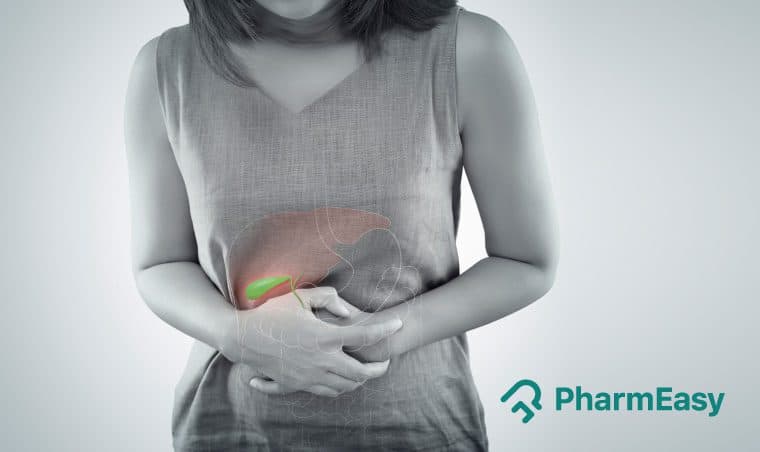
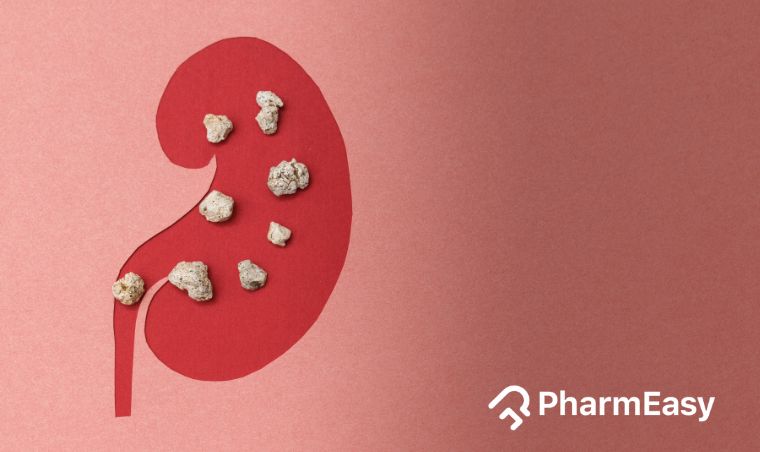
The gallbladder, a small organ situated beneath the liver, is vital for digestion, storing bile. When bile's components—primarily cholesterol and bilirubin—harden, they can form solid deposits known as gallstones.
These deposits can vary in size, from a grain of sand to a golf ball. Honestly, the distress they cause can significantly disrupt daily life, especially for individuals who appreciate the rich, celebratory foods typical of Indian cuisine.
Recovery is rarely linear.
Understanding Gallstones: Causes and Contributing Factors
But what leads to this condition? Several elements contribute to gallstone development. Obesity is a substantial risk factor, as excess weight can elevate cholesterol levels in bile.
Swift weight reduction, often attempted after festive periods, can also instigate their formation. Women generally face a higher chance than men, particularly those who have had multiple pregnancies or are undergoing hormone replacement therapy. Age is another consideration; the likelihood increases after 40.
Heredity also plays a part, with a family history of gallstones heightening your vulnerability. Certain health issues, such as diabetes (affecting over 101 million Indians, per ICMR, 2023) and liver ailments, are linked to a greater occurrence.
The standard Indian diet, frequently abundant in fats and refined carbohydrates, and deficient in fiber, can amplify these risks. Consider it this way: a sedentary lifestyle further complicates the issue by not aiding bile movement.
When to Seek Professional Care
While home treatments can offer comfort and support, it's essential to recognize when expert health assistance is absolutely necessary. Persistent or severe abdominal pain, jaundice (yellowing of the skin and eyes), fever, chills, and pale stools are all indicators demanding immediate professional attention.
Here's where it gets interesting.
These signs might suggest a blocked bile duct or a more serious complication like cholecystitis (gallbladder inflammation), which can be life-threatening if left unaddressed.
The truth is, gallstones can lead to serious health consequences, including infection and pancreatitis. Therefore, attempting to manage severe symptoms independently without consulting a healthcare provider is unwise.
Prompt diagnosis by a doctor, often through an ultrasound, is crucial for determining the best course of action, which might involve medication or surgical intervention (cholecystectomy).
Exploring Natural Approaches for Gallbladder Issues
For those experiencing mild discomfort or seeking complementary methods alongside medical guidance, various home treatments have been traditionally employed in India. These aim to soothe pain, encourage bile flow, and potentially assist in breaking down or passing smaller deposits.
Worth knowing: these approaches are not a replacement for professional treatment, particularly for large or symptomatic stones.
1. Apple Cider Vinegar (ACV)
Many individuals find relief by combining two tablespoons of organic ACV with a glass of warm water and consuming it first thing in the morning. The acidity is thought to help soften gallstones and ease discomfort. Some personal accounts suggest it can aid in dissolving deposits over time, though strong scientific validation is scarce.
2. Lemon Juice
Freshly squeezed lemon juice, perhaps diluted with warm water, is another favoured method. The abundant vitamin C and citric acid in lemons are believed to assist in breaking down cholesterol and preventing deposit formation. Consuming a glass of lemon water daily may support overall liver and gallbladder well-being.
That alone changes everything.
3. Herbal Infusions (Peppermint, Dandelion)
Peppermint infusion can benefit relax the muscles of the bile ducts, potentially easing pain and facilitating the passage of deposits. Dandelion root infusion, conversely, is thought to stimulate bile production and enhance liver function. Both are easily accessible and simple to integrate into your daily regimen.
4. Ayurvedic Practices
Ayurveda, India's ancient healing system, offers several natural aids. Triphala, a blend of three dried fruits, is often used to improve digestion and cleanse the body. Shilajit, a mineral-rich substance, is also sometimes suggested. However, Ayurvedic care should always be overseen by a qualified practitioner.
5. Dietary Adjustments for Gallstone Management
Nutrition plays a vital role. Increasing your intake of fiber-rich items like whole grains, fruits, and vegetables is essential. Healthy fats, such as those present in avocados, nuts, and olive oil, should be consumed sparingly.
Eliminating processed items, excessive red meat, and refined sugars is paramount. The WHO advises a diet rich in fruits and vegetables for general health, which indirectly benefits gallbladder function.
Recovery is rarely linear.
Consider incorporating more bitter greens like fenugreek (methi) or bitter gourd (karela), which are thought to stimulate bile flow. Many Indian households traditionally prepare dishes with these vegetables, often during specific periods or celebrations, reflecting their perceived health advantages.
6. Staying Hydrated is Crucial
Drinking ample water throughout the day is indispensable. Sufficient hydration helps thin the bile, making deposit formation less likely and their passage easier. Aim for at least 8-10 glasses of water daily. Warm water with a touch of lemon or a teaspoon of honey can be particularly soothing.
6. Avoiding Triggers
Identifying and steering clear of items that provoke gallbladder flare-ups is vital. For many, this includes fried and greasy items, highly spiced dishes, and large servings. Pay close attention to your body's responses after eating. If you find certain items consistently cause discomfort, it's wise to reduce or eliminate them.
The Impact of Physical Activity
Consistent physical activity can contribute to maintaining a healthy weight and improving overall digestive efficiency. Even moderate exertion, such as a brisk walk for 30 minutes most days of the week, can yield positive results.
Here's where it gets interesting.
For individuals accustomed to sitting on the floor, a common practice in Indian homes, incorporating gentle stretches or yoga can also be beneficial for core strength and digestion.
What the Evidence Suggests
While personal accounts and traditional usage are plentiful, scientific investigation specifically into home remedies for gallstones is somewhat limited. A study featured in The Lancet underscored the effectiveness of lifestyle adjustments, including diet and exercise, in preventing gallstone formation.
Research from the IDF (International Diabetes Federation) also highlights the connection between metabolic well-being and gallstone disease, emphasizing the importance of managing conditions like diabetes. More thorough clinical trials are needed to confirm the effectiveness of specific home remedies like ACV or lemon juice in dissolving existing deposits.
Key Considerations
- Gallstones form when bile components solidify, often due to high cholesterol or rapid weight loss.
- likelihood factors include obesity, being female, age over 40, genetics, and certain health issues like diabetes.
- While home remedies like ACV, lemon juice, and herbal infusions may offer comfort, they are not a substitute for professional diagnosis and therapy.
- Nutritional adjustments focusing on fiber, healthy fats, and avoiding triggers are essential for management and prevention.
- Maintaining a healthy weight through diet and regular physical activity is key to reducing gallstone possibility.
Always consult a qualified physician before making any health-related decisions.