Effective Home Remedies for Anal Tears: Finding Comfort and Recovery
Meena, 45, a homemaker from Jaipur, experienced a sharp, searing discomfort during her digestive evacuations, followed by bright red blood on the toilet paper. Initially dismissing it as a minor issue, the discomfort persisted, impacting her daily life and causing significant anxiety. Her doctor diagnosed an anal tear, a common yet painful condition. The reality is, many Indians suffer from anal tears, often due to lifestyle and dietary habits exacerbated by the stresses of modern life. This disorder, a small tear or cut in the lining of the anal canal, can be excruciating.
But why does this happen? Constipation is the primary culprit, leading to hard, difficult-to-pass stools that can tear the delicate anal tissue. Other factors include chronic diarrhoea, childbirth, and even strenuous physical activity. Honestly, the discomfort can be so severe that it makes one dread using the restroom.
Understanding Anal Tears: Causes and Symptoms
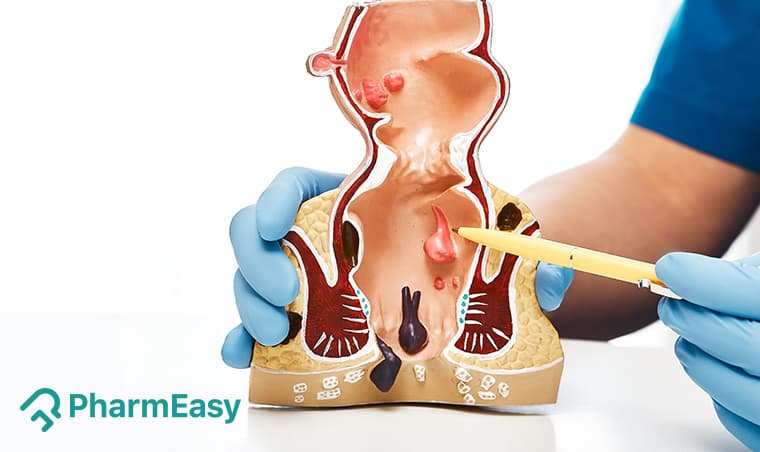
An anal tear is essentially a crack in the skin of the anus. This tear can extend a little way into the anal canal. The intense pain experienced during digestive evacuations is the hallmark symptom. Frequently, this pain is sharp and can last for several minutes to hours after passing stool.
Bleeding, typically bright red and seen on toilet paper or in the bowl, is another frequent sign. Some individuals might also experience itching, irritation, or a small lump or skin tag near the tear. Practically speaking, these warning signs can significantly affect one's quality of life, leading to avoidance of digestive evacuations and further worsening constipation.
It sounds simple. It rarely is.
usual Causes of Anal Tears:
- Constipation: This is the most frequent cause. Passing large, hard stools stretches the anal canal, causing tears. Over 101 million Indians have diabetes (ICMR, 2023), and diabetes can sometimes contribute to digestive issues, indirectly increasing tear risk.
- Chronic Diarrhoea: Frequent, loose stools can also irritate and damage the anal lining.
- Childbirth: The strain of delivery can sometimes lead to anal tears.
- Low Fibre Intake: A diet lacking in dietary bulk leads to harder stools.
- Dehydration: Insufficient fluid intake contributes to constipation.
- Anal Intercourse: This can cause trauma to the anal tissues.
- Underlying Medical Conditions: Conditions like Crohn's disease or inflammatory bowel disease (IBD) can increase susceptibility.
So what does that mean for you? It means understanding the root cause is the first step towards impactful management and prevention.
reliable Home Remedies for Anal Tear Relief
While medical intervention is sometimes necessary, many anal tears can recover with consistent home care. The goal is to soften stools, reduce strain, and promote recovery. Here’s how you can find relief:
1. Dietary Modifications: The Cornerstone of Recovery
Your diet plays a pivotal role. Increasing dietary bulk intake is paramount. Aim for 25-30 grams of dietary bulk daily. Foods rich in soluble and insoluble dietary bulk help create softer, bulkier stools that pass more easily, minimising further tearing. Consider incorporating more:
- Fruits: Berries, apples (with skin), pears, and prunes are excellent choices.
- Vegetables: Leafy greens like spinach and fenugreek (methi), broccoli, carrots, and sweet potatoes are beneficial. Think about the traditional Indian practice of eating greens during the monsoon season – these are often dietary bulk powerhouses.
- Whole Grains: Oats, barley, brown rice, and whole wheat bread should replace refined grains.
- Legumes: Lentils (dal), beans, and chickpeas are fantastic sources of dietary bulk.
- Nuts and Seeds: Almonds, walnuts, chia seeds, and flaxseeds add dietary bulk and healthy fats.
Equally important is adequate hydration. Drink at least 8-10 glasses of water daily. This helps dietary bulk do its job effectively. Avoid processed foods, excessive red meat, dairy products, and fried foods, as these can contribute to constipation.
2. The Power of Sitz Baths
A sitz bath involves sitting in a few inches of warm water for 15-20 minutes, 2-3 times a day, especially after digestive evacuations. The warmth increases blood flow to the area, promoting recovery and relaxing the anal sphincter muscle, which frequently goes into spasm during a tear, increasing pain. You can use a shallow tub or a specialised sitz bath basin that fits over your toilet seat.
Most people overlook this completely.
Adding Epsom salts can sometimes provide additional relief, though plain warm water is often sufficient. The reality is, this simple yet ancient practice offers meaningful comfort.
3. Maintaining Anal Hygiene
Gentle cleaning is crucial. After a digestive evacuation, use plain water or unscented, moist toilet wipes instead of dry toilet paper. Pat the area dry gently with a soft cloth. Avoid harsh soaps or scrubbing, which can irritate the tear. Keeping the area clean prevents infection and aids recovery.
4. Stool Softeners and Gentle Laxatives
If dietary changes aren't enough, over-the-counter stool softeners (like docusate sodium) can be very helpful. They work by drawing water into the stool, making it softer and easier to pass. Gentle, stimulant-free laxatives may also be recommended by your doctor.
Avoid harsh stimulant laxatives, as they can cause cramping and worsen the situation. The International Diabetes Federation (IDF) notes that digestive regularity is crucial for overall health, and this extends to tear management.
5. Topical Treatments (with Caution)
Some over-the-counter creams and ointments can provide temporary relief from pain and itching. These often contain ingredients like witch hazel or hydrocortisone. However, it's vital to use these cautiously and as directed.
The numbers don't lie.
Long-term use of steroid creams can thin the skin and hinder recovery. Honestly, it's best to discuss these with your healthcare provider.
6. Lifestyle Adjustments for Long-Term Health
Regular, gentle exercise can promote digestive regularity. Activities like walking or yoga are beneficial. Avoid prolonged sitting or standing, as this can increase pressure in the rectal area.
When you need to sit for extended periods, take breaks to move around. Perhaps you're accustomed to sitting on the floor for extended periods during festivals or family gatherings; remember to shift positions frequently.
When to Seek Medical Attention
While home remedies are powerful for many, some tears may not recover on their own or could indicate a more serious underlying issue. You should consult a doctor if:
- The pain is severe and unmanageable.
- Bleeding is considerable or persistent.
- signs do not improve after 4-6 weeks of consistent home care.
- You experience fever or chills, which could indicate an infection.
- There are changes in digestive habits that persist.
In some cases, a doctor might prescribe stronger medications or suggest surgical options like a lateral internal sphincterotomy (LIS), a procedure where a small part of the anal sphincter muscle is cut to relieve pressure and allow the tear to recover. Studies published in The Lancet have shown high success rates for LIS in chronic cases.
Preventing Anal Tears: A Proactive Approach
Prevention is always better than cure. By adopting healthy habits, you can significantly reduce your chance:
- Maintain a High-Fibre Diet: As discussed, this is crucial for soft stools.
- Stay Hydrated: Drink plenty of water throughout the day.
- Avoid Straining: Don't force digestive evacuations. Go when you feel the urge.
- Regular Exercise: Keep your digestive system moving.
- Practice Good Anal Hygiene: Gentle cleaning is key.
- Manage Chronic Conditions: Work with your doctor to manage conditions like diabetes or IBD that can affect digestive health. The World Health Organization (WHO) consistently advocates for lifestyle changes to prevent chronic diseases.
Practically speaking, incorporating these preventive measures into your daily routine can lead to better digestive health overall and significantly lower the chances of developing an anal tear.
Key Takeaways
- Anal tears are painful tears in the anal lining, often caused by constipation.
- Increasing dietary bulk (25-30g daily) and staying well-hydrated are crucial for recovery and prevention.
- Sitz baths (warm water soaks) provide major pain relief and promote recovery.
- Gentle hygiene and avoiding straining during digestive evacuations are essential.
- Consult a doctor if manifestations are severe, persistent, or worsen despite home care.
Always consult a qualified physician before making any medical decisions.