8 Best Home Remedies for Piles: Finding Soothing Relief Naturally
Meena, 45, a homemaker from Jaipur, noticed a persistent, uncomfortable itching and occasional bleeding after her daily elimination. Initially dismissing it as a minor issue, the discomfort grew, impacting her daily routine, especially during long hours spent sitting while managing household chores.
She, like millions of Indians, was experiencing the distress of piles, also known as hemorrhoids. Affecting an estimated 4 out of 5 adults at some point in their lives, piles can range from mildly irritating to severely painful, often accompanied by bleeding and itching.
Understanding the condition and exploring effective home solutions is crucial. Fortunately, several natural approaches can provide significant relief and aid healing. Many of these solutions are readily available in Indian kitchens and align with traditional wisdom, making them accessible and culturally relevant.
Understanding Piles: Causes and Symptoms
Piles occur when the veins in the lower rectum and anus become swollen and inflamed. The primary culprits often include prolonged straining during bowel movements, chronic constipation or diarrhoea, obesity, pregnancy, and even prolonged sitting or standing.
Here's where it gets interesting.
Have you ever wondered why certain lifestyle habits exacerbate this problem? The pressure on these delicate veins builds up, leading to the formation of hemorrhoids.
warning signs can vary but commonly include:
- Itching or irritation in the anal region.
- A palpable lump or swelling near the anus.
- Pain or discomfort, especially during elimination.
- Bleeding during elimination (bright red blood).
In India, where sitting on the floor (a common practice during festivals or in traditional settings) can sometimes put added pressure on the anal region, understanding these natural treatments becomes even more pertinent. What should you actually do if you experience these signs?
Early intervention with home care can prevent the disorder from worsening.
Top 8 Home Remedies for Piles
1. Sitz Baths for Soothing Comfort
One of the most proven and widely recommended home solutions is the sitz bath. This involves sitting in a shallow tub of warm liquid for about 15-20 minutes, two to three times a day, especially after bowel movements.
The warm liquid helps to clean the anal area, reduce swelling, and ease spasms of the anal sphincter. Many Indian households can easily adapt this by using a large tub or a specialized sitz bath basin that fits over a toilet seat.
Practically speaking, adding a few drops of Epsom salt can enhance the therapeutic effect, although plain warm liquid is often sufficient. This simple yet powerful approach helps improve blood flow to the area, promoting healing. Studies have shown its efficacy in post-operative anal pain management, highlighting its comforting capabilities.
The numbers don't lie.
2. Increase Fibre Intake for Smoother Elimination
Constipation is a major contributor to piles. Increasing your dietary fibre intake is paramount. Aim for 25-30 grams of fibre per day.
Include plenty of fruits (like apples, pears, and berries), vegetables (spinach, broccoli, carrots), whole grains (oats, brown rice, whole wheat), and legumes (dal, beans) in your diet. Indian cuisine, rich in dals and vegetables, can be easily adapted to boost fibre content.
For instance, swapping white rice for brown rice or incorporating a bowl of mixed vegetable salad with your meals can make a marked difference. The World Health Organization (WHO) recommends a high-fibre diet for preventing and managing various gastrointestinal issues, including constipation that leads to piles.
Over 101 million Indians have diabetes (ICMR, 2023), and a high-fibre diet is also beneficial for managing blood sugar levels, making it a dual-action approach.
3. Stay Hydrated: Drink Plenty of Fluids
Alongside fibre, adequate hydration is critical for soft stools. Fluid helps the fibre do its job effectively, preventing constipation and reducing straining. Aim for at least 8-10 glasses of fluid daily.
During the monsoon season in India, when fluid intake might naturally decrease due to cooler temperatures, consciously making an effort to drink enough is important. Herbal teas and clear broths also contribute to your daily fluid intake.
Here's where it gets interesting.
Dehydration can quickly lead to harder stools, exacerbating the pressure on hemorrhoidal veins. A well-hydrated system ensures smoother passage of stool, minimizing distress and irritation.
4. Aloe Vera for Anti-Inflammatory Benefits
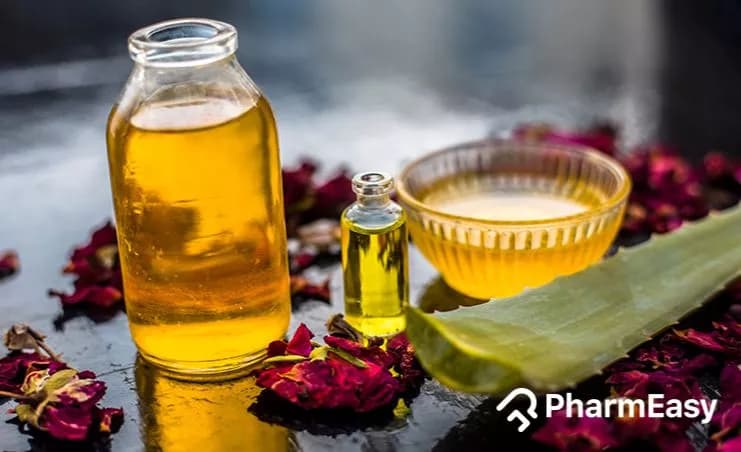
Aloe vera possesses potent anti-inflammatory and soothing properties. Applying pure aloe vera gel directly to the affected area can help reduce itching, irritation, and swelling.
Ensure you use 100% pure aloe vera gel, free from additives and fragrances, which can irritate sensitive skin. You can extract the gel directly from a fresh aloe vera leaf, a typical sight in many Indian households.
The cooling sensation of aloe vera provides immediate relief from the burning and itching associated with piles. Its healing compounds can also aid in the repair of damaged tissues.
While topical application is widespread, some research suggests potential benefits from oral consumption, though this should be approached with caution and medical guidance.
5. Coconut Oil: A Natural Lubricant and Soother
Coconut oil is another natural approach known for its moisturizing and anti-inflammatory properties. Its lauric acid content contributes to its soothing effects.
Applying a small amount of virgin coconut oil to the external anal area can assist lubricate the skin, reduce friction, and alleviate distress. It can also be beneficial in reducing itching and inflammation.
Worth knowing: For internal piles, some individuals find relief by using a small, clean applicator to apply a tiny amount of coconut oil, but this should be done with extreme care and hygiene to avoid infection. Its natural antibacterial properties can also be a plus.
6. Witch Hazel for Astringent Properties
Witch hazel is a plant extract with powerful astringent properties, meaning it can aid shrink swollen tissues and reduce inflammation. It also has anti-inflammatory and antioxidant effects. Applying witch hazel extract (available in liquid form or pads) to the affected area can provide relief from itching, pain, and bleeding.
That alone changes everything.
When using witch hazel, opt for alcohol-free formulations to avoid drying out or irritating the skin further. It acts by constricting blood vessels, thereby reducing swelling and discomfort. The Lancet has published studies on the effectiveness of topical astringents in managing hemorrhoidal signs.
7. Cold Compress for Swelling and Pain
Applying a cold compress or an ice pack wrapped in a soft cloth to the anal area can effectively numb the pain and reduce swelling. This is particularly helpful for external hemorrhoids that are causing marked distress. Limit the application to 15-20 minutes at a time, with breaks in between, to prevent skin damage.
The cold constricts the blood vessels, reducing inflammation and providing a numbing effect that alleviates pain. This is a quick and accessible method for immediate, albeit temporary, relief from acute discomfort. In India, even a clean cloth soaked in chilled liquid can serve as a makeshift cold compress.
8. Lifestyle Modifications: The Foundation of Management
Beyond specific remedies, adopting certain lifestyle changes is fundamental for long-term management and prevention. Regular physical activity is crucial. Aim for at least 30 minutes of moderate exercise most days of the week. Exercise helps optimise bowel regularity and reduces pressure on the veins.
This is where most patients struggle.
Avoiding prolonged sitting or standing is also recommended. If your job requires long hours of sitting, take short breaks to walk around every 30-60 minutes. Similarly, avoid straining during bowel movements or sitting on the toilet for extended periods (more than 10-15 minutes).
Listen to your body's signals; don't ignore the urge to defecate. These adjustments, while seemingly simple, form the bedrock of preventing recurrence and managing the issue effectively. The International Diabetes Federation (IDF) also emphasizes the role of lifestyle in managing related health conditions, underscoring the interconnectedness of overall well-being.
When to Seek Medical support
While home solutions can offer notable relief, it's essential to know when to consult a doctor. If you experience severe pain, persistent bleeding, or if your warning signs do not strengthen with home treatment after a couple of weeks, seeking professional medical advice is crucial.
A doctor can accurately diagnose the issue, rule out other serious issues (like anal fissures or colorectal cancer), and recommend appropriate medical treatments if necessary. AIIMS, India's premier medical institution, emphasizes timely consultation for persistent health concerns.
That's the part worth remembering.
Key Takeaways
- Increasing dietary fibre intake to 25-30g daily is vital for soft stools.
- Adequate hydration (8-10 glasses of fluid) complements fibre for preventing constipation.
- Sitz baths with warm liquid offer comforting relief and reduce inflammation.
- Lifestyle changes like regular exercise and avoiding prolonged sitting are key for management.
- Persistent or severe indicators warrant professional medical consultation.
Always consult a qualified physician before making any medical decisions.