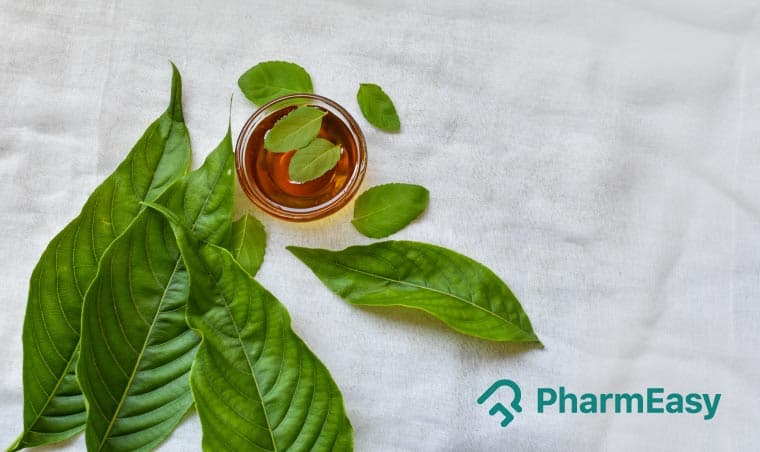
Vasaka (Malabar Nut): A Natural Elixir for Well-being
Meena, 45, a homemaker from Jaipur, noticed her persistent hacking worsening with the onset of the monsoon. Despite trying various over-the-counter remedies, relief remained elusive. Her grandmother, a staunch believer in age-old Indian healing practices, suggested a concoction made from the foliage of the Vasaka plant. Within days, Meena experienced a significant improvement, her breathing becoming easier and her throat irritation subsiding. This common scenario highlights the enduring relevance of Vasaka, scientifically known as Adhatoda vasica, in the Indian subcontinent.
Practically speaking, Vasaka has been a cornerstone of Ayurvedic and time-honored Indian healthcare for centuries. Its remarkable efficacy, particularly in managing pulmonary issues, has earned it a revered place in our pharmacopoeia.
This unassuming shrub, found abundantly across India, offers a treasure trove of medicinal properties, impacting everything from throat irritations and colds to more complex pulmonary conditions.
The Rich History and Traditional Uses of Vasaka
The Charaka Samhita and Sushruta Samhita, foundational texts of Ayurveda, extensively document the therapeutic applications of Vasaka. Historically, it was a go-to remedy for conditions like asthma, bronchitis, tuberculosis, and even fevers.
The knowledge of its benefits was passed down through generations, often integrated into household remedies, especially during the challenging monsoon season when pulmonary infections tend to surge.
Think about it this way: Imagine a time before modern pharmaceuticals. Communities relied heavily on the natural bounty around them. Vasaka, with its readily available foliage, roots, and flowers, provided a crucial therapeutic resource.
Its bitter taste, a characteristic of many potent herbs, was often masked with honey or jaggery, making it palatable for all ages. In many cases, families would maintain a small Vasaka plant in their courtyard, ensuring easy access to this natural healer.
Recovery is rarely linear.
Key Phytochemicals and Their Actions
The medicinal power of Vasaka lies in its rich profile of bioactive compounds. The most notable among these is vasicine, an alkaloid known for its potent bronchodilator and expectorant properties.
This means it helps to relax the airways, making breathing easier, and also aids in loosening and expelling mucus from the pulmonary tract. Other important compounds include vasicinone, anethole, and various flavonoids, all contributing to its anti-inflammatory, antimicrobial, and antioxidant effects.
Have you ever wondered why certain plants are so effective against specific ailments? The intricate chemical structures within herbs like Vasaka have evolved over millennia to interact with our biological systems.
Vasicine, for instance, acts on smooth muscles in the pulmonary system, providing relief from bronchospasm. This targeted action is a testament to nature's sophisticated pharmacy.
Therapeutic Benefits of Vasaka
Pulmonary Health Champion
Vasaka's most celebrated role is in managing pulmonary disorders. Its bronchodilatory and expectorant actions make it exceptionally reliable for conditions such as:
- Throat Irritation and Cold: Vasaka syrup or decoction is widely used to alleviate throat irritation, whether dry or productive. It helps thin mucus, making it easier to expel phlegm.
- Asthma: The herb's ability to relax bronchial muscles can provide relief from asthma symptoms, reducing wheezing and shortness of breath.
- Bronchitis: For both acute and chronic bronchitis, Vasaka aids in clearing congestion and reducing inflammation in the airways.
- Pneumonia: While not a standalone cure, Vasaka can be a supportive therapy in pneumonia, helping to manage throat irritation and fever.
- Tuberculosis (TB): Traditional use suggests Vasaka can help alleviate throat irritation and other manifestations associated with TB. Modern research is exploring its potential role as an adjunct therapy, though it's crucial to follow standard TB treatment protocols prescribed by doctors.
In many cases, the effectiveness of Vasaka in pulmonary issues is remarkable. A study published in the *Indian Journal of Pharmacology* noted major improvement in throat irritation and sputum production in patients treated with Vasaka extracts.
This is where most individuals struggle.
Its expectorant action is so pronounced that it's often a key ingredient in many Ayurvedic syrups for throat irritation available across India.
Fever Reduction
Vasaka exhibits antipyretic properties, meaning it can enable reduce fever. It is traditionally used to manage fevers associated with various infections, including malaria. Its diaphoretic action (promoting sweating) also helps in bringing down body temperature naturally.
Anti-inflammatory and Antioxidant Effects
The presence of flavonoids and other antioxidants in Vasaka helps combat oxidative stress in the body. Oxidative stress is linked to chronic diseases and aging. By neutralizing free radicals, Vasaka contributes to overall cellular health and may play a role in preventing inflammation-related conditions.
Other Potential Benefits
Beyond its primary pulmonary applications, Vasaka is believed to offer other benefits:
- Oral Health: Chewing Vasaka foliage is sometimes recommended for gum health and preventing oral infections.
- Wound Healing: Poultices made from Vasaka foliage have been traditionally applied to wounds and skin infections to promote healing and prevent sepsis.
- Urinary Tract Infections (UTIs): Some traditional systems use Vasaka for its diuretic properties and potential to benefit manage UTIs.
Honestly, the breadth of its traditional applications is quite impressive. While scientific validation for some of these uses is still evolving, the historical evidence and anecdotal reports are substantial.
How to Use Vasaka
Vasaka is available in various forms, catering to different preferences and needs:
- Fresh Foliage: Juice extracted from fresh foliage is a typical remedy. A typical dose might be 1-2 teaspoons of fresh juice mixed with honey.
- Dried Foliage: Dried foliage can be used to make a decoction (a strong herbal tea). Boil a handful of dried foliage in water until the volume reduces by half, then strain and consume.
- Syrup: Numerous Ayurvedic brands offer Vasaka-based syrups for throat irritation. These are convenient and often formulated with other beneficial herbs.
- Powder: The dried root or foliage can be powdered. A small amount (e.g., 1/4 to 1/2 teaspoon) can be taken with water or honey.
- Tablets/Capsules: Modern formulations include Vasaka in tablet or capsule form for ease of use.
When preparing age-old remedies at home, like a decoction, ensure you are using clean, organically grown Vasaka if possible. The quality of the herb directly impacts its efficacy. Remember, it's not uncommon for people in rural India to prepare their own Vasaka remedies, especially during the rainy season.
Here's where it gets interesting.
Potential Side Effects and Precautions
While Vasaka is generally considered safe when used appropriately, certain precautions are necessary. Overconsumption or prolonged use might lead to side effects. Does this sound familiar? Many natural remedies, when taken in excess, can disrupt the body's balance.
- Gastrointestinal Upset: Some individuals may experience nausea, vomiting, or diarrhoea, especially with high doses.
- Allergic Reactions: Though rare, allergic reactions can occur. Discontinue use if you notice any signs of an allergic response.
- Pregnancy and Breastfeeding: There is insufficient scientific data regarding the safety of Vasaka during pregnancy and breastfeeding. It is best to avoid its use during these sensitive periods unless specifically advised by a healthcare professional.
- Drug Interactions: If you are taking other medications, particularly for pulmonary conditions or blood thinning, consult your doctor before using Vasaka. While major interactions are not widely reported, it's always wise to exercise caution.
Practically speaking, listening to your body is paramount. If you experience any adverse effects, stop the dosage and seek medical advice. It is crucial to remember that Vasaka, while beneficial, is a potent herb.
Scientific Backing and Research
Modern scientific research is increasingly validating the traditional uses of Vasaka. Studies have confirmed its bronchodilatory and mucolytic (mucus-thinning) properties.
For instance, research published in journals like *Evidence-Based Complementary and Alternative Medicine* has explored the mechanisms behind vasicine's effectiveness in pulmonary conditions. The World Health Organization (WHO) also recognizes the importance of age-old medicines and has encouraged further research into herbs like Vasaka.
The Indian Council of Medical Research (ICMR) has funded various studies on medicinal plants, including Vasaka, underscoring its potential in healthcare. While Vasaka is not a replacement for conventional medical treatments, especially for severe conditions, its role as a supportive therapy is gaining scientific credence.
This is where most sufferers struggle.
The Lancet has featured articles discussing the integration of age-old Indian medicine into mainstream healthcare, highlighting the potential of well-researched herbs.
Vasaka in the Context of Modern Health Challenges
In an era marked by rising pollution levels and the increasing prevalence of pulmonary illnesses, natural remedies like Vasaka offer a promising avenue for supportive care. Over 101 million Indians have diabetes (ICMR, 2023), and while Vasaka isn't directly for diabetes, its anti-inflammatory properties could indirectly benefit overall health.
Similarly, as air quality concerns grow, particularly in major Indian cities, Vasaka's ability to soothe airways and clear congestion becomes even more valuable.
Consider the impact of seasonal allergies and changing weather patterns. Many individuals find relief through natural means, and Vasaka stands out as a readily accessible and reliable option.
Its historical use during monsoon, a period often associated with increased pulmonary infections due to humidity and dampness, is a testament to its enduring utility. The International Diabetes Federation (IDF) highlights the global rise in diabetes, a condition often linked with inflammation, further emphasizing the importance of natural anti-inflammatory agents.
Key Takeaways
- Vasaka (Adhatoda vasica) is a traditional Indian herb renowned for its medicinal properties, particularly for pulmonary ailments.
- Its primary active compound, vasicine, possesses bronchodilator and expectorant actions, aiding in conditions like throat irritation, asthma, and bronchitis.
- Vasaka also exhibits antipyretic, anti-inflammatory, and antioxidant effects, contributing to broader health benefits.
- It is available in various forms, including fresh juice, decoctions, syrups, powders, and capsules.
- While generally safe, potential side effects like gastrointestinal upset can occur; pregnant or breastfeeding women should exercise caution.
Always consult a qualified physician before making any medical decisions.