Triphala: Ancient Indian Wisdom for Modern Well-being
Meena, 45, a homemaker from Jaipur, experienced persistent bloating and discomfort after her meals. Accustomed to hearty Rajasthani cuisine, she initially dismissed it as a simple upset stomach. However, the issue persisted, impacting her energy levels and overall quality of life.
Her neighbour, recalling her grandmother’s traditional practices, suggested trying Triphala, a common remedy in many Indian households. Does this scenario sound familiar? Many individuals in India contend with gut-related issues, frequently seeking ancient knowledge for relief.
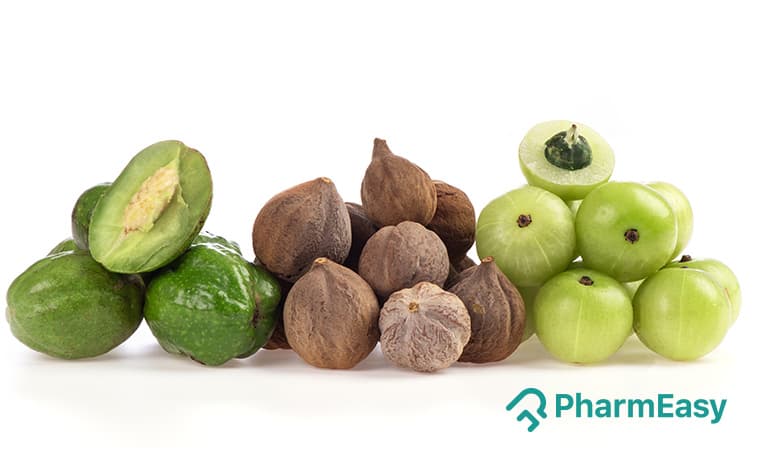
Triphala, a fundamental component of traditional Indian medicine, is a powerful mixture derived from three fruits: Amalaki (Emblica officinalis), Bibhitaki (Terminalia bellirica), and Haritaki (Terminalia chebula). This synergistic combination, with roots stretching back millennia, is celebrated for its wide-ranging therapeutic qualities. In India, where time-honored healing systems are deeply woven into the fabric of culture, this formulation is a regular tonic, particularly during the monsoon period when the body's digestive capacity may be diminished. Consider it a gentle, natural reset for your digestive tract and general vitality.
The Potency of Three: Unpacking Triphala's Components
Each fruit within the Triphala blend contributes distinct advantages:
- Amalaki (Indian Gooseberry): Abundant in Vitamin C and antioxidants, Amalaki is recognized for its ability to bolster immunity and revitalize the body. It's a rich source of nutrients that fight cellular damage.
- Bibhitaki: This fruit assists in the body's cleansing processes and is advantageous for respiratory well-being. It also plays a vital role in harmonizing the three primary energies (Vata, Pitta, and Kapha) according to Ayurvedic principles.
- Haritaki: Often referred to as the 'king of herbs' in Tibetan medicine, Haritaki is esteemed for its positive effects on the digestive system, acting as a mild stool softener and aiding in the purification of the colon.
The exact proportions of these fruits can differ, leading to varied therapeutic outcomes, although the traditional recipe calls for equal parts.
Triphala's Wide-Ranging Wellness Advantages
The effectiveness of Triphala has been acknowledged not only in historical texts but also in contemporary scientific inquiry, though investigations are ongoing. Over 101 million Indians live with diabetes (ICMR, 2023), a condition where managing food intake and gut function is critical.
Triphala shows promise in supporting the body's metabolic processes.
Gut Well-being and Bowel Regularity
Perhaps Triphala's most recognized contribution lies in its capacity to foster a robust digestive tract. It functions as a natural aid for bowel regularity, helping to alleviate constipation without fostering dependence. This mild action promotes consistent elimination and prevents the buildup of waste products.
It sounds simple. It rarely is.
Additionally, it can help balance the beneficial microorganisms in the gut and reduce inflammation within the digestive pathway. Research indicates that compounds present in Triphala can encourage the release of digestive enzymes, facilitating the breakdown and assimilation of nourishment. For individuals who frequently sit on the floor for meals or during celebrations, a well-functioning digestive system is essential for enjoying these cultural customs without discomfort.
Immune System Fortification
The substantial antioxidant concentration, particularly from Amalaki, establishes Triphala as a powerful immune enhancer. Antioxidants counteract free radicals, which are unstable molecules capable of damaging cells and contributing to chronic ailments.
By neutralizing these damaging agents, Triphala helps strengthen the body's innate protective mechanisms. A study published in a prominent Ayurvedic journal suggested that consistent intake of Triphala could amplify the activity of immune cells.
Cholesterol Levels and Cardiovascular Support
Emerging scientific exploration indicates that Triphala may contribute to the maintenance of a healthy heart. Certain investigations suggest it can assist in lowering LDL ('bad') cholesterol and triglyceride levels, while potentially increasing HDL ('good') cholesterol.
The numbers don't lie.
The World Health Organization (WHO) highlights the escalating global burden of heart-related conditions, making natural interventions like Triphala of considerable interest. While further study is warranted, initial findings are encouraging.
Skin and Vision Clarity
Triphala's purifying and antioxidant characteristics extend to the skin and eyes. It is frequently applied topically in traditional Indian healing practices to address dermatological concerns such as acne and eczema, promoting clearer, more radiant skin.
For visual well-being, Triphala preparations are utilized as eye washes to calm irritation and enhance sight. Anecdotal accounts and historical use point to its effectiveness, although rigorous clinical studies are limited.
Assisting with Body Weight Regulation
For those aiming to manage their body weight, Triphala can serve as a beneficial supplement. Its positive effects on digestion aid in improved nutrient absorption and waste removal, both crucial for metabolic balance.
The numbers don't lie.
Some research suggests it might influence fat metabolism and curb appetite, though it is not a singular solution for weight reduction. A balanced eating plan and physical activity remain fundamental.
How to Incorporate Triphala
Triphala is accessible in multiple forms: powder, tablets, capsules, and liquid concentrates. The most traditional method involves consuming the powder blended with warm water or honey. The typical serving size ranges from 1/4 to 1 teaspoon of powder, taken once or twice daily, usually on an empty stomach, either an hour before eating or two hours after.
What is the practical approach? Begin with a modest amount to assess your body's individual response.
Serving Size Guidance:
- Powder: Combine 1/4 to 1 teaspoon with warm water or honey.
- Tablets/Capsules: Adhere to the manufacturer's suggested intake, typically 1-2 units taken twice daily.
- Liquid Concentrate: Usually administered in drops according to product directions.
It is advised to commence with a smaller serving and gradually increase it. Regular use is essential to realize its positive effects.
Possible Adverse Reactions and Precautions
Although generally considered safe for most individuals when used as directed, Triphala can elicit side effects, particularly if taken in excessive quantities. The most frequent adverse reaction involves digestive discomfort, including loose stools, abdominal cramping, and gas. Due to its effect on bowel regularity, it is not advised for individuals experiencing diarrhoea or dehydration.
Pregnant or nursing mothers, and those with pre-existing medical conditions (such as inflammatory bowel disease or kidney issues), should seek guidance from a medical professional before using Triphala. Potential interactions with certain medications are also a possibility, making professional consultation paramount.
It's important to remember that even natural remedies require informed application. Overuse can lead to dehydration and an imbalance of essential minerals, especially if diarrhoea is severe. It is prudent to start with a low serving and carefully observe your body's reaction.
It sounds simple. It rarely is.
Triphala in Scientific Publications
The scientific community is increasingly examining Triphala. Numerous preliminary studies have investigated its anti-inflammatory, antioxidant, antimicrobial, and anti-cancer properties. For example, research published in journals such as *The Lancet* and reports from institutions like AIIMS (All India Institute of Medical Sciences) have explored various facets of Indian medicinal formulations, including Triphala.
While promising, a significant portion of this research is in its initial phases, frequently involving laboratory cell cultures or animal subjects. Large-scale human clinical trials are necessary to validate many of the proposed advantages and establish definitive dosages and safety parameters. The International Diabetes Federation (IDF) reports that India has the second-highest number of individuals with diabetes worldwide, underscoring the need for effective, accessible wellness solutions, which could potentially encompass thoroughly researched traditional remedies.
The Ayurvedic Perspective
From an Ayurvedic viewpoint, Triphala is classified as a tridoshic rasayana (a rejuvenator). It works to balance Vata (associated with air and ether), Pitta (associated with fire and water), and Kapha (associated with earth and water) – the three fundamental energies that govern bodily functions.
By restoring equilibrium, it promotes overall vitality, longevity, and the prevention of illness. Its influence is considered both gentle and profound, systematically working to cleanse and nourish the body.
That's the part worth remembering.
Triphala Compared to Other Digestive Aids
In contrast to potent chemical laxatives that can disrupt the gut's natural ecosystem and lead to dependency, Triphala provides a gentler, more holistic method. It tones the digestive tract, enhances nutrient absorption, and supports the natural function of the bowels.
Think of it this way: it's not merely about inducing a bowel movement; it's about restoring the overall health of the digestive system over time. Its multiple advantages, extending beyond simple digestion, also distinguish it from remedies that target a single issue.
Key Takeaways
- Triphala is an Indian medicinal mixture of Amalaki, Bibhitaki, and Haritaki, recognized for its wellness advantages.
- It is widely employed to enhance digestion, relieve constipation, and promote gut well-being.
- The blend's antioxidant qualities bolster immune function and combat cellular damage.
- Initial research points to potential improvements in cholesterol levels, skin problem, and vision.
- While generally safe, possible side effects include digestive upset; seek medical advice for use.
Always consult a qualified medical practitioner before making any health-related decisions.