Tejpatta: A Culinary Staple with Surprising Health Perks
Meena, 45, a homemaker from Jaipur, experienced persistent digestive discomfort that often flared after heavy meals, particularly during festive gatherings laden with rich foods. Her grandmother, a fount of traditional knowledge, suggested adding a few dried tejpatta – what we commonly know as bay leaves – to her cooking. Skeptical yet open to trying, Meena began incorporating them into her dal and vegetable preparations.
Within weeks, she noticed a marked improvement in her digestion. This isn't an isolated case; for centuries, tejpatta has been more than just an aromatic addition to kitchens. Its health benefits are now being explored by modern science.
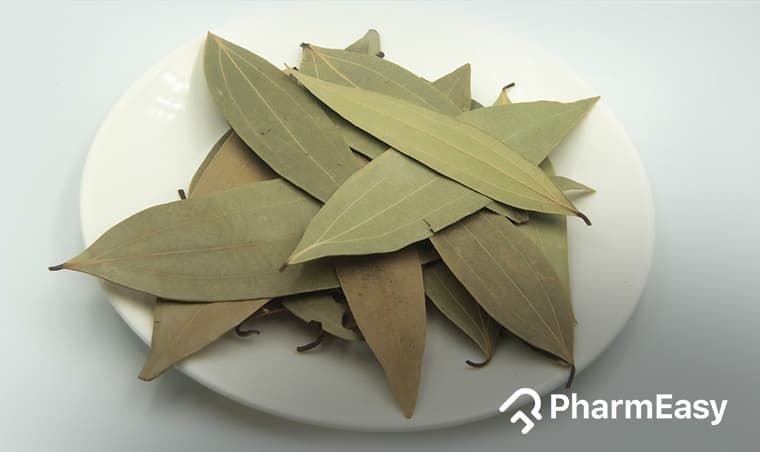
What most people miss: Tejpatta, scientifically known as Cinnamomum tamala, is native to the subcontinent and Southeast Asia. Unlike the smaller, more common European bay leaf (Laurus nobilis), tejpatta are larger, paler, and possess a distinct aroma – a complex blend of cinnamon, clove, and a subtle earthiness. This unique profile makes it a cornerstone in various cuisines, from Mughlai biryanis to simple lentil preparations. But its utility extends far beyond flavouring. This article will explore the scientifically backed benefits, nutritional profile, potential side effects, and safe usage of tejpatta.
Nutritional Powerhouse of Tejpatta
While typically used in small quantities, tejpatta contributes a range of essential nutrients and bioactive compounds. A typical serving (about 1 gram of dried leaves) contains negligible calories but offers a spectrum of vitamins and minerals. It's a good source of Vitamin A, crucial for vision and immune function, and contains smaller amounts of Vitamin C, which acts as an antioxidant.
Minerals like manganese, important for bone health and metabolism, and iron, vital for oxygen transport in the circulation, are also present. The true magic, however, lies in its rich array of phytonutrients and antioxidants, including flavonoids and polyphenols. These compounds are believed to be responsible for many of its health-promoting properties.
Recovery is rarely linear.
Here's the thing: The concentration of these beneficial compounds is significant. For instance, research published in the *Journal of Food Science and Technology* highlights the presence of potent antioxidants in bay leaves that can help combat oxidative stress in the body.
Oxidative stress is linked to chronic diseases like heart disease and cancer, making antioxidant-rich foods incredibly valuable for overall well-being.
Key Nutrients per 1 gram (approximate):
- Calories: ~3
- Carbohydrates: ~0.7g
- Fiber: ~0.3g
- Vitamins: A, C, B-complex
- Minerals: Manganese, Iron, Potassium, Calcium
- Antioxidants: Flavonoids, Polyphenols
Health Benefits of Tejpatta
The traditional uses of tejpatta in Ayurvedic medicine hint at its therapeutic potential. Modern research is beginning to validate these ancient claims, particularly in areas like digestion, sugar control, and cardiac well-being.
Digestive Aid
Have you ever wondered why? For many, especially those who consume a diet rich in spices and complex carbohydrates, digestive comfort is paramount. Tejpatta has long been revered for its carminative properties – its ability to assist prevent or relieve flatulence.
The enzymes present in bay leaves are thought to aid digestion and soothe the digestive tract, potentially alleviating symptoms of indigestion, bloating, and even constipation. Studies suggest that compounds in bay leaves can aid stabilize sugar and improve protein digestion, contributing to a healthier gut environment. Its traditional use in managing gastrointestinal issues is well-documented in households.
The numbers don't lie.
Blood Sugar Management
This is a critical area, especially considering the growing burden of diabetes. Over 101 million people have diabetes (ICMR, 2023), and managing sugar levels is a daily challenge for millions. Research indicates that tejpatta may play a role in improving insulin sensitivity and reducing fasting glucose levels.
A study published in *Metabolism: Clinical and Experimental* found that consuming bay leaf extract significantly lowered serum glucose, cholesterol, and triglyceride levels in individuals with type 2 diabetes. The bioactive compounds in tejpatta, particularly flavonoids like quercetin, are believed to enhance glucose uptake by muscle cells. While promising, it's crucial to remember that tejpatta is a supplement to, not a replacement for, prescribed diabetes medication and lifestyle changes recommended by healthcare professionals.
Heart Health Support
Cardiovascular diseases remain a leading cause of mortality. Tejpatta's potential to support cardiac well-being stems from its antioxidant and anti-inflammatory properties. The flavonoids present can benefit protect against LDL (bad) cholesterol oxidation, a key step in the development of atherosclerosis (hardening of the arteries).
On top of that,, some research suggests that bay leaf compounds may benefit reduce pressure, another marked risk factor for cardiac disease. The potassium content also contributes by helping to regulate pressure. The World Health Organization (WHO) consistently highlights the need for dietary interventions to combat heart disease globally, and incorporating herbs like tejpatta could be a small yet beneficial step.
Recovery is rarely linear.
Antimicrobial and Anti-inflammatory Effects
The essential oils and other compounds within tejpatta exhibit antimicrobial properties, potentially inhibiting the growth of certain bacteria and fungi. This could contribute to its traditional use in food preservation and its benefits for digestive well-being.
Its anti-inflammatory actions, attributed to antioxidants like polyphenols, may enable reduce systemic inflammation, which is implicated in numerous chronic conditions. This aspect is particularly relevant in conditions like arthritis, where inflammation plays a central role.
Other Potential Benefits
Preliminary research suggests other potential benefits, including antioxidant effects that may protect against certain cancers and aid in wound healing. Its traditional use in managing respiratory ailments, like coughs and colds, also warrants further investigation.
The complex blend of compounds offers a wide spectrum of potential wellness advantages.
Side Effects and Precautions
While generally safe when consumed in culinary amounts, excessive intake or improper use of tejpatta can lead to adverse effects. It's essential to understand these potential risks.
Digestive Upset from Large Doses
Consuming large quantities of whole bay leaves, especially without removing them from the dish before eating, can be problematic. The leaves are quite fibrous and can cause choking hazards or gastrointestinal irritation. They are typically meant to be infused into the food and then removed.
That's the part worth remembering.
So what does that mean for you? Always remove the tejpatta leaves before serving your meal to avoid any discomfort.
Allergic Reactions
Though rare, some individuals may experience allergic reactions to bay leaves, manifesting as skin rashes or breathing difficulties. If you have a known allergy to plants in the Lauraceae family, caution is advised.
Interaction with Medications
For individuals on specific medications, particularly those for diabetes or blood thinners, it's crucial to consult a healthcare provider. Tejpatta's potential to lower sugar and affect clotting could interact with these medications. The Council of Medical Research (ICMR) emphasizes the need for vigilance regarding herb-drug interactions.
Pregnancy and Breastfeeding
Pregnant and breastfeeding women should exercise caution and consult their doctor before using tejpatta therapeutically or in large medicinal quantities. While culinary use is generally considered safe, there is insufficient research on the effects of concentrated doses during these sensitive periods.
How to Use Tejpatta
Incorporating tejpatta into your diet is simple and can be done in several ways:
- In Cooking: Add 1-3 dried leaves to curries, rice dishes (like pulao and biryani), soups, stews, and lentil preparations (dal). Remember to remove the leaves before serving.
- Teas and Infusions: Boil 1-2 tejpatta leaves in water for a few minutes to make a fragrant tea. This can be particularly soothing for digestion. You can add honey or lemon for taste.
- Powdered Form: Ground tejpatta can be added to spice blends or directly to dishes, but use sparingly due to its potent flavour.
Worth knowing: The aroma and flavour of tejpatta are released best when the leaves are added early in the cooking process, allowing them to gently infuse the dish. This is especially true for slow-cooked gravies and dals, where the leaf has ample time to impart its essence.
Most people overlook this completely.
In homes, it’s widespread practice to dry the leaves further after purchase and store them in airtight containers to preserve their potency.
Conclusion: A Valuable Addition to a Balanced Diet
Tejpatta is far more than a simple seasoning. Its rich nutritional profile, coupled with scientifically supported benefits for digestion, sugar control, and cardiac well-being, makes it a valuable herb to include in your culinary repertoire. From the bustling kitchens of Delhi to the serene villages of Kerala, its presence is a testament to its enduring appeal and utility.
While generally safe, mindful consumption and awareness of potential side effects are crucial. As research continues to uncover the full potential of this ancient spice, its role in promoting wellness grows stronger.
Key Takeaways:
- Tejpatta offers notable nutritional value, including vitamins, minerals, and potent antioxidants.
- It is traditionally used and scientifically suggested to aid digestion and alleviate signs like bloating and indigestion.
- Emerging research indicates tejpatta may benefit optimise sugar control and insulin sensitivity, beneficial for individuals managing diabetes.
- Its antioxidant and anti-inflammatory properties may contribute to improved cardiac well-being by protecting against cholesterol oxidation and potentially lowering pressure.
- While generally safe in culinary amounts, consuming whole leaves or excessive quantities can cause digestive upset; always remove leaves before eating.
Always consult a qualified physician before making any medical decisions.