Talmakhana: Nature's Boon for Wellness
Meena, 45, a homemaker from Jaipur, experienced a persistent burning sensation during urination. She’d encountered this before, particularly during the humid monsoon months when infections seemed more common.
Her grandmother, a firm believer in older remedies, promptly suggested a mixture featuring Talmakhana seeds, a plant she praised for its cooling and restorative qualities. This widespread experience underscores the lasting significance of herbs like Talmakhana in Indian homes, even as contemporary medicine advances.
Talmakhana, botanically identified as Asteracantha longifolia and also referred to as Kishkindha, is a prickly, herbaceous plant found widely across India. Its distinct appearance, with sharp thorns and vivid purple blossoms, conceals its considerable therapeutic promise. For ages, Ayurveda has esteemed Talmakhana for its varied medicinal uses, especially in addressing issues of the urinary tract, enhancing vigor, and fostering general well-being. Its historical application is deeply embedded in practices like processing the seeds into a powder and ingesting it with milk or water, often during times when digestive problems are frequent, such as after celebrations.
Understanding Talmakhana: The Plant and Its Attributes
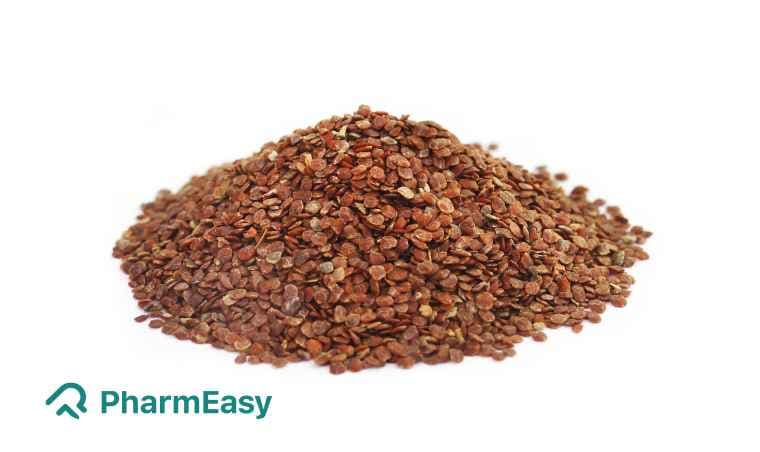
The plant itself is an annual herb that typically grows in damp areas and alongside water sources, flourishing in the Indian climate. Its leaves are oval-lance-shaped, and the flowers are a striking blue-purple, appearing in dense clusters in the leaf axils. The seeds, which are the main medicinal component, are small, egg-shaped, and blackish-brown.
Practically speaking, correctly identifying the plant is vital for its safe and effective application. Historical texts describe its flavor as slightly bitter and cooling, characteristics that contribute to its effectiveness in conditions involving inflammation and excess bodily heat.
It sounds simple. It rarely is.
What many overlook: Talmakhana is not merely a single herb but a rich source of plant compounds. Its therapeutic actions are attributed to a variety of active constituents, including flavonoids, alkaloids, glycosides, and phenolic compounds. These elements cooperate to deliver its observed beneficial effects.
Research continues to fully clarify the mechanisms behind its historical applications, but initial studies point to significant antioxidant, anti-inflammatory, antimicrobial, and diuretic qualities. The International Journal of Pharmaceutical Sciences and Research has published findings detailing its chemical makeup.
The Beneficial Effects of Talmakhana
Talmakhana's medicinal applications are extensive, arising from its capacity to address numerous health concerns. Its cooling nature makes it especially advantageous during warmer periods or for individuals experiencing conditions worsened by heat.
Urinary Tract Well-being
One of the most recognized uses of Talmakhana is in managing urinary tract infections (UTIs) and other bladder-related issues. Its diuretic qualities help cleanse the urinary system of impurities and germs.
This is where most patients struggle.
Studies appearing in journals such as the *Journal of Ethnopharmacology* have indicated its promise in alleviating symptoms associated with painful urination and burning sensations. It is thought to calm irritated tissues within the urinary tract.
Ever wondered why? The antimicrobial and anti-inflammatory actions of Talmakhana's active elements can aid combat the pathogens responsible for UTIs and lessen the related discomfort. This positions it as a valuable natural aid, particularly in areas where prompt medical attention may be limited.
Kidney Stone Assistance
Talmakhana is also historically utilized to support the management of kidney stones. Its diuretic impact aids in increasing urine volume, which can assist in passing smaller stones and prevent the development of new ones.
Some investigations suggest it may possess stone-dissolving attributes, meaning it could aid break down certain stone types, though more robust clinical studies are required for confirmation. The Indian Council of Medical Research (ICMR) has supported initial investigations into the impact of various indigenous herbs on kidney stones.
That alone changes everything.
Diabetes Support
Here's the fact: Talmakhana shows promise in assisting individuals managing diabetes. Initial research suggests it may enable regulate blood glucose levels. The International Diabetes Federation (IDF) emphasizes the increasing prevalence of diabetes in India, with over 101 million diagnosed individuals (ICMR, 2023), highlighting the need for supportive interventions.
Talmakhana's potential blood-sugar-lowering effect could be linked to its antioxidant qualities, which might enhance insulin responsiveness. However, it is essential to recognize this as a supplementary treatment and not a substitute for standard diabetes care. those affected managing diabetes must closely monitor their blood sugar readings when using herbal supplements.
Digestive Comfort and Acidity
The cooling attributes of Talmakhana benefit the digestive system. It is frequently employed to ease excessive stomach acid, heartburn, and indigestion.
By soothing the stomach lining and reducing irritation, it can provide relief from discomfort. Its use is particularly relevant during celebratory periods when eating habits can lead to digestive upset.
Aphrodisiac and Vigor Enhancement
In customary Indian healing, Talmakhana is also acknowledged for its potential aphrodisiac properties and its capacity to boost overall vitality and strength. It is believed to enhance endurance and energy levels, serving as a tonic for general well-being.
Most people overlook this completely.
While scientific backing in this specific domain is limited, its historical reputation endures.
Anti-inflammatory and Pain-Relieving Effects
Worth noting: Talmakhana contains compounds exhibiting anti-inflammatory and pain-relieving characteristics. This makes it useful in addressing various inflammatory conditions, including joint discomfort and swelling. Its ability to reduce inflammation can contribute to its effectiveness in issues like UTIs and digestive complaints.
Liver Protection
Emerging findings indicate that Talmakhana may possess liver-protective qualities, suggesting it could support shield the liver from damage caused by harmful substances. The liver, a vital organ, processes numerous compounds, and its soundness is critical. Further research is needed to explore this benefit more thoroughly.
How to Incorporate Talmakhana
Talmakhana is typically consumed as a powder or a boiled liquid preparation. The seeds are usually dried, cleaned, and then ground into a fine powder. This powder can be mixed with water, milk, or honey and taken by mouth.
A standard preparation involves consuming 1-2 teaspoons of Talmakhana powder twice daily. For boiled preparations, the seeds are simmered in water until the liquid reduces to a specific volume, and this infusion is then drunk.
Here's where it gets interesting.
It is often advised to take these preparations on an empty stomach for optimal absorption, although individual advice may differ. Always adhere to the dosage recommended by a qualified Ayurvedic practitioner or your healthcare provider.
Possible Adverse Reactions and Cautions
While Talmakhana is generally regarded as safe when used correctly and in advised amounts, certain precautions are important. Its strong diuretic action implies that excessive intake could result in dehydration or an imbalance of essential minerals, especially if fluid consumption is insufficient.
Individuals with pre-existing kidney issues should use it cautiously and under medical guidance.
What should you actually do? It is prudent to begin with a small quantity to gauge your body's response.
Pregnant and nursing mothers should avoid using Talmakhana unless specifically directed by a healthcare professional, as its effects during these phases are not well-documented. Those taking diuretic medications or other prescribed drugs should consult their physician before adding Talmakhana to their regimen to prevent potential interactions.
There are no widespread, commonly noted severe adverse effects. However, some individuals might experience mild digestive upset.
If you notice any unfavorable reactions, stop use immediately and seek medical counsel. Remember, relying solely on natural remedies without professional medical guidance can be risky, particularly for serious health conditions.
This is where most sufferers struggle.
Conclusion: Embracing Nature's Aids Wisely
Talmakhana, with its rich background in Ayurvedic healing, offers a compelling natural avenue for addressing various wellness concerns, from urinary tract difficulties and kidney stones to diabetes support and digestive comfort. Its anti-inflammatory and diuretic qualities, supported by age-old knowledge and growing scientific interest, make it a valuable plant in the Indian medicinal tradition.
Nevertheless, like all potent natural aids, it must be used with understanding and respect for its effects. Knowing its benefits, appropriate application, and potential contraindications is key to harnessing its advantages safely and effectively.
The path to well-being often involves a blend of ancient wisdom and modern understanding. Plants like Talmakhana remind us of the profound healing potential found in nature, accessible through methods perfected over generations.
By thoughtfully and responsibly integrating such historical remedies into our wellness practices, we can enhance conventional medical care and pursue a healthier existence.
Key Takeaways
- Talmakhana (Asteracantha longifolia) is a historical Ayurvedic plant recognized for its diuretic, anti-inflammatory, and cooling qualities.
- It is mainly employed to support urinary tract health, manage UTI manifestations, and potentially assist with kidney stone management.
- Emerging research suggests Talmakhana may provide benefits for blood sugar regulation in those with diabetes, though it should supplement, not substitute, standard approach.
- While generally safe, caution is advised, particularly concerning hydration and possible interactions with medications; consult a healthcare provider.
- Proper use often includes consuming the seed powder or boiled liquid, with dosages guided by historical practice or medical advice.
Always seek advice from a qualified physician before making any health-related decisions.