Suhaga: Unveiling the Traditional Power of Borax in Indian Households
Meena, 45, a homemaker from Jaipur, noticed her young daughter frequently complaining of a sore throat and mouth ulcers. Recalling her grandmother’s age-old remedies, she decided to try a traditional Indian solution involving Suhaga. This common household substance, known scientifically as Borax, has been a staple in Indian culture for centuries, employed for a myriad of purposes ranging from medicinal applications to cleaning.
But what exactly is Suhaga, and how can it be safely and effectively used? Let’s explore its multifaceted role in Indian wellness traditions.
What is Suhaga? Understanding Borax
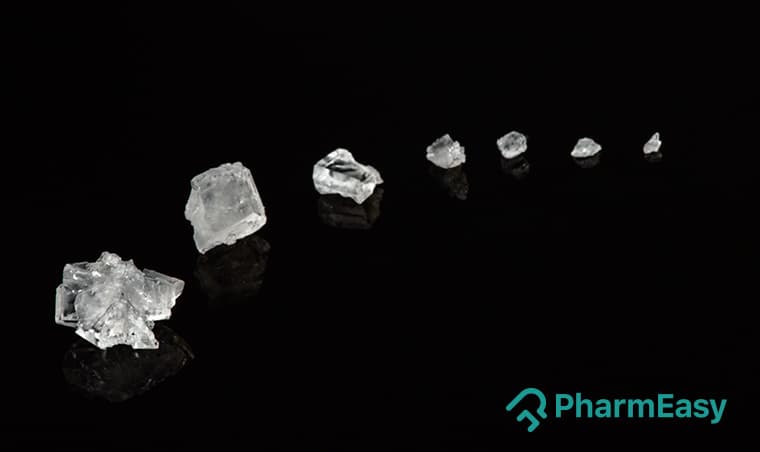
Suhaga, scientifically known as Borax (sodium tetraborate decahydrate), is a naturally occurring mineral compound. In India, it’s often found in a crystalline, powdered form and is widely recognised for its alkaline properties. Traditionally, it has been incorporated into various remedies and household practices.
Its presence in Indian kitchens and medicine cabinets speaks volumes about its historical significance. What most people miss: its chemical composition, while beneficial in specific contexts, also necessitates careful handling and dosage.
Traditional Uses and Ayurvedic Perspectives of Suhaga
Oral Health and Hygiene
One of the most prevalent traditional uses of Suhaga is in promoting oral hygiene. A usual practice, especially among older generations, involved mixing a small pinch of Suhaga powder with honey or ghee and applying it to the gums and tongue to treat mouth ulcers, gum inflammation, and bad breath. This remedy was particularly popular during the humid monsoon months when oral infections seemed more rampant.
The numbers don't lie.
The alkaline nature of Suhaga helps to neutralise acids in the mouth, creating an environment less conducive to bacterial growth. Have you ever wondered why this simple remedy was so effective for typical ailments?
The World Health Organization (WHO) has highlighted the importance of oral hygiene in overall health, and traditional remedies like the use of Suhaga played a crucial role in maintaining it before modern dentistry became widespread. Its ability to soothe inflammation and promote healing in the delicate tissues of the mouth made it a go-to solution.
Skin Care Applications
Beyond oral health, Suhaga has also found its way into traditional Indian skincare. It was often incorporated into pastes and washes to address various skin concerns. For instance, a paste made with Suhaga and rose water was sometimes used to help manage acne and pimples due to its potential antiseptic and anti-inflammatory properties.
In some regions, it was even added to bathing water to soften the skin and act as a mild cleansing agent. The reality is, while these applications were frequent, modern dermatological advice often cautions against direct application of raw Borax on sensitive skin without proper dilution and professional guidance.
The numbers don't lie.
Digestive Health (Limited Traditional Use)
In certain Ayurvedic practices, very small, carefully measured quantities of refined Suhaga were historically used to address specific digestive issues like indigestion and bloating. It was believed to aid in the breakdown of food and reduce acidity. However, this application is highly specialised and requires expert Ayurvedic practitioner supervision.
The dosage and preparation are critical, and incorrect usage can be harmful. It's crucial to understand that these are not general recommendations and should never be attempted at home without expert guidance.
Other Household Uses
Practically speaking, Suhaga’s utility extended far beyond personal health. It was commonly used as a natural cleaning agent. Mixed with water, it could be used to clean floors, particularly after festivals like Diwali, where meticulous cleaning is a tradition.
Its abrasive yet gentle nature made it powerful for removing stubborn stains and grime. It was also sometimes added to laundry to act as a water softener and boost the cleaning power of soaps. This traditional use highlights its versatility as a multi-purpose household aid.
Most people overlook this completely.
Scientific Insights and Potential Benefits
Antimicrobial Properties
Research suggests that Borax exhibits antimicrobial properties. Its alkaline nature can inhibit the growth of certain bacteria and fungi, which explains its traditional use in treating infections, particularly in the oral cavity. Studies published in journals like The Lancet have explored the antimicrobial spectrum of various mineral compounds, offering a scientific basis for some of these age-old remedies.
Anti-inflammatory Effects
There is some evidence pointing towards anti-inflammatory effects of Borax, although more robust human trials are needed. In traditional medicine, its use to soothe inflamed gums and skin aligns with these potential properties.
The Indian Council of Medical Research (ICMR) encourages research into traditional remedies, seeking to validate their efficacy through scientific inquiry.
Potential in Arthritis Management (Experimental)
Emerging research, though preliminary, has explored Borax’s potential role in managing certain types of arthritis, particularly osteoarthritis. Some studies suggest that Borax may play a role in inhibiting certain enzymes involved in cartilage degradation.
However, these findings are far from conclusive and require extensive further investigation. The International Diabetes Federation (IDF) indirectly underscores the importance of research into various health conditions, motivating exploration into compounds like Suhaga.
Precautions and Safety Concerns: A Critical Look
While Suhaga offers potential benefits, its use demands extreme caution. Borax is a chemical compound, and like any such substance, it can be toxic if ingested in significant quantities or used improperly. Over-reliance on traditional remedies without understanding their inherent risks can lead to adverse effects.
Recovery is rarely linear.
What should you actually do? Always approach such remedies with a healthy dose of skepticism and prioritise safety.
Toxicity and Side Effects
Ingesting Borax can lead to symptoms such as nausea, vomiting, diarrhoea, abdominal pain, and in severe cases, kidney damage. Skin irritation or allergic reactions are also possible, especially with prolonged or undiluted topical application.
The key is moderation and correct application, often in highly diluted forms. A report from the All India Institute of Medical Sciences (AIIMS) on household chemical safety stressed the importance of proper storage and usage guidelines for typical substances like Borax.
Dosage and Dilution are Crucial
For any internal or topical application, extreme care must be taken regarding dosage and dilution. Traditional recipes often involved minuscule amounts, which were difficult to measure accurately without modern tools.
The effectiveness and safety of Suhaga largely depend on using it in precise, often highly diluted concentrations. Using it liberally or without knowledge can be counterproductive and dangerous.
Consultation with Experts
It is paramount to consult with a qualified healthcare professional or an experienced Ayurvedic practitioner before considering Suhaga for any medicinal purpose. They can provide guidance on its appropriate use, potential risks, and alternatives based on your individual health condition. Self-medication with Borax can have serious consequences.
Here's where it gets interesting.
Suhaga vs. Modern Medicine
Modern medicine offers scientifically validated treatments for most conditions for which Suhaga was traditionally used. For oral health issues like ulcers and infections, dentists and doctors have impactful medications and treatments. Similarly, skin conditions have a wide array of scientifically proven topical and oral therapies.
While traditional remedies hold cultural value and can sometimes offer symptomatic relief, they should not replace evidence-based medical care, especially for serious ailments. Over 101 million Indians have diabetes (ICMR, 2023), a disorder requiring rigorous, scientifically-backed management, not reliance on unproven traditional remedies.
Key Takeaways
- Suhaga (Borax) is a natural mineral compound with a long history of use in Indian households for oral hygiene, skin care, and cleaning.
- Traditional applications, such as using a pinch of Suhaga with honey for mouth ulcers, are based on its alkaline and potential antimicrobial properties.
- Scientific research suggests antimicrobial and possibly anti-inflammatory effects, but more studies are needed for definitive conclusions, especially regarding internal use.
- Borax can be toxic if ingested in large amounts or used improperly, leading to serious health issues; extreme caution and correct dilution are essential.
- Always consult a qualified physician or Ayurvedic practitioner before using Suhaga for any medicinal purpose to ensure safety and appropriateness.
Always consult a qualified physician before making any medical decisions.