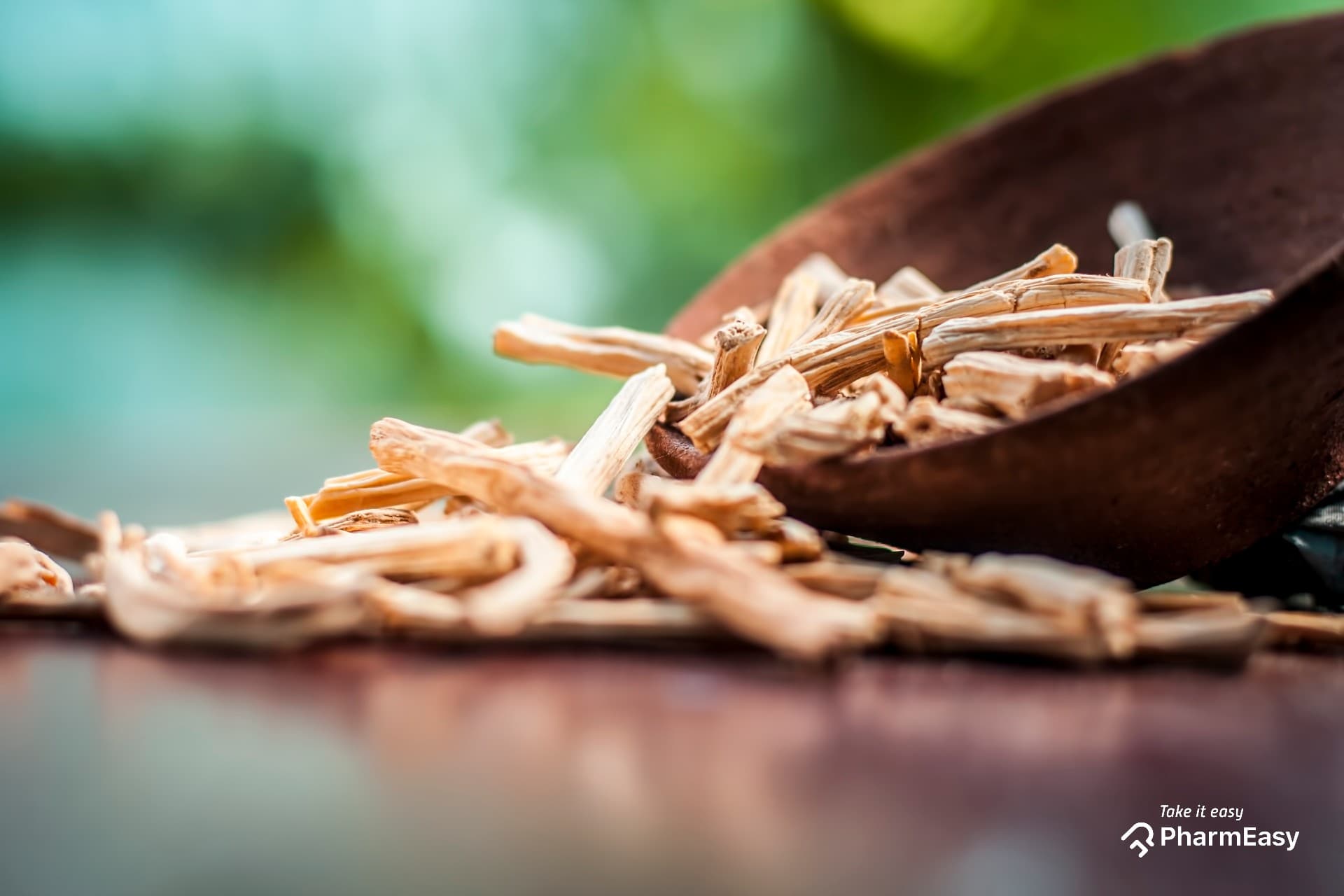
Shatavari (Asparagus Racemosus): Nature's Elixir for Holistic Wellness
Meena, 45, a homemaker from Jaipur, noticed a persistent fatigue that no amount of rest seemed to alleviate. Coupled with occasional digestive discomfort and a sense of unease, she sought time-honoured remedies. Her grandmother, a staunch believer in Ayurveda, suggested Shatavari, a herb deeply rooted in Indian culture and often referred to as the 'queen of herbs'. This ancient plant, scientifically known as Asparagus racemosus, has been a cornerstone of Ayurvedic medicine for centuries, particularly revered for its benefits to women's physical well-being.
Have you ever wondered why certain herbs are so revered across generations? Shatavari, with its adaptogenic properties, is one such wonder. It's believed to help the body adapt to pressures, both physical and emotional.
This makes it incredibly relevant in today's fast-paced world, where stress-related ailments are on the rise. In fact, pressure is a significant factor contributing to numerous physical issues, impacting everything from our gut to our hormonal balance. Practically speaking, incorporating herbs like Shatavari can be a gentle yet powerful way to support your body's natural resilience.
The Multifaceted Benefits of Shatavari
Shatavari's reputation as a rejuvenator and adaptogen isn't unfounded. Its complex chemical composition, including steroidal saponins, is thought to be responsible for its wide array of therapeutic effects. Let's explore some of the key areas where Shatavari shines.
1. Women's Reproductive Health: A Time-Honoured Ally
Perhaps Shatavari's most celebrated role is in supporting women's reproductive well-being throughout their lives. From managing menstrual irregularities to alleviating menopausal symptoms, it's frequently the go-to herb. For women experiencing discomfort during their monthly cycles, Shatavari can assist regulate flow and reduce associated pain.
Recovery is rarely linear.
Its phytoestrogenic compounds may also ease the transition through menopause. Studies suggest that it can support mitigate common menopausal signs like hot flashes and mood swings. The International Menopause Society reports that menopause affects over 1 billion women globally by 2025, highlighting the need for effective, natural support systems.
What most people miss is Shatavari's potential role in supporting lactation. In many Indian households, especially after childbirth, mothers are encouraged to consume Shatavari formulations to enhance breast milk production. While scientific evidence is still evolving, traditional use and anecdotal reports are extensive.
Think about it this way: supporting a new mother holistically is crucial for both her well-being and the infant's. Shatavari's nourishing properties are believed to contribute to this.
2. Digestive Harmony and Gut Health
Beyond its gynaecological applications, Shatavari is a potent ally for your digestive system. It's known to soothe the gastrointestinal tract and can be beneficial for issues like acidity, indigestion, and ulcers. Its cooling nature helps to pacify excess 'pitta' (fire element) in Ayurveda, which is often linked to digestive complaints. Research published in journals like The Lancet has explored the gut microbiome's role in overall physical condition, and herbs that support gut lining integrity, like Shatavari, are gaining attention. An estimated 30-40% of the Indian population suffers from some form of digestive disorder, underscoring the importance of gut health.
Does this sound familiar? You've enjoyed a festive meal, perhaps during Diwali, and now your stomach feels upset. Shatavari can assist restore balance.
Its mucilaginous properties create a protective layer in the stomach lining, shielding it from irritants and promoting healing. This makes it particularly useful for those with a sensitive gut or who frequently experience heartburn.
3. Immune System Fortification
A robust immune system is your best defence against illness. Shatavari contains compounds that can benefit modulate immune responses. It's believed to enhance the activity of certain immune cells, thereby bolstering the body's ability to fight off infections.
That alone changes everything.
The World Health Organization (WHO) consistently emphasizes the importance of a strong immune system, especially in the face of emerging physical challenges. Regular intake, as part of a balanced lifestyle, can contribute to this defence mechanism.
4. Pressure Reduction and Mental Well-being
As an adaptogen, Shatavari's ability to enable the body cope with pressure is a meaningful benefit. Chronic pressure can lead to a cascade of negative physical effects, including fatigue, anxiety, and sleep disturbances.
Shatavari may assist to normalise pressure hormone levels, promoting a sense of calm and improving resilience. This is crucial, as the National Institute of Mental Health and Neurosciences (NIMHANS) in India reports increasing levels of pressure and anxiety across various demographics.
5. Antioxidant Properties
Like many potent herbs, Shatavari is rich in antioxidants. These compounds combat free radicals in the body — unstable molecules that can cause cellular damage and contribute to ageing and chronic diseases. By neutralizing these free radicals, Shatavari helps protect your cells and supports overall cellular vitality.
The numbers don't lie.
Understanding Shatavari Forms and Dosage
Shatavari is available in various forms, catering to different preferences and needs. You can find it as a powder, capsules, tablets, or even as a liquid extract. The time-honoured Ayurvedic approach often involves consuming Shatavari powder mixed with warm milk or ghee.
This method is believed to enhance its absorption and therapeutic effects. For many, this warm milk concoction is a comforting ritual, especially during cooler evenings.
Determining the right dosage is crucial and can vary based on the individual, the specific physical concern, and the form of Shatavari being used. Generally, Ayurvedic practitioners recommend starting with a lower dose and gradually increasing it. For Shatavari powder, a widespread starting dose might be around half a teaspoon (2-5 grams) once or twice a day.
Capsules and tablets usually have standardized dosages indicated on the packaging. Honestly, self-medicating with herbs requires careful consideration. It's always best to seek guidance from a qualified Ayurvedic practitioner or a healthcare professional experienced in herbal medicine to determine the appropriate dosage for your specific needs.
Potential Side Effects and Precautions
While Shatavari is generally considered safe for most individuals when used appropriately, some precautions are necessary. Allergic reactions, though rare, can occur. Individuals with known allergies to asparagus or other plants in the Asparagus genus should exercise caution. Some people might experience mild gastrointestinal upset, such as bloating or stomach cramps, especially when starting the supplement.
Women who are pregnant or breastfeeding should consult their doctor before using Shatavari, despite its time-honoured use for lactation support. Similarly, individuals with hormone-sensitive conditions should use it under medical supervision. If you are taking any medications, particularly diuretics or medications that affect blood sugar levels, discuss Shatavari use with your physician.
It sounds simple. It rarely is.
Interactions, while not extensively documented, are always a possibility with any supplement. Always listen to your body; if you experience any adverse effects, discontinue use and seek medical advice.
Shatavari in the Indian Context
The integration of Shatavari into Indian life goes beyond mere medicinal use. It's frequently prepared as a nourishing tonic, especially for women recovering from childbirth or those facing the challenges of menopause. In many rural and even urban households, the practice of sitting on the floor for extended periods can put strain on the body, and time-honoured remedies like Shatavari are often employed to support overall vitality and resilience.
Its presence in Ayurvedic pharmacies and home remedy kits is a testament to its enduring legacy. The Indian Council of Medical Research (ICMR) continues to support research into time-honoured Indian medicinal systems, acknowledging their potential contribution to public health.
Think about it this way: Shatavari is more than just an herb; it's a symbol of nature's wisdom passed down through generations. Its ability to address many kinds of physical concerns, particularly for women, makes it a valuable addition to a holistic wellness approach.
The numbers don't lie.
Have you ever wondered why ancient traditions hold such power? It's often because they tap into deep understandings of the body's natural rhythms and healing capabilities.
Key Takeaways
- Shatavari (Asparagus racemosus) is a revered Ayurvedic herb known for its adaptogenic and rejuvenating properties.
- It is particularly beneficial for women's physical problem, aiding in menstrual regulation, menopausal symptom relief, and lactation support.
- Shatavari supports digestive vitality by soothing the gut lining and alleviating issues like acidity and indigestion.
- It possesses immune-boosting and pressure-reducing qualities, contributing to overall well-being.
- While generally safe, it's important to consult a healthcare professional for appropriate dosage and to rule out potential interactions or contraindications.
Always consult a qualified physician before making any medical decisions.