Conch Ash: A Traditional Remedy for Digestive Health
Meena, 45, a homemaker from Jaipur, experienced ongoing stomach upset and fullness after meals, particularly during the monsoon when her family’s diet frequently includes richer, fried foods. While conventional remedies provided some relief, she sought a more lasting solution.
Her quest led her to explore Conch Ash, a potent traditional formulation derived from seashells.
Many of us in India encounter digestive discomfort. Our eating habits, often shaped by culture and season, can impact our gut health. Conch Ash, a classical traditional preparation, has been valued for ages for its therapeutic qualities, especially in addressing various digestive issues.
What is Conch Ash?
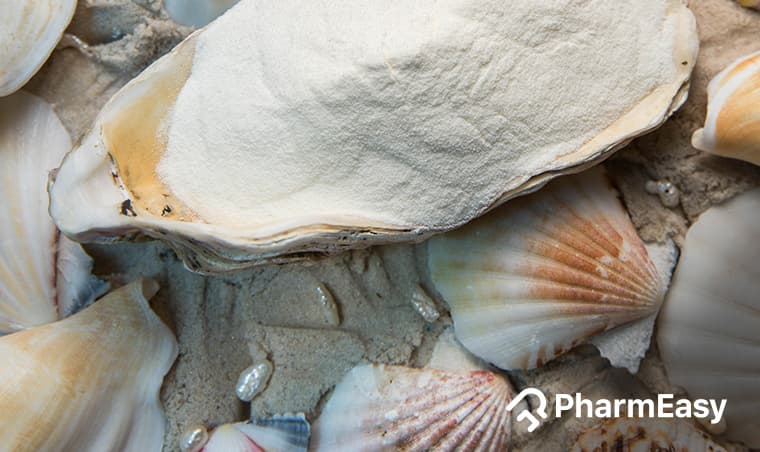
Conch Ash is a calcined preparation made from the seashell (Shankh). In traditional medicine, seashells are considered a good source of calcium and other essential minerals. The process of preparing the ash involves careful purification and incineration, often using herbal liquids and extracts, to make the material safe and therapeutically effective.
This purification is vital; raw shell material can be abrasive and harmful. The resulting fine powder is thought to be easily absorbed by the body, making its mineral content accessible. This preparation follows the traditional principle of 'Marana', a process that transforms potentially inert or harmful substances into active medicines.
The numbers don't lie.
The Science Behind Conch Ash: A Traditional Perspective
Traditional medicine classifies Conch Ash primarily as an appetizer ('Deepana') and a digestive agent ('Pachana'). It is believed to stimulate the digestive fire, or 'Agni', which is fundamental to maintaining health. When Agni is weak, it leads to the formation of 'Ama', or toxins, contributing to various ailments. Conch Ash is thought to strengthen Agni, thus preventing Ama formation and improving nutrient absorption.
Its alkaline nature is also key to its effectiveness. Often, acidity stems from excess stomach acid (hydrochloric acid). Conch Ash, being alkaline, can help neutralize this excess acid, offering relief from heartburn and indigestion. This action is similar to how antacids work, but within a traditional framework, it's seen as restoring natural balance rather than just masking a symptom.
Does this resonate? The discomfort after a feast or a spicy snack? Conch Ash is traditionally recommended for such episodes.
Potential Uses and Benefits of Conch Ash
The therapeutic applications of Conch Ash are wide-ranging, primarily focusing on the digestive system, but also extending to other areas.
1. Relief from Acidity and Heartburn
This is perhaps its most recognized use. Its alkaline properties assist neutralize excess stomach acid, providing quick relief from the burning sensation of heartburn and acid reflux. Regular use, under guidance, can aid manage ongoing acidity.
Studies on the mineral content of seashells show significant levels of calcium carbonate, which acts as a natural antacid. For individuals with frequent acidity, this offers a natural alternative to synthetic medications.
It sounds simple. It rarely is.
2. Management of Gastric Ulcers and Gastritis
While not a cure, Conch Ash may assist in managing gastric ulcers and gastritis. By reducing stomach acidity and potentially having mild anti-inflammatory effects, it can benefit create a more favorable environment for healing.
The smooth, fine texture of the ash is also thought to be gentle on inflamed stomach linings. Research has highlighted the importance of managing stomach acidity in ulcer healing, a principle that Conch Ash's action supports.
3. Improving Digestion and Appetite
As an appetizer ('Deepana'), Conch Ash is believed to stimulate hunger and improve the overall digestive process. By enhancing the secretion of digestive enzymes and improving gut movement, it can aid in better food digestion.
This can be particularly helpful for individuals experiencing loss of appetite or indigestion. This aligns with the traditional concept that a healthy appetite is the first sign of good digestion.
4. Treating Diarrhea and Dysentery
Conch Ash is traditionally used to manage symptoms of diarrhea and dysentery. Its astringent properties are thought to assist firm stools and reduce intestinal movement, while its potential antimicrobial action may combat causative germs.
It sounds simple. It rarely is.
It is often combined with other herbs in remedies for these conditions. The impact of gut health on overall metabolic well-being underscores the importance of addressing such gastrointestinal issues.
5. Source of Readily Available Calcium
The seashell is a natural source of calcium. After the ash preparation, the calcium becomes highly absorbable, meaning the body can use it effectively. This makes Conch Ash a potential supplement for individuals with calcium deficiency, osteoporosis, or those needing to strengthen their bones.
Over 101 million Indians have diabetes (ICMR, 2023), a condition often linked with bone health issues, making adequate calcium intake crucial. A strong skeletal system supports overall mobility and well-being.
6. Enhancing Immunity
While less frequently discussed, some traditional texts suggest that Conch Ash can assist boost the immune system. This is attributed to its mineral content and its ability to optimise gut health, as a notable part of the immune system resides in the gut.
A healthy gut environment, supported by proper digestion, is increasingly recognized globally as vital for robust immunity.
7. Relief from Bloating and Gas
By improving digestion and reducing Ama (toxins), Conch Ash can assist alleviate signs of bloating and excessive gas. It aids in the proper breakdown and assimilation of food, preventing the accumulation of undigested material that leads to flatulence.
That's the part worth remembering.
This can be especially helpful for people who experience discomfort after eating certain foods or during periods of irregular eating habits.
Preparation and Dosage: A Traditional Guideline
The preparation of authentic Conch Ash is a complex procedure requiring expertise and adherence to strict traditional protocols. It involves several stages of purification (Shodhana) followed by incineration (Marana). The raw seashell is first cleaned and then subjected to repeated grinding and heating cycles, often with specific herbal liquids like lemon juice or buttermilk, and sometimes goat's milk.
This process purifies the shell and transforms it into a fine, potent ash. The quality of the final ash depends heavily on the purity of the raw material and the precision of the manufacturing process. Reputable traditional manufacturers follow these ancient texts.
The dosage of Conch Ash varies based on the individual's age, disorder, and the specific preparation. Typically, it is administered in small amounts, often ranging from 125 mg to 500 mg per day. It is usually taken orally, mixed with honey, ghee, or lukewarm water.
The frequency of administration—once or twice daily—is also determined by a qualified practitioner. It is essential to consult a traditional physician for the correct dosage and duration of treatment. Self-medication can be risky.
Recovery is rarely linear.
Potential Side Effects and Precautions
When prepared and used correctly under expert guidance, Conch Ash is generally considered safe. However, like any potent medicine, it can have side effects if misused or taken in excessive amounts. Possible adverse effects include:
- Constipation: In some individuals, especially if not taken with enough fluids or if the dose is too high, it might cause constipation.
- Aggravation of Vata: In excess, alkaline substances can sometimes worsen the Vata dosha, leading to dryness or other Vata-related signs.
- Heavy Metal Contamination (if impure): The most major risk arises from improperly prepared ash that may contain heavy metal contaminants. This highlights the critical importance of sourcing Conch Ash from reputable manufacturers who follow strict quality control measures, often certified by bodies like the WHO or adhering to Good Manufacturing Practices (GMP).
Precautions:
- Pregnant and breastfeeding women should avoid using Conch Ash unless specifically advised by a healthcare professional.
- Individuals with existing kidney conditions should be cautious, as excessive calcium intake can be problematic.
- It should not be taken on an empty stomach for prolonged periods without medical advice.
- Always ensure the product is obtained from a trusted traditional brand.
This means that while Conch Ash offers meaningful potential benefits, responsible use and professional guidance are crucial to harness its advantages safely.
Conch Ash in Modern Context
While rooted in ancient tradition, the principles behind Conch Ash's effectiveness are being explored in modern scientific terms. Its antacid properties are well-understood due to its calcium carbonate content. Research into traditional medicines is growing, with institutions actively participating in studies to validate traditional claims.
These studies aim to understand the absorbability of minerals in ashes and their pharmacological actions. The World Health Organization (WHO) also recognizes the importance of traditional medicine systems and encourages research into their safety and effectiveness. This scientific validation can support bridge the gap between traditional wisdom and modern healthcare, potentially leading to integrated approach approaches.
The global market for herbal and traditional medicines is substantial, and Indian traditional preparations like Conch Ash are gaining international attention. As people seek natural and holistic health solutions, understanding the science and safe application of such traditional remedies becomes increasingly important.
Here's where it gets interesting.
Research into indigenous medicinal systems is actively supported.
Key Takeaways
- Conch Ash is a traditional preparation made from purified and incinerated seashells, rich in absorbable calcium.
- It is primarily used to relieve acidity, heartburn, and indigestion by neutralizing stomach acid and strengthening digestive fire (Agni).
- Potential benefits include aiding in the management of gastric issues, improving appetite, and possibly boosting immunity.
- Proper preparation is vital to avoid contamination; always source from reliable manufacturers.
- Dosage and usage should be determined by a qualified traditional physician to prevent side effects like constipation.
Always consult a qualified physician before making any medical decisions.