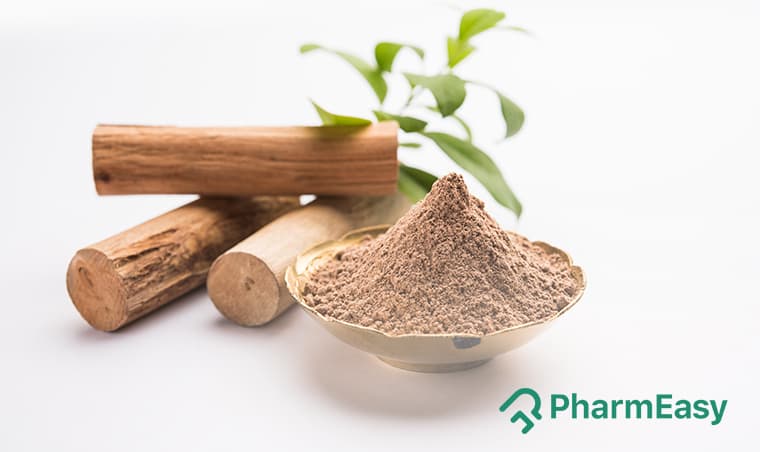
The Aromatic Power of Sandalwood: An Ancient Indian Treasure
Meena, 45, a homemaker from Jaipur, noticed a persistent dullness in her skin, exacerbated by the city's pollution and the dry winter air. She recalled her grandmother using a traditional preparation of this wood for various skin ailments and decided to try it herself, hoping for a natural remedy.
This age-old practice, deeply rooted in Indian culture, highlights the enduring appeal of this fragrant wood.
Sandalwood, derived from the aromatic wood of trees belonging to the genus Santalum, has been revered in India for millennia. Its distinctive, warm, woody fragrance has made it a staple in religious ceremonies, perfumery, and traditional medicine, particularly Ayurveda. Consider this: its scent is not just pleasant; it's believed to have profound effects on the mind and body. This article will explore the myriad uses, scientifically backed advantages, and possible adverse effects of this precious natural resource.
Historical and Cultural Significance of Sandalwood in India
The use of sandalwood in India stretches back over 4,000 years. It holds immense cultural and spiritual significance, deeply intertwined with Hindu, Buddhist, and Jain traditions. Sandalwood powder (chandan) is traditionally applied to the forehead during religious rituals and to the idols of deities. It is also used in cremations, symbolising the purification of the soul. During festivals, like Diwali or Raksha Bandhan, sandalwood powder is often part of the elaborate rituals and decorations.
Practically speaking, its presence is felt in everyday life too. From the fragrant incense sticks that fill temples and homes to the inclusion of sandalwood oil in natural cosmetics and skincare items, its aroma is a constant companion.
The traditional Indian practice of sitting on the floor, often during family gatherings or religious discourses, can be enhanced by the calming ambiance created by sandalwood incense or diffusers.
Therapeutic Advantages of Sandalwood
The advantages of sandalwood extend far beyond its captivating aroma. Modern science is beginning to validate many of the traditional claims, particularly concerning its effects on skin health and mental well-being.
Sandalwood for Skin Health
For centuries, sandalwood has been a go-to ingredient in Ayurvedic skincare. Its anti-inflammatory, antiseptic, and astringent properties make it highly effective for a range of skin concerns. Does this sound familiar?
Recovery is rarely linear.
Many people struggle with acne, redness, or dryness. Sandalwood can help soothe irritated skin, reduce inflammation associated with acne, and promote a clearer complexion. Its cooling effect is particularly beneficial during the hot Indian summers.
Studies have shown that sandalwood oil possesses antimicrobial properties, which can aid in fighting acne-causing bacteria. On top of that,, its emollient nature helps to moisturize the skin, improving its texture and suppleness. Research published in journals like The Lancet has touched upon the therapeutic applications of plant-derived compounds, including those found in sandalwood, for dermatological conditions. The global market for sandalwood oil is substantial, indicating its widespread use in cosmetic and therapeutic formulations.
Sandalwood for Mental Well-being and Stress Relief
The calming and grounding aroma of sandalwood is well-known for its ability to reduce stress and anxiety. Inhaling sandalwood essential oil is believed to promote relaxation, enhance mental clarity, and even improve sleep quality.
But why does this happen? The scent molecules interact with the brain's limbic system, which controls emotions and memory, thereby inducing a sense of peace.
Traditional practices, like aromatherapy and meditation, frequently incorporate sandalwood to create a serene environment. A meta-analysis of aromatherapy studies suggests that certain essential oils, including sandalwood, can have a positive impact on mood and stress levels.
While definitive large-scale clinical trials are ongoing, the anecdotal evidence and preliminary research are promising. The Indian Institute of Chemical Technology (IICT), Hyderabad, has also conducted research into the various compounds present in sandalwood and their possible pharmacological activities.
This is where most patients struggle.
Other Possible Health Benefits
Beyond skin and stress, sandalwood is explored for other health applications. Its anti-inflammatory properties might offer relief in certain respiratory conditions when used in diffused form, although this requires more robust scientific investigation.
Traditional Ayurvedic texts also mention its use in managing digestive issues and as a diuretic. The World Health Organization (WHO) recognizes the importance of traditional medicine and encourages research into its efficacy and safety, a sentiment that applies to sandalwood as well.
How to Use Sandalwood
Sandalwood can be incorporated into your routine in several ways:
Sandalwood Preparation
Traditionally, pure sandalwood powder is mixed with rose water or plain water to form a paste. This preparation can be applied directly to the face as a mask, left on for 15-20 minutes, and then rinsed off. It is particularly impactful for acne and soothing sunburns.
Sandalwood Essential Oil
High-quality sandalwood essential oil can be used in aromatherapy. Add a few drops to a diffuser to create a calming atmosphere in your home or workspace.
It can also be diluted with a carrier oil (like coconut or jojoba oil) and used for massage or added to bathwater. Remember, essential oils are potent and should always be diluted before topical application.
Most people overlook this completely.
Sandalwood Powder in Skincare Items
Many commercially available skincare items, such as face washes, soaps, and lotions, contain sandalwood extract or powder. These offer a convenient way to enjoy some of its advantages.
Possible Side Effects and Precautions
While generally considered safe when used appropriately, sandalwood is not without possible adverse effects. The quality and purity of sandalwood items are paramount.
Skin Irritation and Allergies
What most people miss: not all sandalwood items are pure. Some may contain synthetic fragrances or adulterants that can cause allergic reactions or skin irritation.
Always perform a patch test on a small area of skin before applying any new sandalwood item to your face or body, especially if you have sensitive skin. Redness, itching, or a burning sensation warrants immediate discontinuation of use.
Misidentification and Adulteration
The high cost and demand for true Indian sandalwood (Santalum album) have led to widespread adulteration and the misidentification of wood from other tree species as sandalwood. This counterfeit sandalwood may not offer the same therapeutic advantages and could even be harmful. It is crucial to source sandalwood items from reputable suppliers who can guarantee authenticity. The International Diabetes Federation (IDF) has highlighted how economic factors can influence the quality and availability of natural items, a parallel that can be drawn to the sandalwood trade.
Pregnancy and Breastfeeding
There is limited research on the safety of sandalwood use during pregnancy and breastfeeding. Therefore, it is advisable to exercise caution and consult a healthcare provider before using sandalwood items during these sensitive periods.
The Future of Sandalwood
Sandalwood cultivation has become increasingly important due to overharvesting of wild trees, which has led to the endangered status of some species. Sustainable farming practices are being adopted globally to ensure a consistent and ethical supply.
Research continues to explore new therapeutic applications and the underlying mechanisms of sandalwood's beneficial compounds. The potential for natural, plant-based remedies in modern healthcare is vast, and sandalwood remains a significant player in this domain.
That alone changes everything.
Key Takeaways
- Sandalwood has been used for thousands of years in Indian culture for religious, medicinal, and cosmetic purposes.
- It offers considerable advantages for skin health, including anti-inflammatory and antimicrobial properties, aiding in acne treatment and skin soothing.
- The aroma of sandalwood is known to reduce stress and anxiety, promoting relaxation and mental clarity, often used in aromatherapy.
- Always use pure, authentic sandalwood items and perform a patch test to avoid potential skin irritation or allergic reactions.
- Due to overharvesting, sourcing sustainably grown sandalwood is crucial for its conservation and continued availability.
Always consult a qualified physician before making any medical decisions.