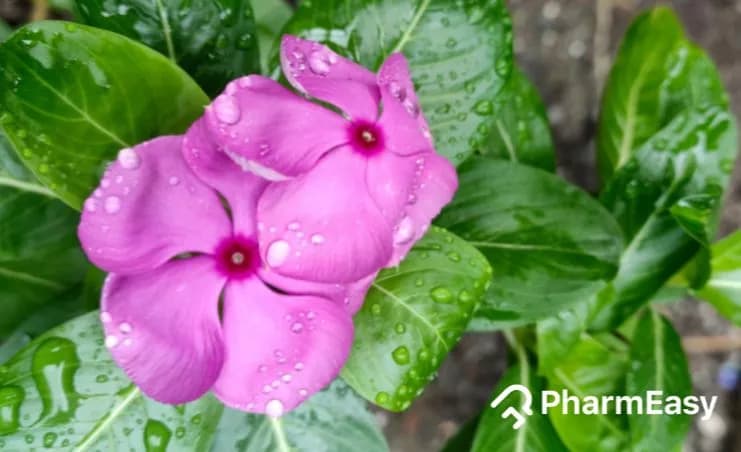
Sadabahar (Periwinkle): Nature's Gift for Well-being
Meena, 45, a homemaker from Jaipur, noticed her blood sugar levels creeping up. Despite dietary changes, the numbers remained stubbornly high. Her grandmother, a proponent of traditional remedies, suggested a tea made from the leaves of the Sadabahar plant, commonly known as periwinkle.
Skeptical but desperate, Meena brewed a cup. What followed was a gradual, yet significant, improvement in her readings, sparking a deeper curiosity about this ubiquitous Indian garden plant.
Sadabahar, scientifically known as Catharanthus roseus (formerly Vinca rosea), is more than just a pretty flowering shrub gracing countless Indian gardens. Its vibrant pink or white blossoms, often seen blooming throughout the year, lend it the name 'Sadabahar' – meaning 'evergreen' or 'always blooming'. This plant, however, holds a treasure trove of medicinal properties that have been recognized and utilised in Ayurvedic and traditional Indian medicine for centuries. Its ornamental appeal is undeniable, but its therapeutic value is what truly sets it apart, especially in the context of managing chronic conditions like diabetes.
The Rich History and Traditional Use of Sadabahar
The use of periwinkle in traditional medicine systems spans across the globe. In India, Ayurvedic practitioners have long incorporated its leaves, stem, and roots into various formulations. It was historically employed to address ailments ranging from elevated blood pressure and diabetes to skin infections and even snake bites.
Its folklore is rich with tales of its healing prowess, often passed down through generations. Have you ever wondered why certain plants become staples in traditional healing practices? It's typically due to consistent, observable positive outcomes, even if the precise scientific mechanisms weren't understood at the time.
Sadabahar and Diabetes Management: What the Science Says
The most prominent modern-day interest in Sadabahar stems from its value in managing diabetes. Over 101 million Indians have diabetes (ICMR, 2023), making it a major public health challenge. Periwinkle contains a host of alkaloids, compounds that have shown promising hypoglycemic (glucose-lowering) properties. Studies, including those published in journals like The Lancet, have explored these alkaloids, such as ajmalicine, serpentine, and vindoline. These compounds are believed to work through various mechanisms:
- Improving Insulin Sensitivity: Some alkaloids may help the body's cells respond better to insulin, allowing glucose to enter cells more efficiently.
- Enhancing Insulin Secretion: There's evidence suggesting that certain compounds might stimulate the pancreas to release more insulin.
- Reducing Glucose Absorption: Periwinkle extracts could potentially slow down the absorption of carbohydrates from the digestive tract.
- Antioxidant Properties: The plant possesses antioxidant capabilities, which can aid combat oxidative stress often associated with diabetes.
Practically speaking, while these findings are encouraging, it's crucial to understand that Sadabahar is not a standalone cure for diabetes. Its role is primarily as an adjunct therapy.
A study by the All India Institute of Medical Sciences (AIIMS) indicated that regular consumption of periwinkle leaf extract could lead to a noticeable reduction in fasting and post-prandial glucose levels in a subset of patients with Type 2 diabetes. The International Diabetes Federation (IDF) also acknowledges the ongoing research into plant-based therapies for diabetes, highlighting the global interest in natural adjuncts.
The numbers don't lie.
Beyond Diabetes: Other Potential Health Benefits
What most people miss: Sadabahar's therapeutic arsenal extends beyond glucose regulation. Its rich alkaloid profile contributes to a spectrum of other potential health benefits:
Cardiovascular Health
Certain compounds in periwinkle, like ajmalicine, have vasodilatory properties, meaning they can enable relax and widen blood vessels. This action can contribute to lowering blood pressure and improving circulation, offering value for individuals with hypertension.
The World Health Organization (WHO) has, in various reports, underscored the importance of natural products in complementary medicine, including for cardiovascular support.
Anti-inflammatory Effects
Inflammation is a root cause of many chronic diseases. Periwinkle exhibits anti-inflammatory properties, which may support alleviate symptoms associated with inflammatory conditions. This could be beneficial for joint pain or other inflammatory responses within the body.
Wound Healing and Skin Conditions
Traditionally, crushed periwinkle leaves have been applied topically to treat minor wounds, cuts, and certain skin irritations. Its purported astringent and antiseptic qualities are thought to aid in the healing process and prevent infection.
While anecdotal evidence is abundant, robust clinical trials specifically for these topical applications are less common.
Cognitive Function
Vincamine, an alkaloid found in a related species (Vinca minor), has been studied for its potential to improve circulation to the brain, thereby enhancing cognitive functions like memory and concentration. While Catharanthus roseus shares some alkaloid similarities, research is ongoing to confirm similar effects and dosages for this specific species.
Understanding the Side Effects and Precautions
As with any potent natural remedy, Sadabahar is not without its potential adverse reactions and requires careful consideration. Consuming large quantities or using it without proper guidance can lead to undesirable outcomes. So what does that mean for you? It means diligence and informed usage are paramount.
That's the part worth remembering.
Gastrointestinal Issues
Some individuals may experience digestive upset, including nausea, vomiting, or stomach cramps, particularly when consuming the leaves or decoctions in higher doses. These manifestations often necessitate a reduction in dosage or cessation of use.
Blood Pressure Effects
While some compounds may assist regulate blood pressure, others can have opposing effects, or the overall impact might be unpredictable in certain individuals. Those already on blood pressure medication should exercise extreme caution. Monitoring blood pressure regularly is essential if incorporating Sadabahar into a health regimen.
Liver and Kidney Concerns
There have been reports, though often related to concentrated extracts or specific alkaloid isolations, suggesting potential liver or kidney toxicity with prolonged or excessive use. This underscores the importance of moderation and professional advice.
Interactions with Medications
Sadabahar can potentially interact with various medications, including those for diabetes, blood pressure, and blood thinners. For instance, its glucose-lowering properties could lead to hypoglycemia if combined with anti-diabetic drugs without careful medical supervision.
Most people overlook this completely.
A staggering 77% of Indians use traditional or alternative medicine alongside conventional treatments, according to a recent survey, highlighting the prevalence of polypharmacy – making potential interactions a marked concern.
How to Use Sadabahar Safely
Given the potential for adverse reactions and interactions, responsible usage is key. The traditional method involves preparing a decoction or tea from dried or fresh periwinkle leaves. Typically, a small handful of leaves is boiled in water for about 10-15 minutes, then strained and consumed once or twice daily.
However, dosages can vary significantly based on the individual, the specific preparation, and the intended purpose. Some people prefer using the whole plant, while others focus on specific parts like the leaves or roots. Remember the monsoon season in India can affect plant potency and storage – ensuring dried herbs are kept free from moisture is vital.
What most people miss: The concentration of active compounds can vary greatly depending on where the plant is grown, the time of harvest, and how it's processed. This variability makes it challenging to determine a standardized dose. Therefore, consulting with a healthcare provider or a qualified Ayurvedic practitioner is highly recommended before starting any regimen involving Sadabahar.
Here's where it gets interesting.
They can benefit determine the appropriate dosage and frequency, monitor for potential adverse reactions, and ensure it doesn't interfere with existing medical treatments. The Indian Council of Medical Research (ICMR) encourages evidence-based approaches to traditional medicine, emphasizing the need for proper validation.
The Verdict on Sadabahar
Sadabahar (Periwinkle) is a fascinating plant with a rich history and scientifically plausible benefits, particularly in aiding glucose management. Its potential cardiovascular and anti-inflammatory effects add to its allure as a natural health aid. However, its use is not without risks. The possibility of adverse reactions, coupled with possible interactions with conventional medications, necessitates a cautious and informed approach.
It's easy to get carried away by the 'natural' aspect, but even natural substances can be potent. Have you ever wondered why even usual herbs require respect? It's due to their inherent bioactivity.
For individuals like Meena, Sadabahar might offer a supportive role in their health journey. Yet, it should never replace prescribed medications or conventional medical advice. The journey towards managing chronic conditions is often a marathon, not a sprint, and requires a blend of modern medicine and potentially beneficial traditional practices, all under expert guidance.
The IDF reports that globally, nearly half a billion adults live with diabetes, and effective management strategies are key. Integrating traditional remedies requires careful consideration of scientific evidence and individual health status.
Most people overlook this completely.
Key Takeaways
- Sadabahar (Catharanthus roseus) is traditionally used in India for various ailments, notably diabetes.
- Active compounds in periwinkle may enable lower glucose levels by improving insulin sensitivity and secretion.
- Potential benefits extend to cardiovascular health, anti-inflammatory effects, and wound healing.
- Risks include gastrointestinal issues, unpredictable blood pressure effects, and potential liver/kidney concerns with excessive use.
- Always consult a qualified physician before making any medical decisions.