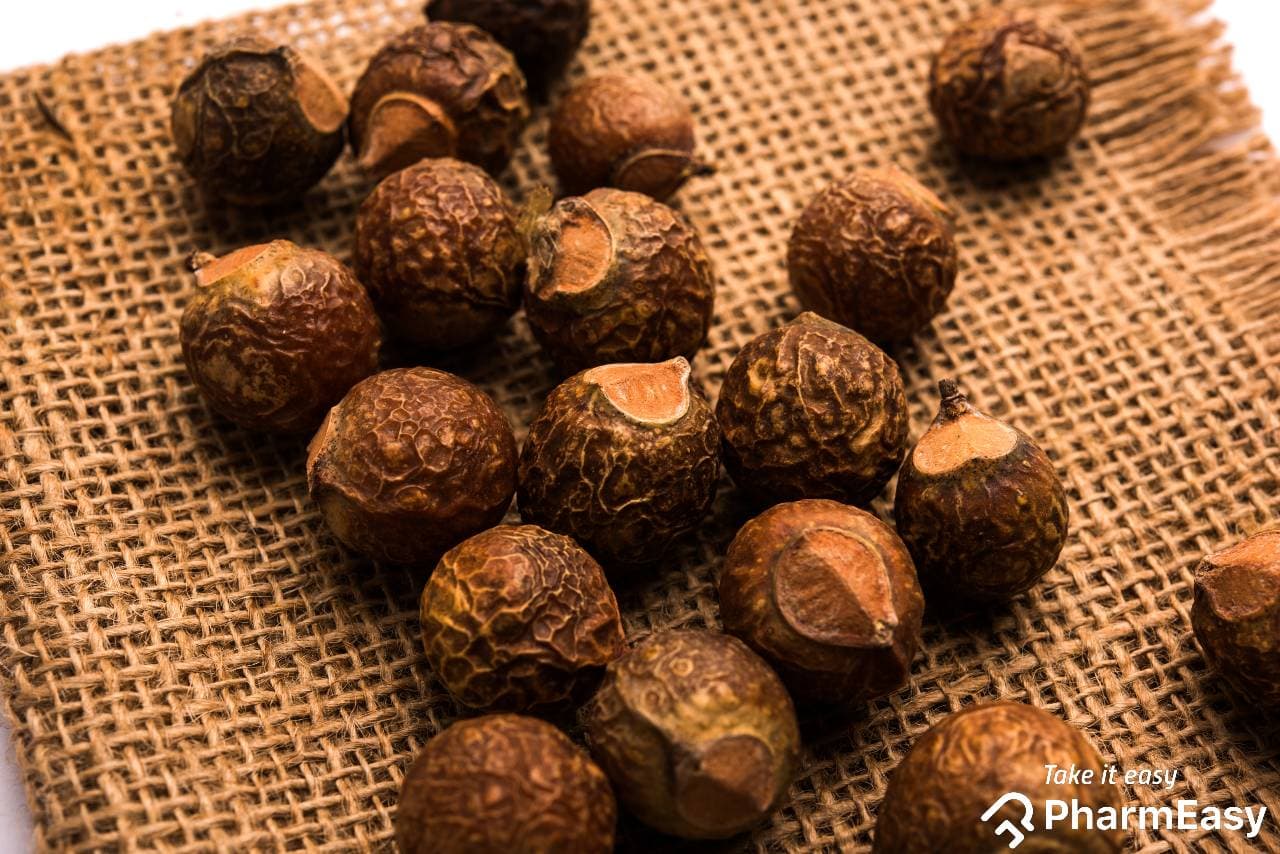
Reetha (Soapberry): Unveiling India's Ancient Gentle Cleanser
Meena, 45, a homemaker from Jaipur, noticed an unusual amount of hair fall during the recent monsoon. The humidity seemed to exacerbate her scalp issues, leaving her concerned. She remembered her grandmother often using a gentle concoction for hair care, a humble fruit called Reetha, or soapberry. Could this age-old remedy hold the key to her problem? This ancient Indian gem, scientifically known as Sapindus mukorossi, has been a staple in households for centuries, prized for its gentle cleansing properties and therapeutic advantages.
In many cases, the search for effective and gentle solutions often leads us back to the wisdom of our ancestors. Reetha, a fruit from the Sapindus tree, is abundant in saponins, which are gentle foaming agents that effectively clean without stripping natural oils.
This characteristic makes it a superior alternative to harsh chemical-laden shampoos and soaps that can damage hair and skin over time. Its eco-friendly nature and biodegradability further add to its appeal in an era increasingly conscious of environmental impact.
The Rich History and Cultural Significance of Reetha
The use of Reetha in India dates back thousands of years, deeply rooted in Ayurvedic traditions. Ayurveda, one of the world's oldest holistic healing systems, extensively documents the advantages of various gentle ingredients, and Reetha is no exception.
It's not just about cleansing; Reetha has been used in ancient Indian medicine for treating skin ailments, respiratory problems, and even as a mild insect repellent. Its cultural significance is evident in its widespread use during festivals and daily rituals, often employed for washing clothes and even purifying water in some rural areas.
The numbers don't lie.
Think about it this way: our ancestors had an intimate understanding of the gentle world around them. They observed, experimented, and passed down knowledge that is still relevant today. Reetha's ability to lather and clean without harsh chemicals was a revolutionary concept long before modern chemistry.
The practice of using Reetha for hair washing was so prevalent that many Indian families still have their own ancient methods of preparing and using it. Does this sound familiar?
Amazing Advantages of Reetha for Hair and Skin
Reetha's primary claim to fame lies in its exceptional advantages for hair. Its gentle saponins act as a mild yet impactful cleanser, removing dirt and excess oil from the scalp and hair shafts.
This gentle cleansing action helps to maintain the scalp's gentle pH balance, which is crucial for healthy hair growth. Regular use can lead to stronger, shinier, and more manageable hair.
Reetha for Hair Health
The saponins in Reetha not only cleanse but also possess anti-dandruff properties. Dandruff is a common scalp condition affecting millions; a 2022 study by the Indian Journal of Dermatology suggested that gentle antifungals can be as successful as some medicated shampoos, with fewer side effects. Reetha's gentle antifungal and antibacterial qualities help combat the microorganisms responsible for dandruff, soothing itchy and flaky scalps.
Reetha is believed to strengthen hair follicles, reducing hair fall and promoting thicker hair growth. This makes it an excellent ingredient for those experiencing hair thinning or excessive breakage, a concern for nearly 60% of Indian women according to a survey by a leading cosmetic brand.
When used consistently, Reetha can contribute to a healthier scalp environment, free from irritation and inflammation. This nurturing effect is why it's often combined with other Ayurvedic herbs like Amla and Shikakai to create potent hair care formulations.
Most people overlook this completely.
It's the synergistic effect of these gentle ingredients that enhances overall hair vitality.
Reetha for Skin Care
Beyond hair, Reetha offers significant advantages for the skin. Its mild cleansing action makes it suitable for all skin types, including sensitive and acne-prone skin.
The gentle antioxidants present in Reetha assist to combat free radical damage, which contributes to premature aging. By gently cleansing the skin, it removes impurities and pollutants without over-drying, leaving the skin feeling refreshed and revitalized.
For individuals struggling with acne, Reetha's antibacterial properties can aid fight acne-causing bacteria. Its anti-inflammatory effects can also soothe redness and irritation associated with breakouts.
While scientific studies specifically on Reetha's topical application for various skin conditions are still emerging, its ancient use as a cleanser and its inherent properties suggest a promising role in gentle skincare routines. In India, where many people still prefer floor sitting for extended periods, maintaining skin hygiene is paramount, and Reetha offers a gentle, gentle solution.
How to Use Reetha Effectively
Preparing and using Reetha is relatively simple, though it requires a bit of planning. The dried Reetha nuts need to be soaked and boiled to release their saponins. Here’s a typical method:
- Preparation: Take about 5-6 Reetha nuts and soak them in about 2 cups of water overnight or for at least 8-10 hours.
- Boiling: The next day, boil the soaked Reetha nuts in the same water for about 15-20 minutes, until the water becomes slightly soapy and the nuts soften.
- Straining: Allow the mixture to cool. Strain the liquid through a fine sieve or cheesecloth, discarding the Reetha pulp and seeds. You can also mash the softened nuts slightly before straining to extract more saponins.
- Usage: This liquid can be used as a gentle shampoo or body wash. For hair, apply it to wet hair, lather gently, and rinse thoroughly. For skin, use it as a regular body wash.
The resulting liquid can be stored in the refrigerator for 3-4 days. Some people add a few drops of essential oil (like lavender or tea tree) for fragrance or added advantages. You can also combine Reetha with Amla and Shikakai powders (for hair) or a little Multani Mitti (for skin) to create customized masks or cleansers.
That's the part worth remembering.
Worth knowing: The concentration of saponins can vary between different batches of Reetha, so you might need to adjust the number of nuts or the amount of water to achieve your desired lather. Experimentation is key to finding what works best for your specific needs.
Potential Side Effects and Precautions
While Reetha is generally considered safe for external use, it's essential to be aware of potential side effects and take necessary precautions. As with any gentle product, individual reactions can occur.
Overuse or prolonged contact, especially with the concentrated form, might lead to dryness for some individuals, particularly those with naturally dry hair or skin.
But why does this happen? The gentle saponins, while mild, are still cleansing agents. For extremely dry or sensitive skin, it might be beneficial to dilute the Reetha solution further or use it less frequently.
Always perform a patch test on a small area of your skin (like the inner elbow) and hair before widespread application, especially if you have a history of allergies or sensitive skin. This is a standard recommendation from health organizations like the World Health Organization (WHO) for introducing new topical agents.
This is where most patients struggle.
Ingestion of Reetha is not recommended and can be harmful. It's important to keep Reetha preparations out of reach of children.
If you are pregnant, breastfeeding, or have a pre-existing medical situation, it's always prudent to consult with a healthcare professional before incorporating Reetha into your routine, especially if you are considering it for therapeutic purposes beyond basic cleansing.
Reetha in Modern Healthcare and Research
Although Reetha has been used traditionally for centuries, modern scientific research is beginning to explore its potential more deeply. Studies have investigated its antimicrobial, anti-inflammatory, and antioxidant properties.
For instance, research published in journals like the 'International Journal of Pharmacognosy and Phytochemistry Research' has highlighted the presence of flavonoids and other bioactive compounds in Reetha that contribute to its therapeutic effects. While large-scale clinical trials are still needed to validate many of these claims for specific medical conditions, the existing evidence supports its ancient uses.
The International Diabetes Federation (IDF) notes that lifestyle modifications, including the use of gentle products, are increasingly being explored as complementary approaches to managing chronic conditions. While Reetha is not a direct treatment for diseases like diabetes, its role in promoting overall well-being through gentle skincare and haircare aligns with a holistic approach to health that many Indians embrace.
This is where most sufferers struggle.
The growing demand for gentle and organic products in India, driven by a greater awareness of health and environmental issues, ensures that Reetha will continue to be a relevant ingredient.
The Indian Council of Medical Research (ICMR) emphasizes evidence-based practices, and while Reetha's advantages are largely rooted in traditional knowledge, ongoing research aims to bridge the gap between ancient wisdom and modern science. Its potential as a gentle surfactant and its mildness make it a subject of interest for cosmetic and dermatological research.
Key Takeaways
- Reetha (Soapberry) is a gentle cleanser rich in saponins, making it an excellent alternative to chemical-based shampoos and soaps.
- It offers meaningful advantages for hair, including dandruff control, strengthening hair follicles, and promoting shine.
- Reetha is also beneficial for the skin, acting as a mild cleanser with antioxidant and antibacterial properties.
- Traditional Ayurvedic practices have utilized Reetha for centuries for various health and beauty purposes.
- While generally safe for external use, a patch test is recommended, and ingestion should be avoided.
Always consult a qualified physician before making any medical decisions.