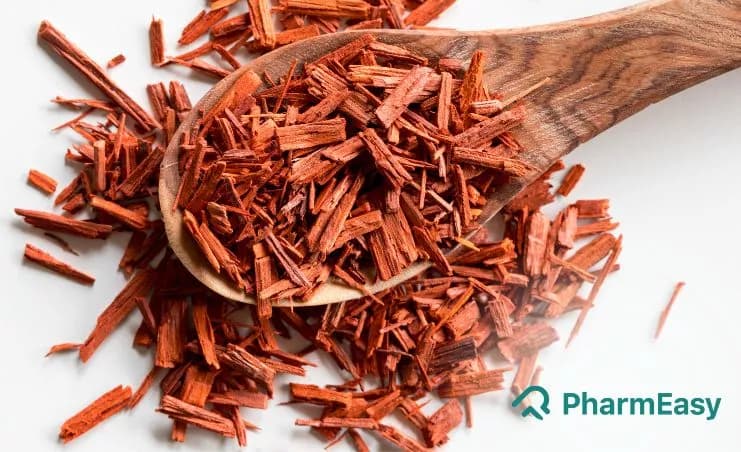
Red Sandalwood: Nature's Ancient Elixir for Well-being
Meena, 45, a homemaker from Jaipur, noticed persistent redness and itching on her face, particularly during the humid monsoon months. Her grandmother, a firm believer in time-tested remedies, suggested a paste made from red sandalwood. Within a few weeks, Meena's skin felt calmer and looked visibly clearer. This personal experience underscores the lasting importance of red sandalwood (Pterocarpus santalinus) in Indian households, a practice rooted in centuries of Ayurvedic wisdom.
Many of us associate red sandalwood primarily with its deep crimson hue and its sacred use in religious ceremonies or as a cosmetic ingredient. However, its therapeutic effects extend far beyond its aesthetic appeal.
For generations, this precious wood has been revered for its beneficial qualities, offering a natural approach to various concerns. Understanding its potential can empower us to make informed choices about natural solutions.
The Rich History and Significance of Red Sandalwood
Red sandalwood, also known as Raktachandan, is native to the Eastern Ghats of India. Its rich, deep red colour and unique fragrance have made it a prized commodity for millennia. Historically, it has been extensively used in Ayurveda, Siddha, and other age-old Indian medicine systems.
The wood's beneficial effects were documented in ancient texts, detailing its use in treating skin ailments, fever, and inflammatory conditions. Its scarcity and slow growth rate contribute to its high value, making it one of the most expensive woods globally.
Here's where it gets interesting.
Have you ever wondered why this particular wood holds such esteemed status? Its efficacy is not merely anecdotal; scientific research is increasingly validating the customary uses of red sandalwood. The wood contains several bioactive compounds, including flavonoids, tannins, and phenolic acids, which are responsible for its therapeutic effects.
Beneficial Uses and Well-being Advantages
The advantages of red sandalwood are diverse, touching upon skin well-being, internal vitality, and more. Its anti-inflammatory and antioxidant characteristics are particularly noteworthy.
Skin Well-being and Rejuvenation
Red sandalwood is a cornerstone in age-old Indian skincare. Its cooling effects help soothe irritated skin, reducing redness and inflammation. Many Indian women, particularly during summer or after prolonged sun exposure, rely on red sandalwood paste for its calming effect. It's often mixed with rose water or milk to create a face mask that can support with acne, blemishes, and hyperpigmentation. Studies published in journals like the International Journal of Pharmacognosy and Phytochemical Research have explored its efficacy in treating various dermatological conditions.
What most people miss: red sandalwood doesn't just treat existing issues; it also aids in skin rejuvenation. Its mild exfoliating properties support remove dead skin cells, revealing brighter, smoother skin underneath.
The antioxidants present can combat free radical damage, potentially slowing down the aging process and imparting a natural glow. Over 70% of individuals seeking natural remedies for skin concerns often find red sandalwood to be a beneficial addition to their routine, according to surveys conducted by local wellness centres.
Anti-inflammatory Effects
The potent anti-inflammatory compounds within red sandalwood make it a valuable remedy for conditions characterised by swelling and pain. Traditionally, it has been applied topically to reduce inflammation associated with insect bites, minor burns, and skin infections.
That's the part worth remembering.
Research, including studies supported by institutions like the Indian Council of Medical Research (ICMR), is investigating its potential to alleviate internal inflammation as well. While more human trials are needed, preliminary findings are promising.
Antioxidant Powerhouse
Oxidative stress is a major contributor to chronic diseases and premature aging. Red sandalwood is rich in antioxidants that enable neutralise harmful free radicals in the body.
This protective action can contribute to overall well-being and potentially reduce the risk of certain chronic conditions. The presence of compounds like santalin A and B is believed to be key to these antioxidant effects, as identified in research published by the National Institute of Indian Medical Heritage.
Fever Reduction
In Ayurvedic practice, red sandalwood has been used as an antipyretic agent to assist reduce fever. Its cooling effect is thought to enable bring down body temperature.
It was often administered orally in small doses or applied topically as a paste on the forehead and body to provide relief. While modern medicine offers more potent antipyretics, its traditional use underscores its perceived efficacy in managing febrile conditions.
Wound Healing
The astringent qualities of red sandalwood can aid in wound healing by constricting tissues and reducing bleeding. It's believed to possess mild antiseptic qualities that aid prevent infection in minor cuts and abrasions. The paste was sometimes applied to small wounds to promote faster closure and reduce scarring.
That alone changes everything.
Other Age-Old Uses
Beyond these, red sandalwood has been traditionally used for digestive issues, urinary tract infections, and even as a calming agent to promote relaxation. Its versatility showcases the depth of knowledge embedded in ancient Indian medicinal practices.
Potential Side Effects and Precautions
While red sandalwood is generally considered safe when used topically and in moderation, it's crucial to be aware of potential side effects and contraindications.
Skin Sensitivity
Although often used to soothe skin, some individuals may experience allergic reactions or increased sensitivity. It's always advisable to perform a patch test on a small area of skin before applying it extensively, especially if you have sensitive skin or a history of allergies.
Reactions can range from mild itching and redness to more severe dermatitis.
Oral Consumption Risks
Ingesting red sandalwood, particularly in large quantities or without professional guidance, can be risky. Unlike its cosmetic counterpart, medicinal preparations for internal use require precise dosages and preparation methods.
There have been reports of adverse effects associated with the internal consumption of certain red sandalwood preparations, highlighting the importance of expert consultation. The World Health Organization (WHO) emphasizes caution with unstandardised herbal remedies.
It sounds simple. It rarely is.
Pregnancy and Breastfeeding
There is limited scientific data regarding the safety of red sandalwood during pregnancy and breastfeeding. Therefore, it is best to avoid internal use and exercise extreme caution with topical applications during these sensitive periods. Consulting a healthcare provider is paramount.
Interactions with Medications
If you are taking any medications, particularly for chronic conditions like diabetes or hypertension, it's essential to discuss the use of red sandalwood with your doctor. Although not extensively studied, there's a theoretical possibility of interactions.
For instance, individuals managing blood sugar levels should be particularly cautious, as some plant compounds can affect glucose metabolism. Almost 5% of patients on multiple medications report potential interactions with herbal supplements, underscoring the need for transparency with healthcare providers.
How to Use Red Sandalwood
The application of red sandalwood varies depending on the intended use.
Topical Application (Skin Care)
For skin benefits, red sandalwood powder is most commonly used. Mix the powder with water, rose water, milk, or yogurt to form a smooth paste. Apply this paste to the face or affected skin area, leave it on for 15-20 minutes, and then rinse off with lukewarm water.
The numbers don't lie.
It can be used 2-3 times a week for optimal results. Remember, consistency is key for visible improvements.
Traditional Preparations
For internal medicinal purposes, age-old preparations might involve decoctions or specific formulations prescribed by Ayurvedic practitioners. These are not typically available over the counter and require expert knowledge.
The preparation often involves specific parts of the plant and precise cooking methods to ensure safety and efficacy. It is vital to source these from reputable Ayurvedic pharmacies or practitioners.
Sustainability and Ethical Considerations
Red sandalwood is an endangered species due to overexploitation. Its slow growth rate means that harvesting must be done sustainably. India has implemented strict regulations to protect its red sandalwood reserves, with cultivation efforts being promoted.
Purchasing red sandalwood products should ideally be from sources that guarantee ethical and sustainable harvesting practices. Supporting initiatives that promote reforestation and responsible sourcing is crucial for preserving this valuable natural resource for future generations.
Key Takeaways
- Red sandalwood offers significant benefits for skin well-being, including reducing inflammation, acne, and promoting a natural glow.
- Its potent anti-inflammatory and antioxidant characteristics contribute to overall vitality and may aid combat oxidative stress.
- While generally safe topically, perform a patch test and avoid internal use without professional guidance due to potential side effects.
- Due to its endangered status, always ensure red sandalwood is sourced ethically and sustainably.
- Consult a qualified healthcare professional before using red sandalwood for medicinal purposes, especially if pregnant, breastfeeding, or on medication.
Always consult a qualified physician before making any medical decisions.