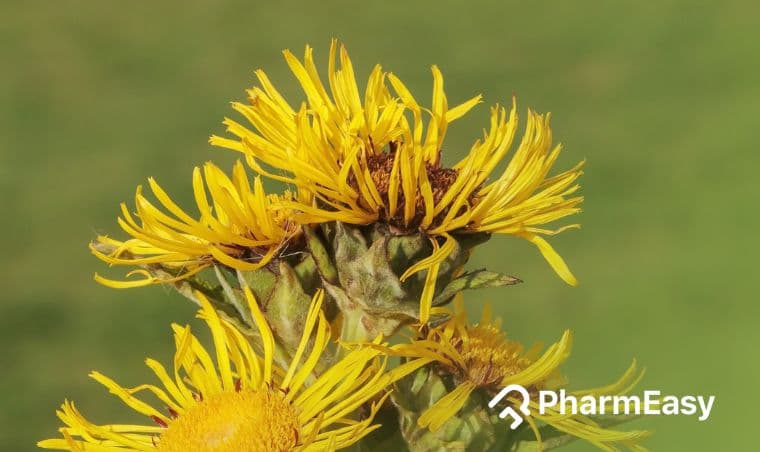
Pushkarmool (Inula racemosa): Uses, Benefits, and Side Effects
Meena, 45, a homemaker from Jaipur, noticed a persistent cough that worsened during the monsoon season. Despite trying various home remedies, the discomfort lingered, affecting her daily chores and sleep. Her grandmother suggested trying Pushkarmool, an herb steeped in Ayurvedic tradition.
Does this sound familiar? Many Indians grapple with breathing issues, especially with changing weather patterns.
Pushkarmool, scientifically known as Inula racemosa, is a perennial herb found primarily in the Himalayan regions of India, Nepal, and Pakistan. Its root is the part most commonly used in traditional medicine, particularly Ayurveda, for its potent therapeutic properties. Its efficacy in managing breathing ailments has been recognized for centuries.
Understanding Pushkarmool's Therapeutic Profile
Ayurveda classifies Pushkarmool as a 'Kashay-Madhur Ras' (astringent-sweet taste) and 'Ushna Virya' (hot potency). Its primary action is on the 'Pranavaha Srotas'—the channels related to respiration.
This means it directly impacts the lungs and the breathing tract. Its ability to pacify 'Kapha' and 'Vata' doshas makes it exceptionally useful for ailments characterized by excess mucus, inflammation, and breathing difficulties.
The root contains several active compounds, including saponins, essential oils, and bitter glycosides. These constituents contribute to its pharmacological actions, which have been explored in modern scientific research as well. Studies suggest it possesses expectorant, bronchodilator, anti-inflammatory, antispasmodic, and cardiotonic properties.
Benefits for Respiratory Health
Pushkarmool is perhaps most renowned for its benefits in breathing disorders. Its expectorant action helps in liquefying and expelling phlegm from the airways, providing relief from chest congestion.
The bronchodilator effect helps to relax the muscles around the airways, easing breathing and reducing wheezing.
- Asthma: Pushkarmool can help manage asthma symptoms by reducing airway inflammation and preventing bronchospasm. Studies published in journals like The Lancet have hinted at the potential of herbal interventions in managing chronic breathing diseases, and Pushkarmool stands out in this regard.
- Bronchitis: For both acute and chronic bronchitis, Pushkarmool helps clear mucus and soothe inflamed bronchial tubes.
- Cough: It is effective in treating various types of cough, including persistent dry coughs and coughs associated with the common cold.
- Whooping Cough (Pertussis): Its antispasmodic properties can support alleviate the severe coughing fits characteristic of this sickness.
- Pulmonary Tuberculosis: While not a cure, it can be used as an adjunct therapy to enable manage warning signs like cough and chest pain, as suggested by some Ayurvedic practitioners.
Worth knowing: The effectiveness in breathing issues is often linked to its ability to reduce the inflammatory response in the lungs, a prevalent factor in many such ailments. Over 101 million Indians have diabetes (ICMR, 2023), and while not directly related, chronic inflammation underlies many health issues, including breathing ones.
That alone changes everything.
Cardiovascular Support
Beyond its breathing applications, Pushkarmool also demonstrates significant benefits for cardiac health. It is known to strengthen the cardiac muscle and improve its pumping efficiency. Its 'Hridya' (cardiotonic) property helps in regulating heart rate and blood pressure. This makes it a useful herb for individuals experiencing:
- Heart Weakness: It helps strengthen the myocardium.
- Palpitations: By regulating cardiac rhythm.
- Angina: Its vasodilatory effect may benefit boost blood flow to the cardiac muscles, potentially easing chest pain.
Research, including preliminary studies from institutions like AIIMS, is exploring the potential of natural compounds like those found in Pushkarmool for cardiovascular protection. The International Diabetes Federation (IDF) highlights the growing burden of cardiovascular diseases alongside diabetes in India, making such natural interventions a topic of interest.
Anti-inflammatory and Analgesic Properties
Inflammation is a root cause of many chronic diseases. Pushkarmool's potent anti-inflammatory properties aid reduce swelling and pain. This action is beneficial not only for breathing ailments but also for joint pain and other inflammatory conditions. It can be applied topically or taken internally for ailments like arthritis.
Honestly, its ability to combat inflammation is a key reason for its widespread use across various ailments. The anti-inflammatory effects are attributed to compounds that inhibit the production of pro-inflammatory mediators.
It sounds simple. It rarely is.
Other Potential Benefits
Pushkarmool's therapeutic scope extends further:
- Digestive Health: It can benefit stimulate appetite and enhance digestion.
- Fever: In some traditional practices, it's used to manage fever due to its potential antipyretic properties.
- Skin Conditions: Topical applications are sometimes used for certain skin ailments, though scientific evidence is limited.
How to Use Pushkarmool
Pushkarmool is available in various forms, including powder (churna), decoction (kwath), tablets, and capsules. The dosage and form depend on the ailment being treated and the individual's constitution.
prevalent methods of use include:
- Powder (Churna): Typically taken with honey or warm water. A widespread dosage might range from 1-3 grams per day.
- Decoction (Kwath): Prepared by boiling the root in water and then straining. This is often used for more severe breathing ailments.
- Tablets/Capsules: Standardized extracts are available, making dosage more convenient.
When preparing remedies at home, like making a decoction, ensure the ingredients are sourced from reputable suppliers. This is especially important during the monsoon, when humidity can affect the quality of herbs if not stored properly.
So what does that mean for you? Understanding the right form and dosage is crucial for reaping the benefits safely. It's not uncommon for Ayurvedic practitioners to recommend specific preparations based on the season and the patient's 'Prakriti' (body type).
Potential Side Effects and Precautions
While generally considered safe when used appropriately, Pushkarmool can have side effects, particularly if taken in excessive doses or for prolonged periods.
Possible side effects include:
- Digestive Upset: Some individuals might experience nausea, vomiting, or diarrhea.
- Burning Sensation: Due to its hot potency ('Ushna Virya'), it might aggravate Pitta dosha, leading to a burning sensation in some people, especially if consumed in large quantities or by individuals with a predominant Pitta constitution.
- Allergic Reactions: Although rare, allergic reactions can occur.
Precautions to consider:
- Pregnancy and Breastfeeding: Its safety during pregnancy and lactation is not well-established. It is best to avoid its use during these periods unless specifically advised by a healthcare professional.
- Children: Use in children should be done under strict medical supervision.
- Individuals with Pitta Dominance: Those with a high Pitta constitution should use Pushkarmool cautiously due to its hot nature.
- Interactions: If you are taking other medications, especially for cardiac issues or breathing problems, consult your doctor about potential interactions.
In many cases, side effects can be minimized by starting with a low dose and gradually increasing it, and by taking it with appropriate adjuvant substances like honey, as recommended in Ayurveda. Approximately 7.5% of Indian adults experience adverse drug reactions annually, highlighting the importance of cautious medication use, including herbal remedies.
That's the part worth remembering.
Scientific Evidence and Research
Modern scientific research is increasingly validating the traditional uses of Pushkarmool. Pharmacological studies have confirmed its anti-inflammatory, bronchodilatory, and expectorant activities. For instance, research published in journals like the Journal of Ethnopharmacology has investigated its anti-asthmatic effects, identifying specific compounds responsible for its therapeutic actions.
While promising, much of the research is still in its early stages, often involving animal studies or in-vitro experiments. More large-scale human clinical trials are needed to establish definitive efficacy and optimal dosages for various ailments.
The World Health Organization (WHO) emphasizes the need for rigorous scientific validation of traditional medicines to ensure their safety and effectiveness.
The traditional practice of using herbs like Pushkarmool, especially when sitting on the floor during community gatherings or festivals, is a testament to their long-standing integration into Indian life. Understanding its scientific basis helps bridge the gap between ancient wisdom and modern healthcare.
Globally, the market for herbal medicines is growing, with projections suggesting it could reach over $150 billion by 2027, underscoring the increasing acceptance and interest in natural remedies.
Key Takeaways
- Pushkarmool (Inula racemosa) is a revered Ayurvedic herb primarily used for breathing ailments like asthma and bronchitis.
- It exhibits expectorant, bronchodilator, anti-inflammatory, and cardiotonic properties.
- Potential benefits extend to cardiac health, aiding in ailments like heart weakness and palpitations.
- While generally safe, potential side effects include digestive upset and burning sensations; use with caution during pregnancy and breastfeeding.
- Scientific research is validating traditional uses, but more clinical trials are needed.
Always consult a qualified physician before making any medical decisions.