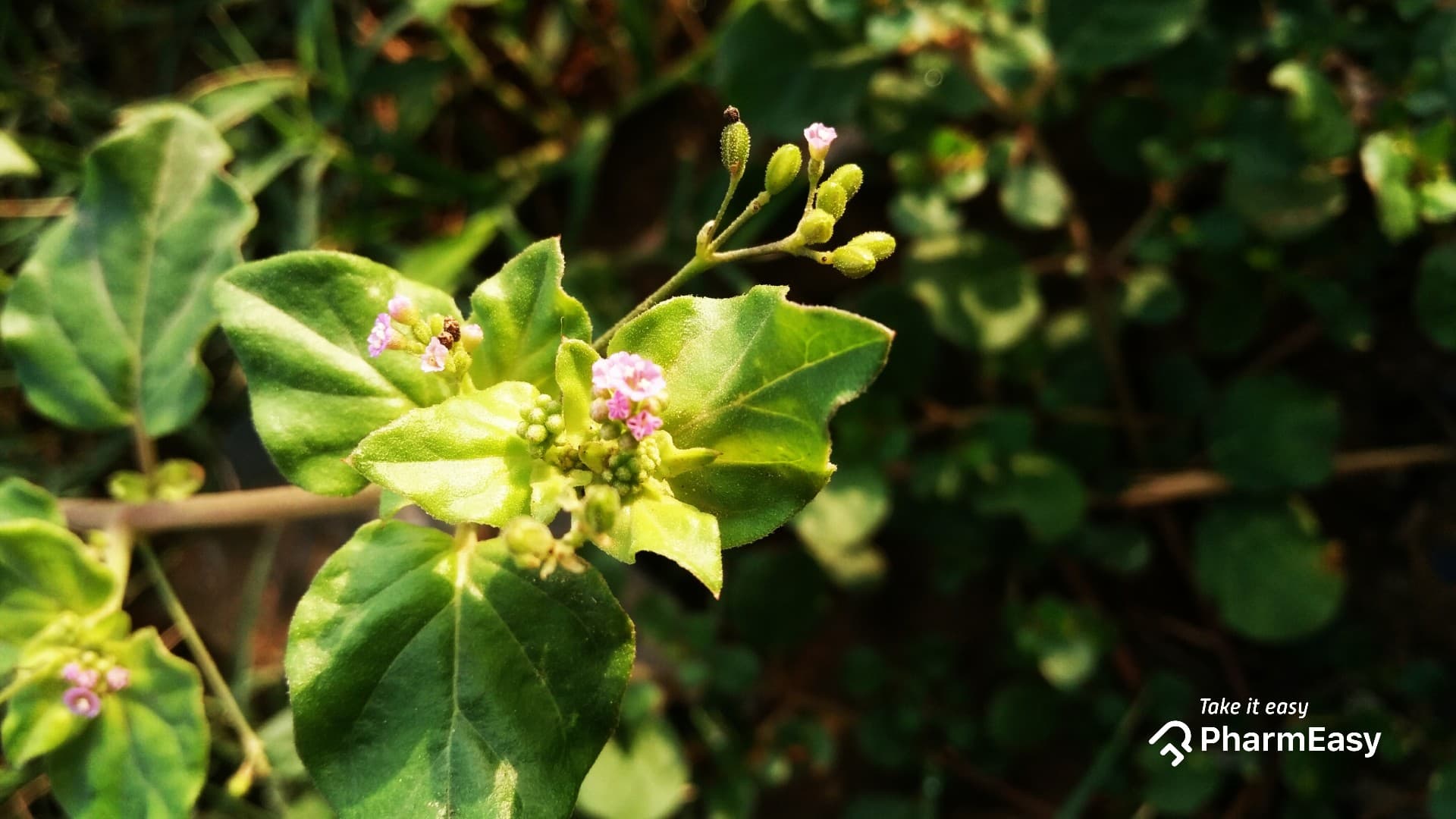
Punarnava: Nature's Fluid-Reducing and Anti-Inflammatory Marvel
Meena, 45, a homemaker from Jaipur, noticed persistent swelling in her ankles, especially after long hours of sitting on the floor during family gatherings. Her physician suggested a mild fluid-removing agent, but Meena, always keen on natural remedies, remembered her grandmother talking about a plant called Punarnava. This ancient herb, scientifically known as Boerhavia diffusa, has been a cornerstone of Ayurvedic medicine for centuries, revered for its potent therapeutic properties. Honestly, understanding its role in modern healthcare offers a fascinating glimpse into the synergy between established wisdom and contemporary science.
What Exactly is Punarnava?
Punarnava, translating to 'that which renews again', is a creeping weed found across India, often growing wild in sandy soils and neglected corners. Its name itself hints at its regenerative capabilities.
In Ayurveda, it's primarily recognized for its ability to pacify the Kapha dosha and is extensively used to manage fluid retention, urinary tract issues, and inflammatory states. Its roots, leaves, and whole plant are employed in various medicinal preparations, highlighting its versatility.
The Science Behind Punarnava's Potency
Here's the thing — while established texts extol its virtues, modern research is beginning to validate these claims with scientific evidence. Punarnava contains several active compounds, including flavonoids, alkaloids (like punarnavine), lignans, and steroids. These phytochemicals are believed to contribute to its therapeutic effects.
For instance, the presence of specific flavonoids has been linked to its antioxidant and anti-inflammatory actions, while alkaloids like punarnavine are thought to be responsible for its fluid-removing and cardiac-stimulant properties. Studies have shown Punarnava possesses significant anti-inflammatory, pain-relieving, antioxidant, liver-protecting, and kidney-protecting effects.
That alone changes everything.
Key Benefits of Punarnava
1. Fluid Removal and Kidney Support
Punarnava is perhaps most celebrated for its potent fluid-removing action. It helps increase urine output, which is crucial for flushing out toxins and excess fluid from the body. This makes it incredibly beneficial for managing states like edema (swelling) and kidney stones. In many cases, Punarnava can aid in preventing the recurrence of kidney stones by promoting the elimination of mineral salts. Its ability to support kidney function is well-documented, with research suggesting it can help protect the kidneys from damage caused by certain toxins. The World Health Organization (WHO) has recognized Boerhavia diffusa as a medicinal plant, acknowledging its established uses, including for urinary complaints.
2. Combating Inflammation
Chronic inflammation is a root cause of many modern diseases. Punarnava's anti-inflammatory properties are attributed to compounds that inhibit inflammatory pathways in the body. This makes it a valuable natural remedy for states like arthritis, gout, and other inflammatory joint disorders.
Regular consumption, as part of a carefully monitored Ayurvedic regimen, may enable reduce joint pain and stiffness. Practically speaking, for people suffering from inflammatory states, incorporating Punarnava under expert guidance could offer considerable relief.
3. Liver Protection (Hepatoprotective Effects)
The liver is our body's primary detoxification organ, and keeping it functioning well is paramount. Punarnava has demonstrated major liver-protecting effects in studies. It helps protect liver cells from damage caused by toxins, alcohol, and certain medications.
By promoting liver regeneration and improving its overall function, Punarnava can be a supportive therapy for people dealing with liver ailments. Research published in journals like 'The Lancet' has explored the ethnobotanical uses of medicinal plants, including Punarnava, for liver support.
Recovery is rarely linear.
4. Respiratory Support and Asthma Management
Traditionally, Punarnava has been used to manage respiratory states like asthma and bronchitis. Its expectorant properties enable in clearing phlegm from the airways, easing breathing difficulties.
The anti-inflammatory action also contributes to reducing airway inflammation associated with asthma. While not a cure, it can be a supportive herb in managing symptoms, particularly during the monsoon season when respiratory infections tend to surge in India.
5. Digestive Support
Punarnava can also aid in improving digestion. It helps stimulate digestive enzymes and promotes the proper functioning of the gastrointestinal tract. This can be beneficial for people experiencing indigestion, bloating, or loss of appetite. Its mild laxative effect can also aid in relieving constipation.
6. Blood Sugar Regulation
Emerging research suggests Punarnava may play a role in managing blood sugar levels. Studies have indicated that it can improve insulin sensitivity and reduce glucose absorption, making it a potential adjunct therapy for diabetes.
Given that over 101 million Indians have diabetes (ICMR, 2023), exploring natural aids like Punarnava becomes increasingly relevant, though it must be used cautiously and under medical supervision.
7. Anemia Support
Punarnava is a good source of iron and is traditionally used to combat anemia. Its ability to elevate hemoglobin levels makes it a valuable remedy for iron-deficiency anemia, a common condition, especially among women in India.
Recovery is rarely linear.
Established Uses and Cultural Context
In India, Punarnava is deeply woven into the fabric of established healthcare. Beyond its medicinal uses, it's sometimes incorporated into dietary practices or used in rituals. The preparation methods vary widely, from simple decoctions (kashayams) to powders (churna) and fermented preparations (arishtams).
Its use during festivals, where dietary habits often change drastically, might be subtly employed to aid digestion or manage fluid balance. Understanding these cultural connections enriches our appreciation of its significance.
How to Use Punarnava (Dosage and Forms)
Punarnava is available in various forms: powder, capsules, tablets, and liquid extracts. The dosage depends on the specific preparation, the person's state of well-being, and the guidance of an Ayurvedic practitioner. As a general guideline, the powder might be taken in doses of 1-3 grams, mixed with warm water or honey. Capsules typically contain standardized extracts.
It's crucial to remember that self-medication is not advised. What should you actually do? Always seek professional advice from a qualified Ayurvedic doctor or a physician knowledgeable in herbal medicine to determine the appropriate form and dosage for your needs.
That's the part worth remembering.
Potential Side Effects and Precautions
While Punarnava is generally considered safe when used appropriately, some people might experience side effects. These can include nausea, vomiting, or diarrhea, particularly with higher doses. Due to its fluid-removing effect, it can lead to dehydration if fluid intake is not adequate. Individuals with pre-existing medical states, such as heart disease, kidney disease (especially those on dialysis), or low blood pressure, should use Punarnava with extreme caution and only under strict medical supervision.
Pregnant and breastfeeding women are advised to avoid it altogether. So what does that mean for you? It means vigilance and professional guidance are non-negotiable.
Punarnava in the Modern Healthcare Landscape
The integration of established herbs like Punarnava into mainstream healthcare is a growing trend. Its efficacy, coupled with a relatively favorable safety profile (when used correctly), makes it an attractive option for complementary therapy.
Research institutions like AIIMS are increasingly involved in validating the efficacy and safety of such established remedies. The International Diabetes Federation (IDF) also notes the growing interest in plant-based interventions for metabolic disorders, where Punarnava shows promise.
Key Takeaways
- Punarnava (Boerhavia diffusa) is an Ayurvedic herb known for its fluid-removing, anti-inflammatory, and liver-protecting properties.
- It is traditionally used to manage fluid retention, kidney stones, liver disorders, and respiratory issues.
- Modern research supports its benefits in areas like inflammation reduction and potential blood sugar regulation.
- Available in various forms (powder, capsules), dosage should be determined by a qualified practitioner.
- Precautions are necessary for pregnant/breastfeeding women and individuals with certain chronic medical states.
Always consult a qualified physician before making any medical decisions.