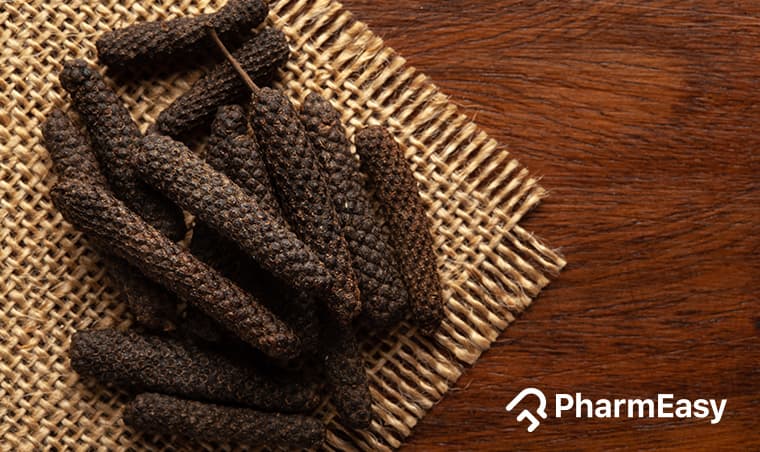
Pippali (Long Pepper): Nature's Potent Spice for Wellness
Meena, 45, a homemaker from Jaipur, noticed persistent bloating and discomfort after meals, particularly during the monsoon season when her diet often featured richer, fried foods. Traditional remedies offered little relief, and she was hesitant about Western medication. Her grandmother suggested trying Pippali, a spice she recalled from childhood.
Skeptical yet desperate, Meena added a small pinch to her evening tea. Within a week, she experienced a noticeable improvement in her digestive system. This personal experience echoes the ancient wisdom surrounding Pippali, or Long Pepper, a powerful ingredient deeply embedded in Indian culinary and medicinal traditions.
For centuries, Pippali (Piper longum) has been a cornerstone of Ayurvedic medicine, esteemed for its unique flavour profile and profound therapeutic properties. This ancient spice, distinct from the common black pepper (Piper nigrum), boasts a slightly sweeter, more pungent taste and a wealth of medicinal benefits. Its significance extends far beyond mere seasoning; it’s a potent adaptogen and a key component in numerous Ayurvedic formulations.
Understanding Pippali: The Power of Long Pepper
Pippali, frequently called Long Pepper, is a flowering vine indigenous to India. Its fruit, a slender, catkin-like spike, is dried and utilized as a spice and a medicinal herb.
The active compounds within Pippali, most notably piperine, are responsible for its characteristic pungency and therapeutic effects. Piperine, indeed, is also found in black pepper but is present in higher concentrations in Pippali, contributing to its enhanced efficacy.
Integrating Pippali into daily life can offer significant wellness advantages. Its warming nature is particularly beneficial during colder months or the dampness of the monsoon, aligning perfectly with Ayurvedic principles of seasonal wellness management.
Most people overlook this completely.
The spice's capacity to stimulate digestive fire (Agni) is central to its traditional application.
Digestive Powerhouse
One of Pippali's most celebrated uses is its ability to improve digestion. It stimulates the secretion of digestive enzymes and bile acids, aiding in the breakdown of food and enhancing nutrient absorption. This makes it invaluable for individuals experiencing indigestion, gas, bloating, and abdominal pain. Studies published in journals like the Journal of Ethnopharmacology have highlighted its carminative properties, meaning it helps expel gas from the intestines.
But why does this happen? Pippali's pungent taste and bio-active compounds work synergistically to enhance Agni, the digestive fire. When Agni is strong, the body can efficiently process food, preventing the buildup of toxins (Ama) that frequently lead to digestive complaints.
Over 101 million Indians have diabetes (ICMR, 2023), a condition often linked to metabolic wellness and digestion. While not a direct treatment for diabetes, improving digestive efficiency can contribute to better overall metabolic function.
So what does that mean for you? If you experience frequent digestive discomfort, incorporating a small amount of Pippali into your meals—perhaps in curries, soups, or even sprinkled on fruits—could offer substantial relief.
Immunity and Respiratory Health
Pippali is also a potent immunomodulator, helping to strengthen the body's natural defence mechanisms. Its rich antioxidant profile combats oxidative stress, protecting cells from damage. This immune-boosting quality is particularly relevant in India, where seasonal changes and close living conditions can increase susceptibility to infections.
That alone changes everything.
The spice has a long history of use in treating respiratory ailments. Its expectorant properties help loosen phlegm and clear congestion, making it effective for coughs, colds, asthma, and bronchitis.
The warming effect of Pippali can also soothe sore throats and ease breathing difficulties. Research indicates that compounds in Pippali can modulate the immune response, helping the body fight off pathogens more effectively.
The World Health Organization (WHO) estimates that lower respiratory infections are a leading cause of death globally, particularly in developing nations. While Pippali is not a substitute for medical intervention, its traditional use suggests a supportive role in managing these conditions.
Beyond Digestion and Immunity
The benefits of Pippali extend to various other aspects of wellness. Its anti-inflammatory properties can assist manage conditions like arthritis. Preliminary research suggests piperine may play a role in improving brain function and mood, potentially acting as a mild antidepressant.
Most people overlook this completely.
Additionally, it is believed to enhance the bioavailability of other herbs and nutrients—meaning it helps the body absorb them more effectively. This synergistic effect is a key principle in Ayurvedic polyherbal formulations.
The reality is, Pippali's impact on nutrient absorption is remarkable. For instance, it significantly enhances the absorption of curcumin, the active compound in turmeric, by as much as 2000% according to some studies published in The Lancet. This is why Pippali is a usual inclusion in Ayurvedic preparations containing turmeric.
Ayurvedic Perspective on Pippali
In Ayurveda, Pippali is classified as a pungent (Katu) and heating (Ushna) herb. It is known to balance all three doshas—Vata, Pitta, and Kapha—though it is particularly reliable in pacifying Vata and Kapha due to its warming and drying properties. Its action on Agni is central to its therapeutic value. By igniting digestive fire, it helps break down metabolic waste and toxins, promoting overall wellness and vitality.
The classical Ayurvedic text, the Charaka Samhita, extensively details Pippali's uses, recommending it for conditions ranging from respiratory issues and digestive disorders to neurological problems and even reproductive health. It is a frequent component in formulations like Trikatu (a combination of Pippali, Black Pepper, and Ginger) and Pippali Vardhamana Rasayana, a special rejuvenating formula.
Consider the practice of floor sitting, typical in many Indian homes, especially during festivals like Diwali. This requires good joint mobility and muscular strength. While Pippali isn't directly for joint wellness, its systemic anti-inflammatory effects could indirectly support joint comfort over time.
How to Use Pippali
Pippali can be used in several ways:
- Culinary Uses: Add a small pinch of dried Pippali powder to curries, stews, soups, marinades, and even fruit salads. It pairs well with warming spices like ginger, cinnamon, and cardamom. Its unique flavour can elevate both savoury and sweet dishes.
- Herbal Teas: Steep a small piece of dried Pippali or its powder in hot water to make a soothing tea. Adding honey and ginger can enhance its benefits, especially for colds and coughs.
- Ayurvedic Formulations: Pippali is a key ingredient in many Ayurvedic medicines. These are typically available in powder (churna), tablet, or capsule form. Always follow the dosage prescribed by an Ayurvedic practitioner.
The recommended dosage varies depending on the individual's constitution, the situation being treated, and the form of Pippali used. For general digestive support, a small pinch of powder (around 250-500 mg) is a usual starting point. When used in formulations like Trikatu, the dosage is determined by the overall composition.
Potential Side Effects and Precautions
While Pippali is generally safe when consumed in moderation, excessive intake can lead to certain side effects. Due to its potent heating nature, high doses may cause acidity, heartburn, or irritation of the stomach lining. Individuals with a history of ulcers or severe gastritis should exercise caution.
The numbers don't lie.
The reality is, its stimulating effect can also exacerbate Pitta dosha in sensitive individuals, leading to symptoms like burning sensations or inflammation. It's advisable for pregnant and breastfeeding women to avoid high doses unless specifically recommended by a healthcare provider.
Likewise, children should receive Pippali in very small, controlled amounts.
Here's the thing — it's crucial to source Pippali from reputable suppliers to ensure quality and purity. Adulterated products may not only be ineffective but could also pose wellness risks.
If you are undergoing management for any medical situation or are taking other medications, consult your doctor or an Ayurvedic practitioner before incorporating Pippali into your regimen.
Key Takeaways
- Pippali (Long Pepper) is a potent Ayurvedic spice with a long history of medicinal use in India.
- It significantly aids digestion by stimulating digestive enzymes and improving nutrient absorption.
- Pippali acts as an immunomodulator and is beneficial for respiratory wellness, helping with coughs and colds.
- Its anti-inflammatory properties may benefit manage conditions like arthritis.
- Excessive consumption can lead to acidity and stomach irritation; moderation is key.
Always consult a qualified physician before making any medical decisions.