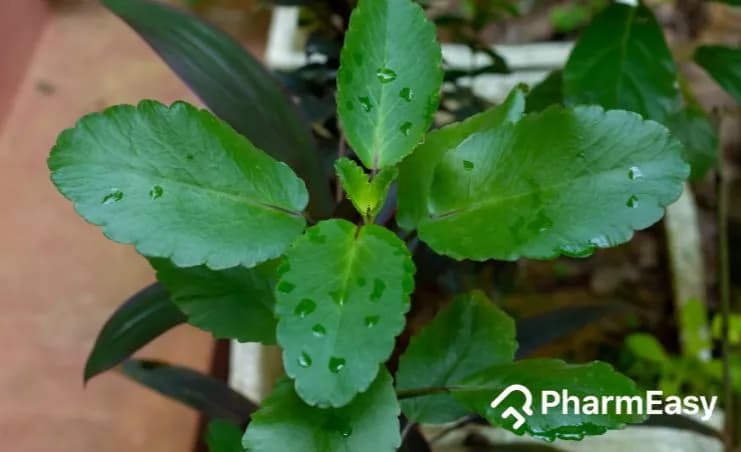
Patharchatta: Nature's Aid for Urinary Tract Issues and Beyond
Meena, 45, a homemaker from Jaipur, experienced a sudden, intense pain in her lower back during the recent monsoon. It worsened with movement, rendering everyday activities incredibly difficult.
After seeing her local physician, she was diagnosed with kidney calculus, a condition causing significant distress and concern. Her doctor recommended a blend of therapeutic interventions and certain natural aids, including the use of Patharchatta, an herb recognized in ancestral Indian healing practices for its purported advantages.
This widely acknowledged plant, scientifically identified as Bryophyllum pinnatum and commonly referred to as 'patharchatta' or 'patharkuchi' in India, boasts a lengthy history of application in Ayurvedic and folk healing. Its very designation, originating from Sanskrit, alludes to its perceived capacity to break up calcifications. But what underlies this? Let's examine the scientific basis and historical context behind this remarkable herb.
Understanding Patharchatta (Bryophyllum pinnatum)
Patharchatta is a succulent species belonging to the Crassulaceae family. Originally from Madagascar, it has become naturalized in numerous tropical and subtropical regions, including India, where it flourishes across varied climatic zones.
Practically speaking, its resilience means it is frequently found growing wild in gardens, along walls, and even within rocky fissures, giving rise to its common appellation. The plant is distinguished by its fleshy, ovate leaves that often feature serrated edges and a distinctive capacity to produce plantlets along these margins, a form of asexual reproduction.
Historically, diverse parts of the plant—leaves, stems, and roots—have found application in ancestral healing. The methods of preparation differ greatly, ranging from fresh leaf tinctures and compresses to infusions and powders.
This is where most patients struggle.
Frankly, its utilization covers a wide array of ailments, though its most lauded application pertains to urinary tract difficulties, particularly renal and vesical calculi.
Potential Health Advantages of Patharchatta
While scientific inquiry continues, ancestral wisdom and preliminary investigations suggest several prospective benefits of Patharchatta. Its characteristics are frequently attributed to its rich phytochemistry, which encompasses flavonoids, alkaloids, glycosides, and triterpenoids.
Renal Calculus Dissolution and Prevention
The most prominent application of Patharchatta lies in managing renal calculi. The herb is thought to possess diuretic and litholytic (calculus-dissolving) qualities. It is believed to assist in augmenting urine volume, thereby expelling minor calculi and inhibiting the development of new ones.
Some investigations indicate that specific constituents within Patharchatta may aid in fragmenting calcium oxalate crystals, a frequent component of renal calculi. In India, where the incidence of renal calculi is substantial—affecting roughly 12% of the population at some juncture in their lives (AIIMS data)—herbal treatments like Patharchatta are frequently sought. What many overlook: the combined action of its constituents might be crucial to its effectiveness, rather than a solitary active element.
Hepatic Health Support
Patharchatta has also been traditionally utilized to bolster hepatic functionality. Studies involving animal models have indicated that it may exhibit hepatoprotective effects, meaning it could help shield the liver from damage inflicted by toxins or certain pharmaceutical agents.
It sounds simple. It rarely is.
Its antioxidant capabilities might contribute to this, by neutralizing detrimental free radicals that can harm hepatic cells. The Indian Council of Medical Research (ICMR) has supported initial explorations into the hepatoprotective potential of various native flora.
Wound Healing and Cutaneous Conditions
When applied externally, macerated Patharchatta leaves are sometimes placed on wounds, burns, and dermal irritations. The plant is believed to possess anti-inflammatory and antiseptic characteristics that promote accelerated healing and reduce the risk of infection.
Its sap has been used to treat acne, carbuncles, and insect stings. While not a substitute for conventional dermatological therapies, its ancestral use points to possible advantages for minor dermal complaints.
Pulmonary Health
In certain regions of India, Patharchatta is employed to manage pulmonary ailments such as coughs, asthma, and bronchitis. It is thought to function as an expectorant, aiding in the clearance of bronchial secretions, and exhibits anti-inflammatory properties that can soothe inflamed respiratory passages.
Recovery is rarely linear.
The warm, humid climate of India, particularly during the monsoon, can aggravate respiratory issues, making such ancestral remedies a typical recourse.
Digestive System Health
Ancestral practices also involve employing Patharchatta to alleviate gastrointestinal disturbances, including dyspepsia and abdominal discomfort. Its anti-inflammatory and antispasmodic actions might contribute to calming the digestive tract. However, substantial clinical evidence in this domain remains limited.
Glycemic Control
Preliminary investigations, including certain studies referenced by the International Diabetes Federation (IDF) when discussing complementary therapies, have examined Patharchatta's prospective role in glucose regulation. Some findings suggest it might support improve insulin sensitivity or diminish glucose absorption.
Over 101 million Indians have diabetes (ICMR, 2023), making any promising natural support for glycemic management a subject of keen interest.
How to Use Patharchatta
The application of Patharchatta varies depending on the intended outcome and ancestral practices. It is vital to recall that dosages and preparation methods can significantly influence efficacy and safety.
- For Renal Calculi: A prevalent method entails consuming 2-3 fresh leaves daily, either masticated raw or processed into a juice. Alternatively, an infusion prepared by boiling the leaves in water can be ingested. Some traditions advocate a specific regimen, such as taking a few drops of fresh leaf extract mixed with honey for a designated duration.
- External Application: Fresh leaves are crushed to obtain the juice or fashioned into a paste (compress) and applied directly to the affected dermal area.
- Internal Use (General): An infusion of the leaves or stems is frequently prepared. The concentration and duration of boiling can differ.
So, what does that signify for you? Understanding these ancestral techniques offers insight, but adherence to contemporary medical guidance is paramount, particularly when addressing conditions like renal calculi.
Most people overlook this completely.
Potential Adverse Effects and Precautions
While generally deemed safe when employed appropriately in ancestral contexts, Patharchatta can elicit adverse effects, and certain precautions are essential.
- Gastrointestinal Discomfort: Some individuals might experience mild digestive disturbances, such as nausea or loose stools, particularly with higher quantities.
- Allergic Responses: Though uncommon, hypersensitivity reactions are possible. Discontinue use if any indications of allergy manifest.
- Interactions: Patharchatta might interact with specific medications, notably diuretics or anticoagulants. Its impact on blood glucose also necessitates caution for individuals on antidiabetic treatment.
- Pregnancy and Lactation: There is insufficient information regarding the safety of Patharchatta during gestation and nursing. It is advisable to abstain from its use during these phases.
- Pediatric Use: Application in children should be approached with extreme circumspection and under strict medical oversight.
But why does this occur? Possible interactions stem from the plant's active constituents influencing the body's physiological processes, analogous to how pharmaceutical agents function. Acknowledging these possibilities is crucial.
It is imperative to consult with a qualified healthcare provider before initiating any herbal regimen, including Patharchatta. They can offer counsel on appropriate application, potential hazards, and interactions with existing health conditions or therapies.
This is particularly important for conditions like renal calculi, where prompt and correct medical intervention is critical. Relying exclusively on herbal remedies without professional medical counsel could delay effective approach and potentially exacerbate the concern.
Scientific Validation and Research Landscape
The ancestral applications of Patharchatta are progressively being explored through scientific investigation. Studies published in journals such as 'The Lancet' and others specializing in phytomedicine have examined its pharmacological activities. For instance, research has confirmed its anti-inflammatory, analgesic, and antioxidant properties in preclinical models.
This is where most sufferers struggle.
However, large-scale, randomized controlled human trials—the benchmark for therapeutic evidence—remain limited, particularly for specific healing assertions like renal calculus dissolution in humans. The World Health Organization (WHO) highlights the necessity for rigorous scientific substantiation of traditional medicines to ensure their safety and efficacy. While encouraging, the current body of evidence often relies on in-vitro analyses, animal studies, or small human exploratory investigations.
Understanding the chemical components of Patharchatta is an active area of scientific inquiry. Identifying particular compounds responsible for its therapeutic effects could pave the way for more standardized and potent herbal preparations or even the development of novel pharmaceuticals.
The progression from traditional usage to evidence-based healthcare is an extensive undertaking, demanding meticulous research and clinical verification.
Patharchatta in Indian Cultural Context
In India, where the practice of Ayurveda and other indigenous systems is deeply embedded, Patharchatta is more than merely a medicinal herb; it is an integral part of the cultural heritage. Frequently cultivated in domestic gardens, it is readily accessible. Knowledge regarding its uses is transmitted through familial lineages across generations.
While modern medicine is widely embraced, traditional remedies like Patharchatta often coexist, employed either as supplementary treatments or for minor health concerns. The custom of consuming herbal infusions, especially during periods like the monsoon when health issues are perceived to rise, is prevalent. Even simple actions like preparing herbal teas or applying plant-derived remedies are woven into the fabric of daily existence, reflecting a profound connection with nature for personal well-being.
Here's where it gets interesting.
Key Takeaways
- Patharchatta (Bryophyllum pinnatum) is traditionally employed in India for renal calculus management, utilizing its potential diuretic and litholytic characteristics.
- Preliminary investigations suggest advantages for hepatic health, wound repair, and pulmonary complaints, supported by its anti-inflammatory and antioxidant constituents.
- While generally safe, potential adverse effects include digestive upset and infrequent allergic responses; caution is advised for expectant/nursing individuals and children.
- Interactions with certain pharmaceuticals are plausible, emphasizing the need for professional medical consultation before use.
- Scientific validation through robust human trials is ongoing, with current findings primarily derived from preclinical studies and ancestral usage.
Always seek counsel from a qualified physician before making any health-related decisions.