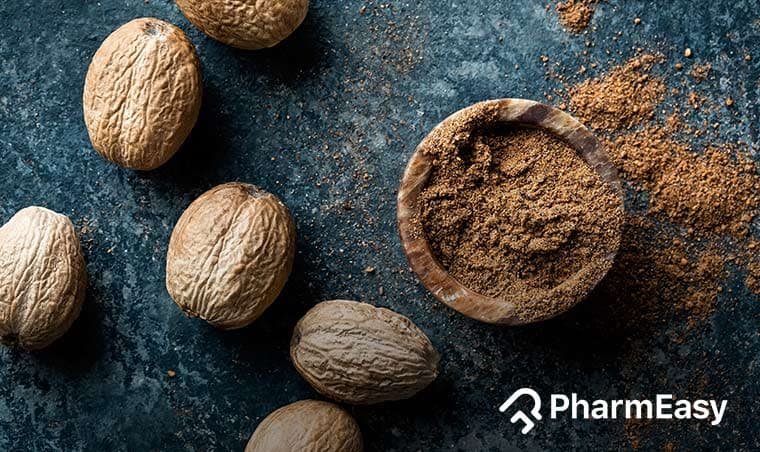
Nutmeg (Jaiphal): Unveiling the Power of India's Aromatic Spice
Meena, 45, a homemaker from Jaipur, noticed a persistent dull ache in her joints, especially during the chilly Rajasthan winters. Her grandmother, recalling age-old remedies, suggested a warm glass of milk with a pinch of nutmeg, or jaiphal, before bedtime. Skeptical but desperate for relief, Meena tried it. To her surprise, not only did her joint pain seem to ease, but she also experienced a deeper, more restful night's rest. This is just one of countless stories highlighting the profound, often understated, impact of spices like nutmeg in Indian households. Honestly, we often take these common kitchen staples for granted, overlooking their rich medicinal heritage.
Nutmeg, scientifically known as Myristica fragrans, is more than just a flavour enhancer for your festive kheer or a warming addition to winter curries. It's a treasure trove of bioactive compounds with a history of use in traditional Indian medicine, particularly Ayurveda, for centuries. Think about it this way: our ancestors intuitively understood the therapeutic promise locked within these aromatic seeds, using them to address a variety of ailments long before modern pharmaceuticals.
The Rich History and Cultural Significance of Jaiphal in India
The journey of nutmeg from the Banda Islands of Indonesia to Indian kitchens is a long and fascinating one, steeped in trade and cultural exchange. Its pungent, warm aroma and slightly sweet, nutty flavour made it a prized commodity. In India, jaiphal quickly became integrated into various culinary traditions and medicinal practices. It's commonly found in rich gravies, milk-based desserts, and spice blends like garam masala. During festivals, especially those celebrated in cooler months, its warming properties are particularly valued. The practice of grinding and adding a pinch to warm milk is a widespread cultural remedy for sleeplessness and discomfort, a testament to its perceived efficacy.
Have you ever wondered why? Its integration into the Indian pharmacopoeia wasn't accidental. Ayurvedic texts mention nutmeg for its digestive, carminative (gas-relieving), and aphrodisiac properties.
It was also used externally for pain relief. This deep-rooted cultural acceptance means that for many Indians, nutmeg is not just a spice but a familiar friend in their wellness journey.
Exploring the Potential Health Benefits of Nutmeg
While traditional uses are abundant, modern science is beginning to explore and validate some of the long-held beliefs about nutmeg's health advantages. It's crucial to understand that research is ongoing, and nutmeg should not replace conventional medical treatments. However, the promising outcomes are intriguing.
Digestive Health
In many cases, nutmeg has been traditionally used to alleviate digestive issues. Its volatile oils, such as myristicin and elemicin, are thought to possess carminative properties, helping to reduce gas and bloating. A study published in the Journal of Ethnopharmacology highlighted the promise of nutmeg in soothing gastrointestinal discomfort. For individuals experiencing indigestion after a heavy meal, a small amount of nutmeg in warm water might offer some relief. Over 70% of Indian adults report experiencing occasional digestive upset, making natural remedies like nutmeg a popular choice.
Sleep Aid
Meena's experience with improved rest is not uncommon. Nutmeg contains a compound called macelignan, which is believed to have sedative effects. It's thought to interact with neurotransmitters like serotonin and melatonin, which regulate sleep cycles.
While more human trials are needed, preliminary research suggests that a small dose may promote relaxation and improve sleep quality. This traditional remedy is still widely recommended in Indian households for insomnia, especially when related to stress or mild anxiety.
Pain Relief
The anti-inflammatory properties of nutmeg have also garnered attention. Compounds within the spice may help reduce inflammation, potentially alleviating discomfort associated with conditions like arthritis. Traditionally, a paste made with nutmeg and a carrier oil was applied topically to aching joints. While this practice requires caution and further scientific validation, the anti-inflammatory promise is an area of active research. Studies, including those published in journals like Phytotherapy Research, have explored the effects of nutmeg extracts on inflammatory markers.
Antioxidant Properties
Nutmeg is a source of antioxidants, which are vital for protecting the body against damage from free radicals. These unstable molecules can contribute to chronic diseases and aging.
The presence of compounds like phenolic acids and essential oils in nutmeg helps combat oxidative stress. The World Health Organization (WHO) emphasizes the importance of antioxidants in preventing non-communicable diseases, a growing concern globally and in India.
This is where most patients struggle.
Potential Cognitive Benefits
Emerging research suggests that certain compounds in nutmeg might have neuroprotective effects. Studies, often conducted on animal models, indicate promising outcomes for memory and cognitive function.
While this is a very preliminary area of research, it opens up exciting possibilities for the future understanding of this ancient spice. The International Diabetes Federation (IDF) notes that conditions like diabetes can impact cognitive health, making research into natural compounds that support brain function increasingly relevant.
Precautions and Safe Usage of Nutmeg
What most people miss: the potent nature of nutmeg means that more is definitely not better. While beneficial in small culinary amounts, excessive consumption of nutmeg can lead to adverse effects. This is primarily due to its psychoactive compounds, myristicin and elemicin.
Potential Side Effects of Overconsumption
Consuming large quantities of nutmeg—typically more than one or two whole nuts, or about 5-10 grams—can cause unpleasant and potentially dangerous reactions. These can include nausea, vomiting, dizziness, hallucinations, rapid heartbeat, and dry mouth.
That's the part worth remembering.
In rare, extreme cases, it has been linked to more severe neurological symptoms. Honestly, the line between a therapeutic pinch and a toxic dose is finer than many realise.
Recommended Dosage and Safe Consumption
5 grams) of ground nutmeg is usually sufficient. This amount is generally considered safe and unlikely to cause adverse reactions when incorporated into food or warm milk.
It's the quantity that matters most. Remember, even natural substances can be harmful if misused.
Interactions and Contraindications
Individuals with certain medical conditions or those taking specific medications should exercise caution. Nutmeg might interact with certain antidepressants (MAOIs) and blood thinners. Pregnant and breastfeeding women should avoid consuming nutmeg in medicinal or large doses due to potential risks.
It is always best to err on the side of caution. If you have any underlying health concerns, discussing nutmeg consumption with your doctor is paramount.
So what does that mean for you? It means enjoying the flavour and subtle advantages of nutmeg in moderation, but being acutely aware of the risks associated with excessive intake. Respecting the spice's potency is key to harnessing its positive attributes safely.
Incorporating Nutmeg into Your Diet Safely
Adding a touch of nutmeg to your daily routine can be both delicious and potentially advantageous, provided it's done mindfully. Its warm, slightly sweet flavour profile makes it versatile.
Culinary Uses
A whisper of nutmeg can elevate countless dishes. Try adding a pinch to your morning oatmeal, scrambled eggs, or pancake batter. It pairs beautifully with creamy sauces, vegetable gratins, and baked goods like custards and cakes. As mentioned, it’s a classic addition to Indian sweets like rasmalai and payasam. Even a small amount can add a layer of complexity and warmth. Over 50% of Indian households regularly use whole spices or ground spices in their daily cooking, and nutmeg can be a delightful addition to this practice.
Traditional Preparations
The age-old remedy of warm milk with a pinch of nutmeg and a touch of honey is still popular for promoting rest and aiding digestion. Some also add it to herbal teas for an extra layer of flavour and warmth, especially during the monsoon season when respiratory issues can be more prevalent.
Nutmeg vs. Other Spices: A Comparative Glance
While nutmeg offers unique advantages, it's interesting to compare it with other usual Indian spices. Turmeric, for example, is renowned for its potent anti-inflammatory compound, curcumin. Cardamom is celebrated for its digestive and breath-freshening qualities.
This is where most those affected struggle.
Ginger is a powerhouse for nausea and inflammation. Nutmeg's strength lies in its unique combination of mild sedative, digestive, and warming properties, making it distinct. Each spice has its own therapeutic profile, and a balanced approach often yields the best results.
Key Takeaways
- Nutmeg (Jaiphal) has a long history of use in traditional Indian medicine (Ayurveda) for digestive issues, sleep, and pain.
- Promising outcomes include aiding digestion, promoting sleep, possessing anti-inflammatory and antioxidant properties.
- Excessive consumption (more than 5-10 grams) can lead to serious side effects like hallucinations and rapid heartbeat.
- A small pinch (less than 1/4 teaspoon) is generally considered safe for culinary use and mild wellness advantages.
- Pregnant/breastfeeding women and those on certain medications should consult a doctor before using nutmeg medicinally.
The journey of nutmeg from a coveted spice to a kitchen staple, and its recognised therapeutic promise, underscores the wisdom embedded in traditional practices. While science continues to unravel its secrets, its place in Indian culture and cuisine remains secure. Always consult a qualified physician before making any medical decisions.