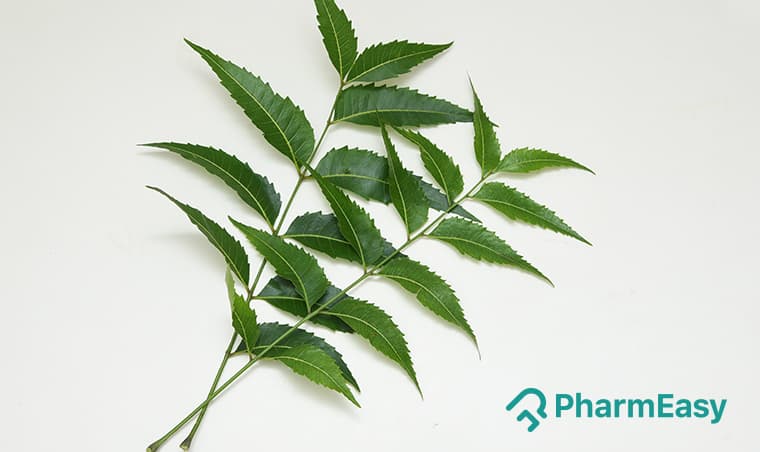
Neem: India's Ancient Elixir for Modern Wellness
Meena, 45, a homemaker from Jaipur, battled persistent acne breakouts that commercial creams couldn't conquer. Her grandmother, a firm advocate of age-old remedies, suggested a face pack made from neem.
In mere weeks, Meena’s skin cleared, leaving her astonished by the efficacy of this humble leaf. This anecdote is but one of countless tales highlighting the profound influence of neem (Azadirachta indica) on well-being in India.
For countless generations, neem has been cherished in Indian culture, deeply woven into Ayurveda and folk healing practices. Its sharp, bitter taste conceals a wealth of beneficial qualities. It’s worth noting: the neem tree is frequently called the 'village pharmacy' due to its broad utility.
The Science Behind Neem's Potency
Neem leaves, bark, seeds, and roots are abundant in beneficial plant-derived elements. These include nimbin, nimbidin, nimbinene, nibinolic acid, gedunin, mahınbinin, and azadirachtin.
These constituents display a remarkable array of beneficial actions: germ-fighting, virus-inhibiting, fungus-battling, inflammation-reducing, antioxidant effects, and even assistance in managing glucose levels. The truth is, contemporary scientific understanding is increasingly confirming what ancient Indian writings have asserted for centuries.
The numbers don't lie.
Antimicrobial Marvel
Neem's powerful germ-fighting and fungus-resisting attributes render it a formidable agent against infections. Investigations have demonstrated its effectiveness against many kinds of disease-causing microorganisms, including those implicated in skin issues, dental problems, and even more serious conditions. For instance, research published in the Journal of Ethnopharmacology has underscored neem's capacity to curb the proliferation of bacteria like Staphylococcus aureus and fungi such as Candida albicans.
Does this sound familiar? Many individuals in India grow up using neem twigs as natural toothbrushes, a practice stemming from its ability to combat oral bacteria and ward off gum disease. This straightforward yet impactful tradition emphasizes neem's long-standing contribution to maintaining oral hygiene.
Skin Saviour
For dermatological concerns, neem is nothing short of a remarkable solution. Its anti-inflammatory and antiseptic characteristics help alleviate conditions like eczema, psoriasis, and acne.
The beneficial elements within neem can diminish redness, itching, and swelling, fostering clearer, healthier skin. In numerous instances, a simple neem paste or oil infused with neem can provide substantial relief.
Consider the widespread nature of skin problems in India, often worsened by the damp monsoon climate. Neem's natural cooling and purifying qualities offer much-needed comfort. A study by the Indian Council of Medical Research (ICMR) indicated that applying neem extracts topically led to a notable decrease in acne lesions among participants.
Hair Health Enhancer
Neem also proves to be a significant aid for hair care. It combats dandruff, fortifies hair roots, and encourages hair growth.
Its antifungal attributes address the primary cause of dandruff, while its revitalizing effects can enhance scalp condition. Consistent application of neem oil or paste can result in stronger, healthier, and more lustrous hair, a welcomed benefit for many experiencing hair thinning.
That's the part worth remembering.
Blood Sugar Management
Here's an important point—neem's potential in assisting with the regulation of glucose levels is attracting considerable notice. Numerous studies propose that neem leaf extracts can improve the body's response to insulin and lower glucose readings.
The International Diabetes Federation (IDF) estimates that over 101 million individuals in India have diabetes, making natural aids like neem a subject of considerable interest. Investigations undertaken at the All India Institute of Medical Sciences (AIIMS) have explored neem's glucose-lowering effects, revealing promising findings in animal studies and preliminary human observations.
While not a substitute for standard diabetes treatment, neem might function as a beneficial complementary approach. Always seek guidance from a qualified medical practitioner before integrating neem into your glucose management regimen.
Immune System Booster
Neem is also recognized for its immune-balancing qualities. It can support empower the body's defenses to combat infections more effectively. Its antioxidant constituents neutralize harmful free radicals, safeguarding cells from damage and supporting overall bodily functions.
It sounds simple. It rarely is.
Digestive Health Support
Within traditional Indian healing practices, neem has been utilized to address various gastrointestinal discomforts. Its bitter constituents are thought to stimulate digestive juices and enhance gut well-being. Although research is ongoing, its historical application suggests a supportive role in maintaining a robust digestive system.
How to Use Neem
Neem can be integrated into your daily regimen through several methods:
- Neem Leaves: Fresh leaves can be chewed (though intensely bitter!), mashed into a paste for external application, or simmered to create a cleansing liquid.
- Neem Oil: Cold-pressed neem oil is readily accessible and can be applied externally (diluted with a carrier oil) for skin and hair concerns. It's also a common ingredient in many natural beauty products for skin and hair.
- Neem Powder: Dried neem leaves are ground into a powder and can be mixed with water to form a paste or added to facial masks and hair treatments.
- Neem Supplements: Capsules and tablets containing neem extract are available, but these should only be used under professional medical guidance.
Keep in mind, the intensity of neem's bitterness is a key indicator of its strength. During festive periods, when dietary habits may lean towards richer foods, incorporating a modest amount of neem might aid some individuals achieve better digestive balance.
Potential Side Effects and Precautions
While generally safe when used correctly, neem can lead to adverse reactions, particularly if consumed in large amounts or over prolonged durations. But why does this occur? Its potent elements can sometimes impact the liver and kidneys.
- Digestive Discomfort: Elevated doses might induce nausea, vomiting, and diarrhoea.
- Blood Sugar: For individuals managing diabetes, neem can substantially lower glucose levels. Vigilant monitoring is essential to prevent dangerously low sugar.
- Autoimmune Conditions: Those with autoimmune disorders (such as rheumatoid arthritis or lupus) should proceed with caution, as neem might overstimulate the immune response.
- Pregnancy and Lactation: Neem is typically not advised for expectant or nursing mothers due to insufficient safety evidence.
- Infants and Young Children: Refrain from administering neem internally to very young children.
It is vital to source neem products from reliable vendors to ensure purity and appropriate dosage. External application is generally considered less risky than internal consumption.
Neem's Place in Indian Culture
Beyond its therapeutic applications, the neem tree occupies a cherished position in Indian storytelling and everyday life. It symbolizes well-being, safeguarding, and purity. Resting on the cool, shaded ground beneath a neem tree is a typical sight in many Indian villages during sweltering afternoons.
This is where most patients struggle.
Its presence signifies a link to the natural world and time-honored knowledge. The WHO has acknowledged neem's potential, supporting research into its diverse applications.
The sheer prevalence of the neem tree throughout India, from city parks to rural expanses, speaks volumes about its significance. It stands as a constant, living reminder of nature's medicinal bounty.
Key Takeaways
- Neem offers potent germ-fighting, fungus-inhibiting, and inflammation-reducing qualities.
- It proves highly effective for managing skin conditions like acne, eczema, and psoriasis.
- Neem might assist in glucose regulation, but requires careful observation.
- Over 101 million Indians have diabetes (ICMR, 2023), underscoring neem's potential relevance.
- Consult a medical professional before internal use, especially with existing conditions or during pregnancy.
Always seek advice from a qualified physician before making any health-related decisions.