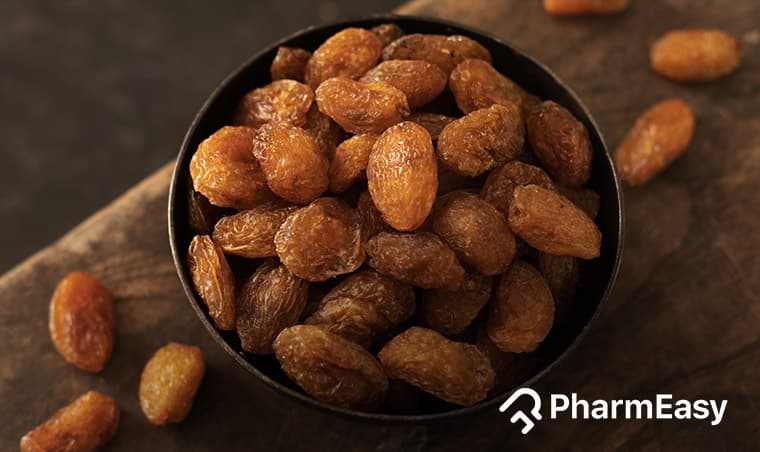
Munakka: Nature's Sweet Gem for Well-being
Meena, 45, a homemaker from Jaipur, experienced ongoing digestive discomfort and occasional indigestion. Her mother, recalling age-old remedies, suggested soaking a handful of munakka (dried grapes) overnight and eating them in the morning.
Within a week, Meena felt a significant improvement. This common scenario highlights the enduring relevance of munakka in Indian households, not just as a sweet treat but as a potent source of wellness.
Munakka, essentially dried grapes, are a staple in Ayurvedic medicine and have been cherished for centuries across India. Their natural sweetness and chewy texture make them a delightful addition to various dishes, from festive sweets to everyday snacks.
But beyond their taste, what makes these shriveled wonders so beneficial? Honestly, their nutritional profile is quite impressive.
The Rich Nutritional Profile of Munakka
These small powerhouses are packed with essential vitamins and minerals. A typical serving of munakka (about 40 grams) provides a good dose of dietary fiber, natural sugars (fructose and glucose), and various micronutrients.
This is where most patients struggle.
They are a major source of iron, crucial for preventing anemia, a condition affecting millions in India. For instance, iron deficiency anemia is estimated to affect 50% of pregnant women and 60% of adolescent girls in India, according to ICMR data.
Munakka also contains antioxidants, particularly polyphenols, which combat free radical damage in the body. They offer potassium, beneficial for maintaining healthy blood pressure, and small amounts of calcium and magnesium, important for bone health.
The energy density of munakka makes them an excellent snack for quick energy boosts, especially for those with active lifestyles or recovering from illness.
Key Well-being Benefits of Munakka
Digestive System Champion
Munakka is renowned for its laxative properties, primarily due to its high fiber content. This fiber adds bulk to the stool and stimulates bowel movements, effectively alleviating constipation. The natural sugars also have a mild laxative effect.
In many cases, incorporating munakka into your daily diet can significantly improve gut regularity. Think about it this way: a well-functioning digestive system is the cornerstone of overall well-being, influencing everything from nutrient absorption to immune function.
The numbers don't lie.
Anemia Prevention and Management
As mentioned, munakka is a good source of iron. Consuming iron-rich foods is vital, especially in a country where iron deficiency is prevalent.
Regular intake of munakka can help replenish iron stores, boosting hemoglobin levels and combating fatigue associated with anemia. The presence of Vitamin C in grapes (which remains in munakka to some extent) aids in iron absorption, making it even more effective.
Bone Strength and Vitality
While not as rich in calcium as dairy products, munakka provides a decent amount of this essential mineral, along with boron. Boron makes a real difference in calcium and magnesium absorption, both vital for strong bones.
This makes munakka a beneficial addition to the diet for maintaining skeletal vitality, particularly for individuals at risk of osteoporosis.
Cardiovascular Well-being
The potassium content in munakka helps regulate blood pressure by counteracting the effects of sodium. Additionally, the antioxidants present can enable reduce oxidative stress and inflammation, contributing to a healthier heart.
Studies published in The Lancet have repeatedly emphasized the link between dietary potassium and reduced possibility of cardiovascular diseases.
Immunity Booster
Rich in antioxidants and certain vitamins, munakka can enable strengthen the immune system. These compounds protect the body's cells from damage, enhancing the body's natural defense mechanisms against infections and diseases.
That alone changes everything.
A robust immune system is your first line of defense, especially during changing seasons or festive periods when dietary habits can fluctuate.
Eye Vitality Support
Munakka contains Vitamin A and other phytonutrients like flavonoids and polyphenols, which possess antioxidant and anti-inflammatory properties. These compounds can protect the eyes from age-related damage and optimise vision over time. Regular consumption may contribute to safeguarding your eyesight.
Potential Benefits for Diabetics (with caution)
This might seem counterintuitive, but munakka, despite its sweetness, has a relatively low glycemic index (GI) compared to refined sugars. This means it causes a slower, smaller rise in blood glucose levels. Some research suggests that compounds in grapes (and thus munakka) might even enhance insulin sensitivity. Over 101 million Indians have diabetes (ICMR, 2023), making dietary choices critical.
However, individuals with diabetes must consume munakka in very small, controlled portions and monitor their blood glucose levels closely. What should you actually do? Consult your doctor or a registered dietitian before making notable dietary changes.
Munakka vs. Raisins vs. Kishmish
Often used interchangeably, these terms refer to dried grapes, but subtle differences exist. Kishmish typically refers to smaller, lighter-colored dried grapes (often green or golden), while raisins can be a broader category.
It sounds simple. It rarely is.
Munakka, specifically, are larger, darker, and seedless dried grapes, often originating from specific grape varieties and processed in a way that retains more of their nutritional value and natural sweetness. The distinction is key, as the size and processing can influence the nutrient density and sugar concentration.
Potential Side Effects and Precautions
While generally safe, excessive consumption of munakka can lead to certain issues. The high sugar content, if consumed in large quantities, can cause weight gain and potentially increase blood glucose levels, particularly in susceptible individuals.
The fiber, while beneficial, can cause bloating, gas, or stomach upset if intake is suddenly increased.
For individuals prone to diarrhea or those with sensitive digestive systems, starting with a small portion (e.g., 4-5 pieces) is advisable. Think about it this way: introducing too much fiber too quickly can overwhelm your system.
Munakka also contains natural salicylates, which can trigger allergic reactions or worsen symptoms in individuals sensitive to them. People with certain allergies should exercise caution.
If you're used to sitting on the floor, a widespread practice in many Indian homes, and then suddenly consuming large quantities of fiber-rich foods, digestive discomfort might be more pronounced.
Precautions for Specific Groups
- Diabetics: Consume in moderation (2-3 pieces daily) and monitor blood glucose levels. Avoid if blood glucose is uncontrolled.
- Weight Management: Be mindful of portion sizes due to their high calorie and sugar content.
- Digestive Issues: Start with a small quantity and increase gradually. Soaking overnight can make them easier to digest.
- Allergies: If you have known sensitivities to salicylates or grapes, avoid or consult a doctor.
How to Consume Munakka
The versatility of munakka allows for various consumption methods. Soaking them overnight in water softens them and makes their nutrients more bioavailable, besides making them easier to digest. This is a popular method for managing constipation and improving digestion. The soaked munakka can be eaten whole, and the water can be consumed as well.
Here's where it gets interesting.
You can add them to your morning oatmeal, yogurt, or cereal for added sweetness and nutrients. Incorporating them into ladoos, barfis, and other traditional Indian sweets is typical, especially during festivals like Diwali or Holi, where rich, sweet foods are customary.
They can also be added to savory dishes like pulao or biryani for a hint of sweetness and texture. Even a simple handful as an afternoon snack provides sustained energy.
Expert Recommendations and Research Insights
The World Health Organization (WHO) emphasizes the importance of dietary fiber for preventing chronic diseases. Munakka, being rich in fiber, aligns with these recommendations.
Research published in journals like the Indian Journal of Endocrinology and Metabolism often explores the role of dried fruits in metabolic vitality. While the potential benefits for blood glucose management are being studied, the consensus from institutions like the International Diabetes Federation (IDF) is that all sugars, even natural ones, should be consumed judiciously.
The reality is, balancing the benefits of nutrient-dense foods like munakka with potential risks requires a personalized approach. What works for one person might not work for another. The key lies in moderation and understanding your own body's response.
Frequently Asked Questions (FAQs)
Can I eat munakka daily?
Yes, in moderation. A daily intake of 4-6 pieces is generally considered safe and beneficial for most people. However, individuals with specific vitality conditions like diabetes should consult their doctor for personalized advice.
Here's where it gets interesting.
Is munakka good for weight loss?
Munakka can be part of a weight loss diet if consumed in controlled portions. Its fiber content promotes satiety, potentially reducing overall calorie intake. However, due to its natural sugars and calories, overconsumption can hinder weight loss efforts.
When is the best time to eat munakka?
Soaked munakka in the morning on an empty stomach is often recommended for digestive benefits. They can also be consumed as a healthy snack between meals to curb hunger and provide energy.
Are there any specific precautions during monsoon?
During the monsoon season, there's a higher possibility of fungal infections. Ensure your munakka is stored properly in airtight containers in a cool, dry place to prevent spoilage. Consuming them soaked can also be beneficial during this time.
Embrace Munakka Mindfully
Munakka offers a delightful blend of taste and vitality benefits, from aiding digestion and preventing anemia to supporting bone and heart vitality. Its rich nutritional profile makes it a valuable addition to the Indian diet. However, like any food, moderation is key.
Understanding its potential side effects and taking necessary precautions ensures you can reap its rewards without adverse effects. Always consult a qualified physician before making any medical decisions.
Most people overlook this completely.
Key Takeaways
- Munakka is rich in fiber, iron, and antioxidants, offering digestive, anti-anemic, and immunity-boosting benefits.
- It aids in preventing constipation and can contribute to bone and heart vitality due to its mineral content.
- While potentially beneficial for diabetics due to a low GI, consumption must be strictly moderated and monitored.
- Excessive intake can lead to weight gain, digestive upset, or blood glucose spikes.
- Soaking munakka overnight enhances digestibility and nutrient absorption, making it ideal for morning consumption.