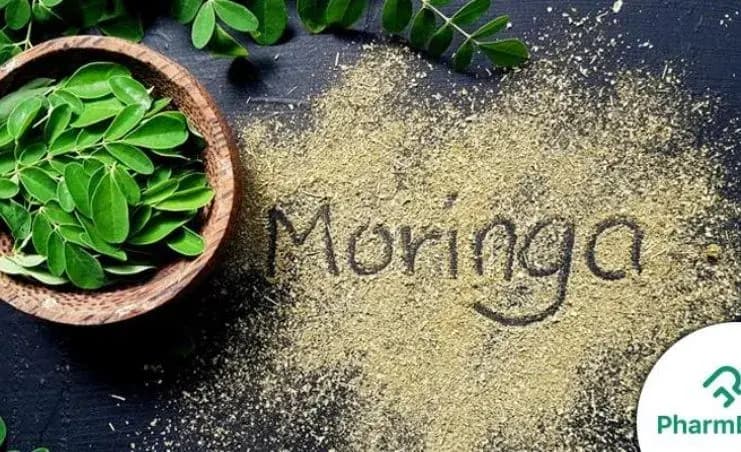
Moringa: Nutritional Power That You Should Know
Meena, 45, a homemaker from Jaipur, noticed persistent fatigue and frequent infections. Her doctor suggested incorporating nutrient-dense foods into her diet. Remembering her grandmother’s use of drumstick leaves, Meena decided to explore their advantages.
” Its leaves, pods, and seeds have been revered for centuries in Ayurvedic medicine for their therapeutic properties. Honestly, the sheer nutritional density packed into these humble green leaves is astonishing, making them a true gift from nature.
Nutritional Powerhouse: A Closer Look
What exactly makes moringa so special? Its nutritional profile reads like a multivitamin. A single serving (about 1 cup of fresh leaves) provides a significant amount of essential vitamins and minerals. These leaves are remarkably rich in Vitamin A, crucial for vision and immune function.
They also offer substantial amounts of Vitamin C, a potent antioxidant that supports skin health and immunity. Moringa is a good source of calcium, important for bone health, and potassium, which helps regulate blood pressure. The presence of iron is also noteworthy, particularly for individuals prone to anaemia. In many cases, the iron content in moringa can be better absorbed due to the high Vitamin C levels, a synergistic effect that enhances bioavailability.
The numbers don't lie.
Worth knowing: The leaves contain all nine essential amino acids, making them a complete protein source, which is quite rare for a plant. This is especially beneficial for vegetarians and vegans looking to meet their protein requirements.
4 grams per 100 grams of dried leaves, according to studies cited by the Food and Agriculture Organization (FAO) of the United Nations. This surpasses many other leafy greens in terms of protein density.
Potential Health Benefits: Backed by Science
The traditional uses of moringa are increasingly being validated by modern scientific investigation. The antioxidant and anti-inflammatory properties of moringa are perhaps their most celebrated advantages. They are packed with compounds like flavonoids, polyphenols, and ascorbic acid, which combat oxidative stress caused by free radicals in the body.
Oxidative stress is linked to chronic diseases such as heart disease, type 2 diabetes, and certain cancers. The International Diabetes Federation (IDF) estimates that over 101 million people in India have diabetes (ICMR, 2023), a statistic that underscores the importance of dietary interventions that can help manage blood sugar levels and reduce the risk of complications.
This is where most patients struggle.
Blood Sugar Management
Studies suggest that moringa may enable lower blood sugar levels. Compounds like isothiocyanates in moringa are thought to be responsible for this effect. Investigation published in journals like *Phytotherapy Research* has shown promising results in animal studies and some human trials, indicating a potential role for moringa in managing diabetes.
While not a replacement for medication, incorporating moringa into a balanced diet could be a supportive measure. So what does this mean for you? It means exploring natural dietary additions that might contribute to better metabolic health.
Cholesterol Control
High cholesterol levels are a marked possibility factor for heart disease. Moringa has demonstrated cholesterol-lowering effects in several studies. Its plant sterols and fibre content may contribute to reducing the absorption of cholesterol in the gut.
A meta-analysis published in the *Journal of the American Heart Association* indicated that plant-based diets are associated with lower LDL cholesterol levels. Moringa, as a plant-based nutrient source, aligns with these findings, potentially offering a natural way to support cardiovascular health.
Most people overlook this completely.
Anti-inflammatory Effects
Chronic inflammation is at the root of many diseases, from arthritis to heart disease. Moringa contains compounds like isothiocyanates, flavonoids, and phenolic acids that possess marked anti-inflammatory properties.
Investigation from institutions like the National Institute of Health (NIH) has explored these properties, suggesting that moringa can enable suppress inflammatory pathways in the body. This makes it a valuable addition for individuals suffering from inflammatory conditions.
Antioxidant Powerhouse
The high concentration of antioxidants in moringa is truly remarkable. These compounds neutralize harmful free radicals, protecting your cells from damage.
This protective action can contribute to slowing down the aging process and reducing the danger of chronic diseases. The antioxidant capacity of moringa is comparable to other well-known antioxidant-rich foods like spinach and blueberries, as evidenced by ORAC (Oxygen Radical Absorbance Capacity) scores.
Cultural Significance and Usage in India
In India, the drumstick tree is a familiar sight, often grown in backyards and village outskirts. Its versatility is well-known; the tender pods are used in curries and sambar, especially during the monsoon season when fresh vegetables might be scarce. The leaves, however, are sometimes overlooked by younger generations.
Most people overlook this completely.
Traditionally, they were pounded into a paste, sautéed with spices, or added to lentil dishes. Floor sitting, a common practice in many Indian homes, often involves preparing and sharing meals together, and moringa could easily be incorporated into everyday cooking. The vibrant green leaves, when cooked, lose some of their pungent flavour and adopt a mild, spinach-like taste.
Worth knowing: Many Indian households continue to use moringa, especially in South Indian cuisine, where it is a staple in dishes like 'murungai keerai poriyal' (a sautéed drumstick leaf preparation). The wisdom of our ancestors in utilising every part of this tree for health and nutrition is increasingly being recognised globally.
How to Incorporate Moringa into Your Diet
Adding moringa to your meals is surprisingly simple. Fresh leaves can be washed thoroughly and added to soups, stews, curries, and stir-fries during the last few minutes of cooking. They wilt quickly and impart a mild, earthy flavour. If fresh leaves are unavailable, moringa powder is an excellent alternative.
This concentrated powder can be easily stirred into smoothies, juices, yogurt, oatmeal, or even sprinkled over salads and roasted vegetables. Think about it this way: it’s a convenient way to boost the nutritional content of almost any meal. For those looking for a more direct approach, moringa tea can be brewed using dried leaves or the powder. A daily cup can contribute to your overall nutrient intake.
Here's where it gets interesting.
Honestly, the versatility of moringa powder means you can sneak its advantages into almost anything without drastically altering the taste. Some people even add it to their atta (flour) when making rotis or parathas, subtly enhancing the nutritional value of this staple Indian bread.
Dosage and Precautions
While moringa is generally safe for most people, moderation is key. Starting with a small dose, such as half a teaspoon of powder or a small handful of fresh leaves per day, is advisable. Gradually increase the intake as your body adjusts.
Pregnant and breastfeeding women should consult their healthcare provider before consuming moringa, as there is limited investigation on its effects during these sensitive periods. Individuals on blood-thinning medication should also exercise caution and consult their doctor, as moringa may have mild anticoagulant properties. Remember, it is a powerful natural supplement, not a magic cure.
But why does this happen? Understanding potential interactions and individual sensitivities is crucial for safe and effective use. Always listen to your body and seek professional advice if you experience any adverse reactions.
Recovery is rarely linear.
Scientific Backing and Global Recognition
The scientific community has increasingly recognised moringa's potential. The World Health Organization (WHO) has highlighted moringa as a potential aid in combating malnutrition, particularly in developing countries, due to its rich nutrient profile.
Investigation continues to explore its therapeutic applications, with studies appearing in reputable journals like *The Lancet* and those indexed by PubMed. Institutions like the Indian Council of Medical Research (ICMR) also support investigation into indigenous plant-based remedies, acknowledging the vast potential of plants like Moringa oleifera.
The global demand for moringa products, from leaves and powders to capsules, has surged, reflecting a growing awareness of its health advantages. This plant, once a humble backyard tree in many parts of India, is now recognised as a global superfood.
Its journey from traditional medicine cabinets to international health and wellness markets is a testament to its enduring efficacy.
Key Takeaways
- Moringa leaves are exceptionally rich in vitamins (A, C), minerals (calcium, iron, potassium), and complete protein.
- They possess powerful antioxidant and anti-inflammatory properties, potentially aiding in chronic disease prevention.
- Studies suggest moringa may contribute to better blood sugar and cholesterol management.
- Moringa can be easily incorporated into the diet as fresh leaves, powder, or tea.
- Moderation is advised, and consultation with a healthcare provider is recommended for pregnant women, breastfeeding mothers, and individuals on medication.
Always consult a qualified physician before making any medical decisions.