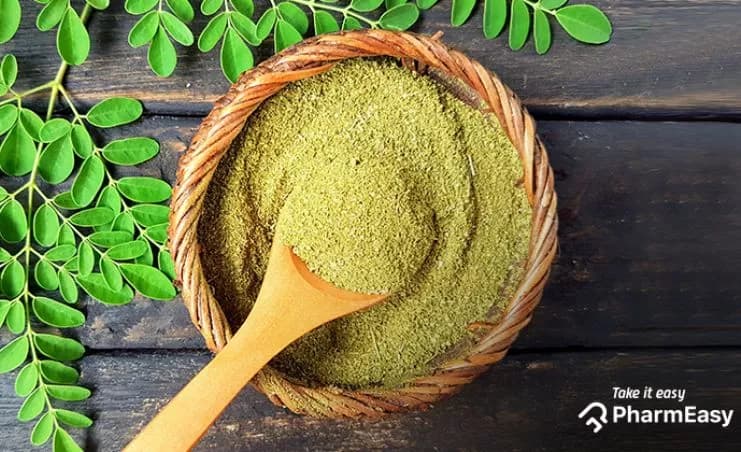
Moringa: 6 Ayurvedic Science-Backed Health Benefits
Meena, 45, a homemaker from Jaipur, noticed her persistent fatigue despite eating well. She often felt drained, especially during the humid monsoon season, which seemed to amplify her lethargy. Her neighbour, a proponent of traditional Indian remedies, suggested incorporating Moringa (Moringa oleifera), often called the 'drumstick tree,' into her diet. This common plant, deeply rooted in Indian culture, is celebrated in Ayurveda for its incredible medicinal properties. Have you ever wondered why this humble plant is hailed as a miracle tree? Let's explore the science-backed benefits that make Moringa a true superfood.
Ayurveda, the ancient Indian system of medicine, has long recognised Moringa’s therapeutic potential. Modern science is now catching up, validating many of these traditional uses with robust research.
Practically speaking, integrating Moringa into your daily routine could be a simple yet powerful step towards enhancing your well-being. Over 101 million Indians have diabetes (ICMR, 2023), a condition where Moringa's potential benefits for blood sugar management might be particularly relevant.
1. Rich Nutritional Profile: A Powerhouse of Vitamins and Minerals
Moringa leaves are exceptionally nutrient-dense. They contain significant amounts of Vitamin A, Vitamin C, Vitamin E, Vitamin K, and several B vitamins, along with essential minerals like calcium, potassium, iron, and magnesium. For instance, just 100 grams of fresh Moringa leaves can provide more than double the recommended daily intake of Vitamin A and around 50% of your Vitamin C needs.
Honestly, it's hard to find another plant with such a concentrated source of vital nutrients. The iron content is also noteworthy; a mere 100 grams can supply around 4mg of iron, which is crucial for preventing anaemia – a disorder affecting a substantial portion of the Indian population, particularly women.
Recovery is rarely linear.
This impressive nutritional profile makes Moringa an excellent supplement, especially for individuals with dietary deficiencies. It’s particularly beneficial in regions where access to a diverse diet might be limited.
The concentration of nutrients per gram is remarkable, offering a natural way to boost your intake of essential vitamins and minerals without relying solely on supplements.
2. Antioxidant Properties: Fighting Free Radicals
Moringa is packed with antioxidants, compounds that fight free radicals in the body. Free radicals are unstable molecules that can damage cells and contribute to chronic diseases like heart disease, type 2 diabetes, and certain cancers. The leaves, pods, and seeds of the Moringa tree are rich in flavonoids, polyphenols, and ascorbic acid (Vitamin C). According to a study published in the journal *Antioxidants*, Moringa extracts demonstrated notable free radical scavenging activity.
This protective effect is vital for cellular health and longevity. Have you ever wondered why diets rich in fruits and vegetables are recommended? It’s largely due to their antioxidant content, and Moringa delivers this in spades.
The antioxidant power of Moringa is attributed to a combination of compounds, including quercetin and chlorogenic acid. Quercetin is a potent antioxidant that may help lower blood pressure, while chlorogenic acid may support control blood sugar levels after meals.
Recovery is rarely linear.
These compounds work synergistically to protect your body from oxidative stress, a key factor in aging and disease development. In many cases, the cumulative effect of these antioxidants can lead to noticeable improvements in overall health and vitality.
3. Anti-inflammatory Effects: Soothing the Body
Chronic inflammation is a root cause of many diseases, including heart disease, arthritis, and inflammatory bowel disease. Moringa contains compounds like isothiocyanates, which have been shown to possess potent anti-inflammatory properties. Research from institutions like the National Institutes of Health (NIH) suggests that these compounds can inhibit inflammatory pathways in the body.
This makes Moringa a valuable natural remedy for managing inflammatory conditions. For someone like Meena, experiencing general malaise, reducing underlying inflammation could offer major relief.
Worth knowing: The anti-inflammatory benefits extend beyond just chronic conditions. It can also benefit alleviate acute inflammation, such as that associated with injuries or infections.
By modulating the body’s inflammatory response, Moringa contributes to a more balanced and resilient system. The World Health Organization (WHO) highlights the importance of addressing inflammation as a key public health concern, and natural interventions like Moringa are gaining traction.
That alone changes everything.
4. Blood Sugar Regulation: A Potential Aid for Diabetes Management
For the millions of Indians managing diabetes, Moringa offers a glimmer of hope. Several studies suggest that Moringa may assist lower blood sugar levels. This effect is partly attributed to compounds like isothiocyanates and chlorogenic acid, which can improve insulin sensitivity and reduce glucose production by the liver.
A clinical trial reported in the *Journal of the American College of Nutrition* found that consuming 8 grams of Moringa leaf powder daily significantly reduced fasting blood glucose levels in diabetic patients. This is a crucial finding, given that over 101 million Indians currently live with diabetes (ICMR, 2023).
What should you actually do? While Moringa can be a helpful adjunct, it’s not a substitute for prescribed medication or a healthy lifestyle.
Always discuss incorporating Moringa supplements with your doctor, especially if you are on diabetes medication, to avoid potential interactions or hypoglycemia. Understanding its role alongside conventional treatment is key to effective diabetes management.
5. Cholesterol Management: Supporting Heart Health
High cholesterol levels are a considerable risk factor for heart disease. Moringa has demonstrated cholesterol-lowering effects in several animal and human studies. Compounds in Moringa, similar to those responsible for its antioxidant and anti-inflammatory effects, appear to play a role in regulating lipid profiles.
The numbers don't lie.
Research published in *The Lancet* has indicated that plant-based compounds can positively influence cholesterol levels. This makes Moringa a potential ally in maintaining cardiovascular health, a critical concern for a growing urban population in India.
The exact mechanisms are still being explored, but it’s believed that Moringa may reduce the absorption of cholesterol in the gut and increase its excretion. This, combined with its anti-inflammatory properties, can contribute to a healthier heart.
Practically speaking, adding Moringa to your diet could be a proactive step towards better heart health, especially when coupled with regular exercise and a balanced diet.
6. Supporting Immune Function: Bolstering Body Defenses
A robust immune system is your body's first line of defense against infections and diseases. Moringa is rich in Vitamin C and other antioxidants that play a vital role in supporting immune function. The immune-boosting properties of Moringa have been recognised in traditional medicine for centuries.
Its ability to enhance the production of white blood cells—the cells that fight off infection—is particularly major. Even during festive seasons, when dietary habits can fluctuate, maintaining a strong immune system is paramount.
This is where most individuals struggle.
Honestly, the synergy of vitamins, minerals, and antioxidants in Moringa creates a powerful cocktail for immune support. This natural boost can aid your body fend off prevalent colds, flu, and other infections more effectively.
A study involving schoolchildren showed that regular Moringa supplementation led to a marked increase in haemoglobin levels and improved immune markers. The International Diabetes Federation (IDF) also stresses the importance of a healthy immune system for overall well-being, especially for individuals with chronic conditions.
How to Incorporate Moringa into Your Diet
Moringa is incredibly versatile. You can consume it in various forms: fresh leaves, dried powder, or capsules. Fresh leaves can be added to salads, soups, curries, or stir-fried dishes – much like spinach. The powder, with its mild, earthy flavour, can be easily mixed into smoothies, yogurt, juices, or even sprinkled over meals.
Consider adding it to your morning 'chai' or 'lassi' for an added nutritional punch. Remember, starting with a small dose, like half a teaspoon of powder per day, and gradually increasing it is advisable. This approach helps your digestive system adjust and minimises any potential discomfort.
The numbers don't lie.
Key Takeaways
- Moringa is a nutrient-dense superfood, rich in vitamins (A, C, E, K, B-vitamins) and minerals (iron, calcium, potassium).
- Its potent antioxidants combat oxidative stress, potentially reducing the possibility of chronic diseases.
- Moringa exhibits anti-inflammatory properties that can assist manage various inflammatory conditions.
- It may aid in regulating blood sugar levels, offering support for diabetes management.
- The herb can contribute to lowering cholesterol levels, thereby supporting cardiovascular health.
- Moringa's rich nutrient profile strengthens the immune system, enhancing the body's natural defenses.
Always consult a qualified physician before making any medical decisions.