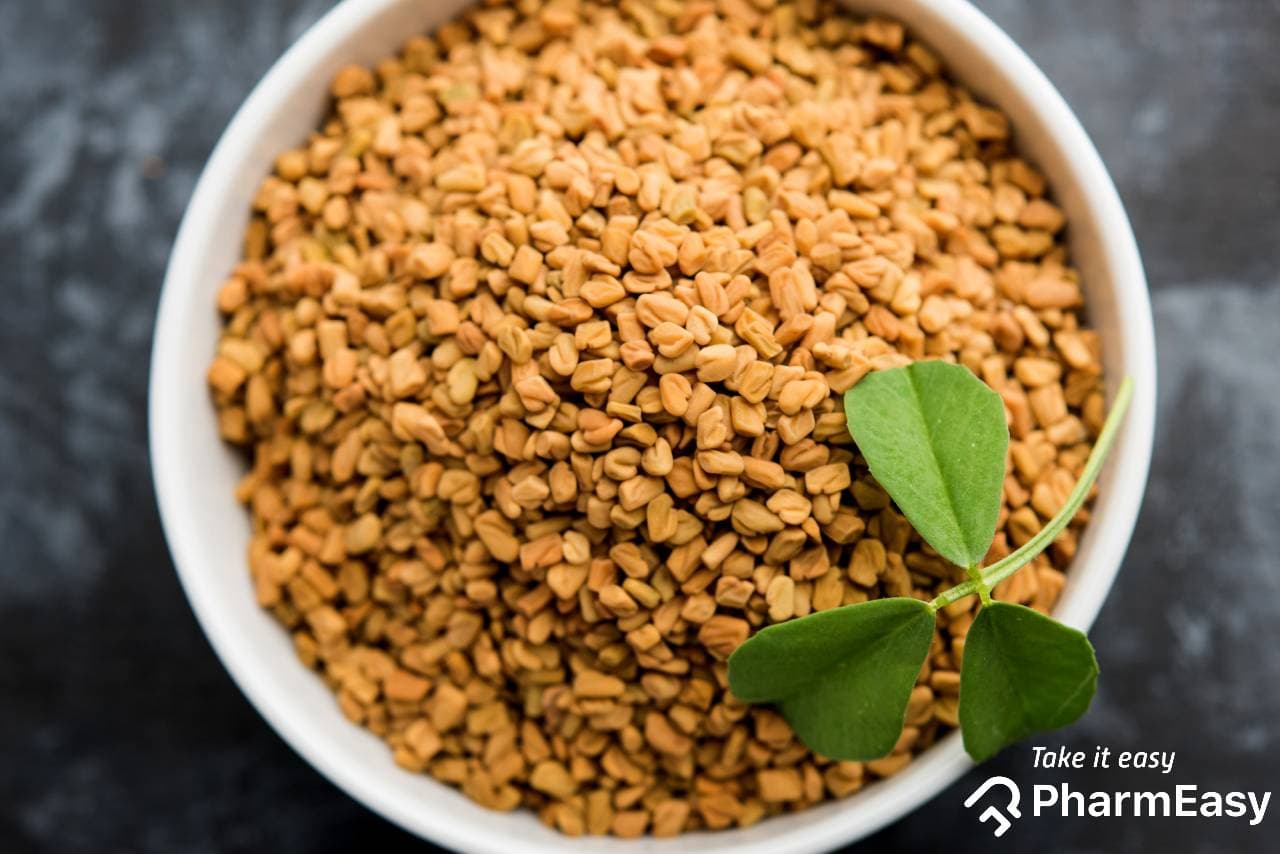
Methi (Fenugreek): Nature's Gift for Holistic Well-being
Meena, 45, a homemaker from Jaipur, noticed her glucose readings gradually increasing. Concerned, she recalled her grandmother’s time-tested remedy: a daily spoonful of soaked methi seeds. This ancestral knowledge, often overlooked in our hurried existence, possesses profound benefits for physical condition.
Methi, also known as fenugreek, is more than just a seasoning; it's a nutritional powerhouse recognised for centuries in Ayurvedic and Unani traditions. Truly, its utility extends well beyond enhancing the flavour of our curries and parathas. Have you ever pondered why this unassuming seed is so highly valued in Indian homes?
Fenugreek's progression from ancient medical literature to contemporary discussions on physical disorder underscores its lasting importance. The International Diabetes Federation (IDF) reports that India ranks second globally for its adult population living with diabetes, exceeding 101 million individuals affected (ICMR, 2023). Within this landscape, understanding natural aids like methi becomes especially pertinent. What many overlook is the sheer volume of scientific investigation supporting these traditional applications. This small seed, scientifically identified as Trigonella foenum-graecum, offers an impressive spectrum of therapeutic properties.
The Nutritional Composition of Methi
Appreciating methi's advantages starts with acknowledging its abundant nutritional makeup. A typical portion of fenugreek seeds provides a wealth of essential vitamins, minerals, and dietary fibre. 4 grams of protein.
It also delivers a good quantity of iron, manganese, and magnesium. This remarkable profile forms the basis for its extensive physical concern advantages.
Beyond the primary macronutrients, fenugreek seeds are replete with potent plant constituents, including alkaloids, flavonoids, and saponins. These phytochemicals are largely accountable for the medicinal effects associated with fenugreek. For example, saponins are thought to play a significant role in fenugreek's capacity to reduce glucose and cholesterol concentrations. The presence of 4-hydroxyisoleucine, an amino acid unique to fenugreek, is also a key element in its glucose-lowering capabilities, as indicated in research published in journals such as The Lancet Diabetes & Endocrinology.
Methi's Remarkable Physical concern Benefits
1. Glucose Level Regulation
Arguably, methi's most lauded advantage is its potential to assist in managing glucose readings, making it an essential support for individuals with diabetes or prediabetes. The fibre content, particularly soluble fibre, decelerates the uptake of carbohydrates and sugars in the alimentary canal. What's more,, compounds like 4-hydroxyisoleucine can boost insulin sensitivity and secretion.
Here's where it gets interesting.
Studies have demonstrated notable reductions in fasting blood glucose and HbA1c levels among participants consuming fenugreek supplements. In numerous instances, this natural intervention can complement standard medical therapies prescribed by physicians at facilities like AIIMS.
Meena’s personal experience serves as evidence of this. Following the consistent inclusion of soaked methi seeds in her morning regimen for three months, she observed a tangible improvement in her vitality and a stabilisation of her glucose measurements.
This is not a miraculous remedy, but rather a supportive dietary measure. Keep in mind, managing diabetes necessitates a comprehensive approach, encompassing diet, physical activity, and consistent medical oversight.
2. Digestive Well-being Enhancer
The substantial fibre content in methi also renders it an effective aid for various digestive complaints. Its mucilaginous quality helps to calm the stomach lining, proving beneficial for issues like acidity, heartburn, and indigestion.
That alone changes everything.
Fenugreek seeds can also function as a gentle aperient, encouraging regular bowel movements and aiding in the prevention of constipation. This effect is particularly valuable during the monsoon season when digestive disturbances can be more prevalent due to shifts in food and water quality.
Additionally, methi may foster the proliferation of beneficial gut flora, contributing to a more robust gut microbiome. A balanced gut is increasingly associated with overall vitality, influencing everything from immune function to mood.
Does this sound familiar? Many individuals in India experience digestive discomfort, and methi presents a straightforward, natural solution readily available in most kitchens.
3. Cardiovascular Support
Fenugreek has shown a favourable influence on cardiovascular well-being. Research indicates it can help lower LDL (undesirable) cholesterol and triglyceride levels while potentially elevating HDL (desirable) cholesterol.
This lipid-lowering outcome is attributed to the presence of saponins, which may hinder cholesterol absorption in the intestines. Maintaining appropriate cholesterol levels is critical for preventing heart ailments, a primary cause of mortality in India.
The numbers don't lie.
The potential hypotensive (blood pressure-reducing) effects of fenugreek further contribute to its cardiovascular benefits. By assisting in the regulation of blood pressure and improving lipid profiles, methi acts as a protective agent for the heart.
The World Health Organization (WHO) consistently highlights the escalating burden of cardiovascular diseases in South-East Asia, making dietary interventions such as incorporating fenugreek increasingly vital.
4. Lactation Assistance
For generations, methi has been traditionally employed as a galactagogue – a substance that aids in increasing milk production among nursing mothers. The phytoestrogens and diosgenin found in fenugreek are believed to stimulate milk flow.
While scientific substantiation is still developing, many mothers report positive experiences. If you are a new mother in India, you might have encountered suggestions from relatives for methi ladoos or soups to support lactation.
This is where most patients struggle.
It is important for new mothers to approach such remedies with awareness. Although generally safe, it is always advisable to discuss any dietary modifications or supplements with your healthcare provider, especially if you have pre-existing physical issue issues or are undergoing treatment.
5. Additional Potential Advantages
The benefits of methi extend to other domains as well. Some investigations suggest it may possess anti-inflammatory and antioxidant properties, assisting the body in combating oxidative stress and chronic inflammation. Its potential role in managing symptoms of polycystic ovary syndrome (PCOS), such as hormonal equilibrium and insulin resistance, is also an area of ongoing scientific inquiry.
On top of that,, fenugreek has been explored for its benefits in alleviating menstrual discomfort and enhancing libido. The sheer breadth of its applications is quite remarkable.
Methods for Incorporating Methi
Integrating methi into your dietary regimen is uncomplicated and can be achieved through several approaches:
- Soaked Seeds: The most prevalent method involves soaking 1-2 teaspoons of methi seeds in a glass of water overnight. Consume the water and the seeds in the morning on an empty stomach. This is precisely what Meena did.
- Cooked Seeds: Methi seeds can be lightly toasted and ground into a powder (methi chooran) or added whole to dishes such as curries, sabzis, and dals. Roasting diminishes their inherent bitterness.
- Methi Leaves (Kasuri Methi): Dried fenugreek leaves, known as kasuri methi, are a favoured flavour enhancer in North Indian cooking. They impart a distinct aroma and taste to gravies and vegetable preparations. Fresh methi leaves (menthi kura in Telugu) are also widely utilised in culinary preparations, especially during cooler periods.
- Supplements: Fenugreek is available in capsule or tablet form. These standardised supplements offer a convenient way to obtain a consistent intake, but always adhere to the dosage guidelines or consult a medical professional.
Dosage Recommendations
There is no universally applicable dosage for methi. For general physical disorder benefits, consuming 1-2 teaspoons of seeds daily (either soaked or cooked) is often advised. For specific therapeutic aims, such as glucose level management, dosages typically range from 5 to 25 grams of fenugreek powder per day, frequently divided into multiple administrations. This dosage range is substantiated by various clinical investigations, including those published in the Journal of the American College of Nutrition.
Nevertheless, it is imperative to commence with a lower quantity and gradually increase it to gauge tolerance. Excessive consumption can lead to digestive discomfort.
Always seek guidance from a qualified medical practitioner or a registered dietitian to ascertain the appropriate dosage based on your individual physical situation requirements and circumstances.
Potential Adverse Effects and Precautions
While methi is generally considered safe for most individuals when consumed judiciously, certain adverse effects can manifest, particularly with excessive intake. These might encompass:
- Digestive Discomfort: Bloating, gas, diarrhoea, and abdominal cramps can occur, especially if your diet is not accustomed to a high-fibre content.
- Body Odour: Fenugreek can impart a distinctive maple syrup-like scent to urine and perspiration due to its constituents.
- Allergic Reactions: Although uncommon, some individuals may experience hypersensitive responses.
- Medication Interactions: Fenugreek may interact with specific pharmaceuticals, notably anticoagulants (such as warfarin) and diabetes medications, potentially amplifying their effects. It can also interact with hormone replacement therapy.
Pregnant women should proceed with caution, as fenugreek might stimulate uterine contractions. It is prudent to avoid high dosages during gestation unless explicitly advised by a physician.
Individuals with iron deficiency should also be mindful, as fenugreek might influence iron absorption. If you anticipate sitting on the floor during a festive meal, remember that incorporating methi into your diet beforehand could aid subsequent digestion.
Key Takeaways
- Methi (Fenugreek) is abundant in fibre, protein, iron, and various beneficial plant compounds.
- It significantly aids in regulating glucose readings, particularly for those with diabetes.
- The seeds promote digestive well-being, assisting with constipation and acidity.
- Fenugreek may contribute to improved cardiovascular health by reducing cholesterol and blood pressure.
- Although generally safe, moderation is essential to prevent potential digestive discomfort and medication interactions.
Always consult a qualified physician before making any health-related decisions.