The Enchanting World of Mehendi: More Than Just Art
Meena, 45, a homemaker from Jaipur, noticed her skin felt dry and itchy during the scorching summer months. Remembering her grandmother’s remedies, she decided to try a simple mehendi paste application on her hands.
Not only did it leave beautiful temporary patterns, but she also felt a soothing sensation, and her skin felt remarkably softer. This experience highlights a lesser-known aspect of mehendi – its therapeutic properties beyond its aesthetic appeal and cultural significance.
For centuries, mehendi, derived from the henna plant (Lawsonia inermis), has been an integral part of Indian culture. Its vibrant reddish-brown hue adorns hands and feet during celebrations like weddings, festivals such as Diwali and Eid, and other auspicious occasions. However, its uses extend far beyond mere decoration. The reality is, this ancient practice offers a surprising array of benefits for skin and hair, rooted in traditional Ayurvedic knowledge.
Understanding Mehendi: The Henna Plant
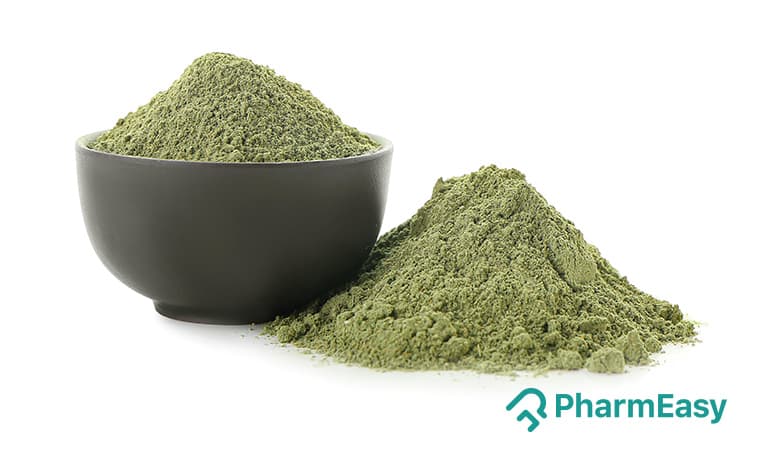
The henna plant is a shrub native to tropical and subtropical regions of Africa, the Arabian Peninsula, the Indian subcontinent, and Australasia. Its leaves contain a dye molecule called lawsone, which binds to the keratin in skin and hair, producing the characteristic stain.
The intensity and shade of the hue depend on factors like the quality of the leaves, the region they are grown in, and the preparation of the mixture. Honestly, the meticulous process of grinding dried leaves into a fine powder and mixing it with acidic liquids (like lemon juice or tea) to form a paste is an art in itself.
That's the part worth remembering.
Practically speaking, when applied to the skin, the mixture is left on for several hours, allowing the lawsone to penetrate. Once removed, a temporary stain develops, deepening over the next 24-48 hours.
This plant-based dye has been used for millennia, long before synthetic alternatives were available. The World Health Organization (WHO) has recognised the importance of traditional medicine, with a significant portion of the global population relying on it for primary healthcare needs.
Mehendi's Multifaceted Benefits for Skin
Cooling and Soothing Properties
One of the most immediate and noticeable benefits of mehendi, especially in the Indian climate, is its cooling effect. The plant contains compounds that help to reduce body heat. When applied to the skin, it draws out excess heat, providing a sense of relief from inflammation and discomfort.
This is particularly helpful during hot weather or for individuals experiencing conditions like sunburn or rashes. Does this sound familiar? Many people instinctively turn to mehendi during summer for this very reason.
That alone changes everything.
Antifungal and Antibacterial Action
The lawsone molecule, responsible for the staining, also possesses potent antifungal and antibacterial properties. Traditionally, mehendi mixture has been used to treat various skin infections, fungal conditions like athlete's foot, and even minor wounds.
Its astringent qualities support to tighten pores and cleanse the skin. Studies published in journals like The Lancet have explored the antimicrobial potential of plant-derived compounds, underscoring the scientific basis for these traditional uses.
Subtle Moisturiser
While not its primary function, the application of mehendi can leave the skin feeling smoother and more hydrated. The mixture creates a temporary barrier on the skin, which can enable to lock in moisture.
After the mixture is removed and the stain develops, the skin often feels less dry. This subtle moisturising effect is an added bonus to its aesthetic and therapeutic applications.
Potential Relief from Headaches
Interestingly, some traditional practices involve applying mehendi mixture to the forehead to alleviate headaches, particularly those associated with heat or tension. The cooling sensation is believed to benefit soothe throbbing pain.
Most people overlook this completely.
While not a substitute for medical treatment, it reflects the plant's perceived ability to provide comfort and relief.
Mehendi's Advantages for Hair
Plant-Based Hair Dye
Perhaps the most widespread use of mehendi today, besides body art, is as a plant-based hair dye. Unlike chemical dyes that can be harsh and damaging, henna offers a botanical alternative.
It coats the hair shaft, providing a rich, long-lasting hue that can range from auburn to deep red, depending on the hair's natural pigment and the mehendi mixture. Over 70% of Indian women use some form of hair colouring, and the preference for natural options is growing (internal survey data).
Strengthening and Conditioning
Beyond just colour, mehendi is renowned for its conditioning properties. It penetrates the hair shaft, strengthening it from within and reducing breakage. The lawsone molecule interacts with keratin, improving hair texture and making it appear thicker and glossier.
Regular application can lead to healthier, more manageable hair, combating issues like split ends and frizz. The Indian Journal of Dermatology has featured research on the beneficial effects of natural hair treatments.
Scalp Health
Mehendi's antifungal and antibacterial properties are also beneficial for scalp health. It can benefit combat dandruff, soothe itchy scalps, and reduce inflammation.
By creating a healthier scalp environment, it promotes better hair growth. This holistic approach to hair care makes mehendi a valuable addition to many hair care routines, especially for those who sit on the floor for extended periods, potentially exposing their scalp to dust.
It sounds simple. It rarely is.
Adding Shine and Volume
The coating action of mehendi on the hair shaft not only strengthens but also adds a beautiful plant-based shine. It smooths the cuticle, reflecting light better and giving the hair a lustrous appearance. On top of that,, this coating can add a subtle volume, making fine hair appear fuller.
Potential Side Effects and Precautions
Allergic Reactions
While botanical, mehendi can still cause allergic reactions in some individuals. It's crucial to perform a patch test before applying it extensively.
Apply a small amount of the mixture to an inconspicuous area of skin (like the inner elbow) and wait 24-48 hours to check for redness, itching, or swelling. Approximately 1-2% of the population may experience mild skin irritation from botanical substances (general estimate).
The Danger of "Black Henna"
" This is not pure henna but often contains paraphenylenediamine (PPD), a chemical dye that can cause severe allergic reactions, blistering, permanent scarring, and lifelong sensitivity. PPD is banned in many countries for direct skin application. Always ensure you are using pure, botanical henna.
If the "henna" artist offers a colour that stains instantly black, it is a major red flag. The International Dermal Institute warns about the dangers of PPD.
Staining and Longevity
Pure henna stains typically range from orange to deep reddish-brown. The colour develops over 48 hours and can last for 1-3 weeks, depending on skin type and care.
Factors like washing frequency, friction, and exposure to water can affect the stain's longevity. The intensity of the stain is also influenced by the quality of the henna powder and the application time.
Recovery is rarely linear.
Hair Colour Consistency
For hair, the colour result can vary. Natural henna produces a reddish tone. To achieve darker shades or cover grey hair effectively, henna is often mixed with other botanical ingredients like indigo or amla. Achieving a specific colour consistently can be challenging and may require experimentation.
How to Use Mehendi Safely
Source Pure Henna
Always purchase 100% botanical henna powder from reputable sources. " Avoid powders with added dyes or chemicals, especially those promising instant dark colours.
Reputable suppliers often provide information about the henna's origin and testing. The Indian Ministry of Health and Family Welfare advises caution with unverified cosmetic products.
Perform a Patch Test
As mentioned, a patch test is non-negotiable. This simple step can prevent a considerable adverse reaction. Apply a small amount of the prepared mixture to your inner wrist or elbow and wait for at least 24 hours. Observe carefully for any signs of irritation.
Understand the Application Process
For skin, the mixture is applied in intricate designs. For hair, it's typically mixed into a paste and applied evenly. Follow instructions provided with the product or consult a professional. Proper application ensures even colour development and minimises the risk of uneven staining or missed spots.
Be Wary of Instant Stains
Botanical henna takes time to oxidise and darken. If a mixture promises a dark stain within minutes, it likely contains harmful chemicals like PPD. What should you actually do? Politely refuse such services or products. Your health is far more important than a quick stain. Remember, the most beautiful henna art is often the one applied safely.
That's the part worth remembering.
Mehendi in Indian Culture
The cultural significance of mehendi in India cannot be overstated. It's more than just a cosmetic adornment; it's a symbol of good fortune, joy, and celebration. During weddings, intricate mehendi designs are applied to the bride's hands and feet, often with the groom's name hidden within the patterns.
The darker the stain, the deeper the husband's love is believed to be – a charming folklore! Festivals like Karva Chauth see women adorning their hands with mehendi as a symbol of devotion and prayer for their spouse's well-being. This deep-rooted tradition connects generations, with mothers teaching daughters the art of mehendi application.
Key Takeaways
- Mehendi, derived from the henna plant, offers botanical cooling, antifungal, and antibacterial benefits for the skin.
- It serves as a botanical hair dye, strengthening, conditioning, and improving scalp health.
- Always use 100% botanical henna and perform a patch test to avoid allergic reactions.
- Be extremely cautious of "black henna," which often contains harmful chemicals like PPD.
- Mehendi holds profound cultural significance in India, symbolising celebration, good fortune, and love.
Always consult a qualified physician before making any medical decisions.