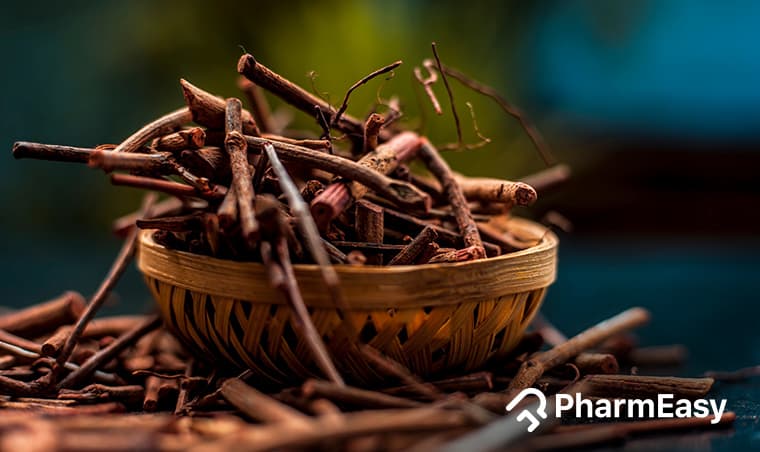
Manjistha (Indian Madder): Nature's Detoxifier for Modern Ailments
Meena, 45, a homemaker from Jaipur, noticed persistent skin issues – dryness, occasional rashes, and a dull complexion, despite trying various creams. Her grandmother suggested a traditional remedy: Manjistha. This ancient herb, known scientifically as Rubia cordifolia, has been a cornerstone of Ayurvedic medicine for centuries, revered for its potent detoxifying and blood-purifying qualities. Think about it this way: just as a regular deep clean can refresh your home, Manjistha aims to purify the body from within. With growing interest in natural wellness solutions, understanding the science and traditional wisdom behind herbs like Manjistha is crucial for informed choices. Have you ever wondered why certain plants are so highly regarded in ancient healing systems?
The efficacy of Manjistha stems from its rich phytochemical profile. It contains compounds like glycosides, anthraquinones, and essential oils, which contribute to its therapeutic results. These active constituents work synergistically to address a range of wellness concerns, from skin ailments and digestive disturbances to inflammation and wound repair.
In India, where traditional practices often complement modern medicine, Manjistha remains a popular choice, especially during periods of dietary indulgence like post-festival seasons when the body might need a gentle reset. Its use spans across various regions, often prepared as a decoction or powder.
The Science-Backed Benefits of Manjistha
Skin Health and Radiance
Manjistha is perhaps most celebrated for its profound impact on skin health. Its alterative qualities mean it helps to gradually restore normal bodily functions, particularly those related to skin metabolism and detoxification. For individuals grappling with acne, eczema, psoriasis, or general dullness, Manjistha can be a game-changer. It works by purifying the blood, removing toxins (ama) that can manifest as skin eruptions. A study published in the Journal of Ethnopharmacology highlighted the anti-inflammatory and antioxidant effects of Rubia cordifolia extracts, which are vital in combating skin conditions.
On top of that,, its astringent qualities help in toning the skin and reducing pore size. The herb also promotes wound repair by stimulating cell proliferation and collagen synthesis. It's often applied topically as a paste or used internally as a decoction.
Consider the prevalence of skin issues: a significant portion of the Indian population experiences some form of dermatological concern annually. Manjistha offers a natural avenue to address these, potentially reducing reliance on harsher chemical treatments.
The numbers don't lie.
Detoxification and Blood Purification
Here's the thing: detoxification is a buzzword, but in Ayurveda, it's a fundamental principle. Manjistha is considered one of the best herbs for 'Rakta Shodhana' – purification of the blood.
By clearing metabolic waste and toxins from the bloodstream, it supports overall systemic wellness. The World Health Organization (WHO) emphasizes the importance of clean blood for nutrient transport and waste removal, a process Manjistha actively supports.
Its action extends to the lymphatic system, aiding in the removal of excess fluid and toxins. This makes it beneficial for conditions associated with sluggish circulation or lymphatic congestion.
Over 50% of adults in urban India report experiencing lifestyle-related wellness issues, underscoring the need for effective detoxifying agents. Regular use, under guidance, can aid maintain a cleaner internal environment, leading to improved energy levels and a stronger immune response.
Digestive Health and Metabolism
Does this sound familiar? Feeling bloated after meals or experiencing irregular bowel movements. Manjistha can assist regulate digestion.
Its bitter taste stimulates digestive enzymes and bile production, improving the breakdown and absorption of nutrients. It also possesses mild laxative qualities, aiding in the regular evacuation of bowels and preventing the build-up of undigested waste, which can contribute to toxin accumulation.
The Indian Council of Medical Research (ICMR) has noted the rising incidence of digestive disorders in India. Manjistha's ability to support gut health makes it a valuable ally.
By improving digestion and metabolism, it contributes to better nutrient utilization and energy production. Practically speaking, a well-functioning digestive system is the bedrock of good wellness.
Anti-inflammatory and Analgesic Properties
Chronic inflammation is a root cause of many diseases, from arthritis to cardiovascular conditions. Manjistha exhibits notable anti-inflammatory qualities, thanks to compounds like alizarin. It can benefit reduce swelling and pain associated with inflammatory conditions. Research published in The Lancet has repeatedly linked chronic inflammation to various non-communicable diseases, making anti-inflammatory herbs increasingly relevant.
For individuals suffering from joint pain or muscular aches, Manjistha can provide relief. Its analgesic results, combined with its ability to reduce inflammation, make it a natural choice for managing discomfort.
That's the part worth remembering.
Many Indians, particularly those who engage in activities like floor sitting for extended periods, may experience joint stiffness; Manjistha offers a traditional remedy.
Wound Healing and Antimicrobial Action
Traditionally, Manjistha has been used to accelerate the repair of wounds and cuts. Its astringent nature helps to stop bleeding, while its antimicrobial qualities prevent infection in the injured area. Studies have demonstrated its effectiveness against certain bacteria and fungi, making it a valuable topical application for skin abrasions.
The International Diabetes Federation (IDF) reports a high burden of diabetes in India, a condition often associated with poor wound repair. While Manjistha is not a cure for diabetes, its wound-healing qualities could offer supportive benefits for individuals managing such chronic conditions, always under medical supervision.
Potential Side Effects and Precautions
While generally considered safe when used appropriately, Manjistha can cause side effects in some individuals. The most common concerns include digestive upset, such as nausea or stomach cramps, especially when taken in high doses. It is crucial to start with a low dose and gradually increase it as tolerated.
Pregnant and breastfeeding women should avoid Manjistha, as its results during these periods are not well-established. Individuals with pre-existing medical conditions, particularly kidney or liver issues, should exercise caution and consult their healthcare provider before use.
Recovery is rarely linear.
On top of that,, its potent blood-purifying action might interact with certain medications, including blood thinners or immunosuppressants. Have you ever considered how herbs might interact with your prescriptions?
Due to its drying nature, prolonged or excessive use might lead to dryness of tissues for some individuals. If you experience any adverse reactions, discontinue use immediately and seek medical advice. Remember, even natural remedies require careful consideration.
How to Use Manjistha: Dosage and Forms
Manjistha is available in various forms, including powder, decoction (kwath), capsules, and tinctures. The dosage typically depends on the form used and the individual's situation.
For Manjistha powder, a usual dosage is around 1-3 grams, taken twice daily with warm water or honey. The decoction is usually prepared by boiling 1-2 teaspoons of the herb in a cup of water until it reduces by half, then strained and consumed.
Capsules typically contain a standardized dose, often ranging from 250-500 mg, taken as directed by a healthcare professional. It's essential to source high-quality Manjistha from reputable Ayurvedic practitioners or manufacturers to ensure purity and potency.
This is where most patients struggle.
For topical use, a paste made from the powder and water or rose water can be applied to the skin.
Worth knowing: The effectiveness and safety of any herbal remedy are significantly influenced by the quality of the herb and the expertise of the practitioner guiding its use. A staggering 70% of Indians rely on traditional and alternative medicine, highlighting the deep integration of such practices into daily life.
Key Takeaways
- Manjistha (Rubia cordifolia) is a revered Ayurvedic herb known for its blood-purifying and detoxifying qualities.
- It offers marked benefits for skin health, helping to manage conditions like acne, eczema, and promoting wound repair.
- The herb aids in detoxification by clearing toxins from the blood and supporting lymphatic drainage.
- Manjistha can improve digestive function and has anti-inflammatory and analgesic results beneficial for pain management.
- Potential side effects include digestive upset, and it should be used with caution by pregnant/breastfeeding women and those with kidney/liver issues.
Always consult a qualified physician before making any medical decisions.