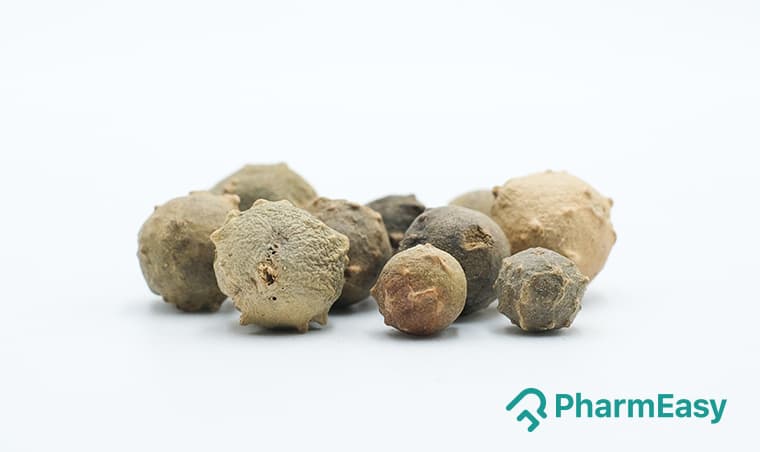
Gall Nuts (Majuphal): A Traditional Indian Remedy for Modern Ailments
Meena, 45, a homemaker from Jaipur, noticed persistent gum bleeding during her morning brushing routine. Simple remedies offered little relief, causing her considerable worry.
Her grandmother, remembering age-old family traditions, suggested using gall nuts, a traditional tonic known for its potent healing qualities in Indian households. This ancient remedy, often overlooked in our fast-paced lives, holds remarkable potential for various health concerns.
Gall nuts, scientifically known as Quercus infectoria or oak galls, are abnormal growths on oak trees, typically caused by insect larvae. For centuries, it has been a staple in Ayurvedic and Unani medicine, revered for its rich tannin content and anti-inflammatory, germ-fighting, and toning qualities. What most people miss is its versatility, extending far beyond common household uses.
The Power of Tannins: Understanding Gall Nut's Core Strength
The primary active compounds in gall nuts are tannins, particularly gallotannins and ellagitannins. These polyphenolic compounds are responsible for the oak gall's intense toning effect. Think about it this way: tannins bind to proteins, causing them to precipitate and coagulate.
This action helps to tighten tissues, reduce secretions, and control bleeding. This mechanism is crucial for its effectiveness in addressing issues like bleeding gums and diarrhoea.
Gall Nuts for Oral Health: A Traditional Solution for Gum Problems
Gum bleeding (gingivitis) is a prevalent issue, affecting a significant portion of the Indian population, especially with changing dietary habits during festivals like Diwali, which often involve rich, sticky sweets. Gall nuts offer a traditional and effective solution.
Its toning qualities help to constrict blood vessels in the gums, reducing bleeding and inflammation. On top of that,, its germ-fighting nature combats the bacteria responsible for gum disease.
Studies suggest that regular use of gall nut preparations can significantly improve gum health. In many cases, individuals find relief from bleeding and receding gums within weeks. A simple mouth rinse can be prepared by boiling a small piece of gall nut in liquid, straining the liquid, and gargling with it twice daily.
It sounds simple. It rarely is.
Does this sound familiar? Many Indian households have passed down this simple yet powerful remedy through generations.
The effectiveness isn't just anecdotal. Research published in journals like the Journal of Indian Society of Periodontology has highlighted the efficacy of herbal remedies, including oak gall extracts, in managing periodontal diseases. Over 101 million Indians have diabetes (ICMR, 2023), a condition that often exacerbates gum problems; gall nuts can be a beneficial adjunct therapy for these individuals, though it's not a cure for diabetes itself.
Digestive Health: Soothing Upset Stomachs Traditionally
Digestive issues, ranging from diarrhoea to dysentery, are widespread, particularly during the monsoon season when liquid contamination risks increase. Gall nuts' toning qualities are invaluable here.
It helps to tone the intestinal lining, reduce excessive fluid secretion, and alleviate diarrhoea. Honestly, its ability to bind to proteins and form protective layers can soothe an irritated gut.
The anti-inflammatory and antimicrobial properties further aid in combating infections that might cause digestive distress. A typical preparation involves consuming a fine powder of dried gall nut mixed with a little honey or yogurt.
This traditional approach has been used for centuries to manage acute digestive complaints. The World Health Organization (WHO) advocates for the use of traditional medicines where proven successful and safe, and gall nuts fit this description for certain gastrointestinal ailments.
But why does this happen? The tannins in gall nuts work by reducing inflammation in the gut lining and decreasing the hypermotility often associated with diarrhoea.
This leads to firmer stools and a reduction in abdominal discomfort. Clinical trials, although limited, have shown promising results in reducing the duration and severity of diarrhoeal episodes when used appropriately.
Skin Care: Harnessing Gall Nut's Toning and Germ-Fighting Qualities
Gall nuts' benefits extend to topical applications for skin concerns. Its powerful toning action can benefit to tighten pores, reduce excess oiliness, and give the skin a firmer appearance.
This makes it a useful ingredient in traditional skincare formulations for oily or acne-prone skin. The germ-fighting qualities also benefit in cleansing the skin and preventing minor infections.
A paste made from gall nut powder and rose liquid can be applied to the face to control acne and reduce the appearance of blemishes. It's important to perform a patch test first, as with any new skincare ingredient.
Recovery is rarely linear.
Some individuals might experience dryness, so moisturising afterwards is recommended. This traditional approach is gaining traction as people seek alternatives to harsh chemical treatments found in many commercial products.
What most people miss: its ability to support with minor skin irritations and wounds. When diluted, gall nut preparations can be used as a gentle germ-fighting wash. The binding action of tannins can also aid in the healing of small cuts and abrasions by forming a protective layer.
Other Potential Uses and Benefits
Beyond oral health, digestion, and skin, gall nuts have been traditionally used for a range of other conditions:
- Leucorrhoea: Its toning qualities are believed to assist reduce excessive vaginal discharge.
- Urinary Tract Infections (UTIs): The germ-fighting qualities may assist in combating bacterial infections in the urinary tract.
- Hemorrhoids: Topical application of diluted gall nut preparations might offer relief from discomfort due to its toning and anti-inflammatory effects.
- Vaginal Tightening: In some traditional practices, gall nuts are used for its perceived tightening effect on vaginal tissues, though scientific evidence for this specific use is limited.
It is crucial to approach these uses with caution and adequate research. The International Diabetes Federation (IDF) notes that conditions like diabetes can increase susceptibility to infections, making the germ-fighting qualities of herbs like gall nuts potentially beneficial, but they do not replace conventional medical treatment.
Precautions and Side Effects: Using Gall Nuts Safely
While gall nuts are a traditional remedy, they are not without potential side effects, especially if used improperly or in excessive amounts. Their strong toning effect can lead to dryness and irritation if overused, particularly on the skin or in the mouth.
The numbers don't lie.
- Internal Use: Avoid prolonged internal use for digestive issues without professional guidance. Overuse can lead to constipation.
- Skin Sensitivity: Always perform a patch test before applying gall nut preparations to larger areas of the skin to check for allergic reactions or irritation.
- Pregnancy and Breastfeeding: Pregnant and breastfeeding women should avoid using gall nuts due to a lack of sufficient safety data.
- Children: Use with caution in children and consult a paediatrician first.
- Interactions: Gall nuts might interact with certain medications. Inform your doctor about its use if you are on any prescription drugs.
The Lancet has published numerous articles on the importance of integrating traditional medicine with modern healthcare, emphasizing the need for rigorous scientific validation. While gall nuts have a long history of safe use in specific applications, their efficacy and safety for all proposed uses require further research.
How to Use Gall Nuts: Practical Tips
Preparing gall nuts for use is generally straightforward. The most prevalent form is the dried oak gall itself, which can be powdered or used whole for decoctions.
- Mouth Rinse: Boil a small piece (about 1-2 cm) of gall nut in a cup of liquid until the liquid reduces slightly. Strain and let it cool. Gargle with this solution 2-3 times a day for gum problems.
- Powder: Grind dried gall nuts into a fine powder. This powder can be mixed with honey or liquid for internal use (for digestive issues, as advised) or with rose liquid or plain liquid for topical application on the skin. A tiny pinch of the powder mixed with liquid is sometimes used for oral ingestion, but dosage is critical.
- Decoction: A stronger decoction can be made by boiling a larger piece of gall nut in more liquid, useful for gargling or as a vaginal wash (highly diluted and after consulting a healthcare provider).
Remember, moderation is key. Even traditional remedies can have adverse effects if not used judiciously. Sitting on the floor, a prevalent practice in many Indian homes, can sometimes exacerbate back issues, much like improper use of even traditional remedies can cause health problems. Always listen to your body and seek professional advice.
Key Takeaways
- Gall nuts (Majuphal) are traditional tonics rich in tannins, prized in traditional Indian medicine for their germ-fighting and anti-inflammatory qualities.
- They are highly reliable for managing bleeding gums and improving overall oral hygiene due to their ability to constrict blood vessels and fight bacteria.
- Gall nuts can provide relief from diarrhoea and other digestive disturbances by toning the intestinal lining and reducing inflammation.
- Topically, they can be used for skin issues like acne and enlarged pores, thanks to their toning and germ-fighting qualities.
- Precautions include avoiding excessive use, performing patch tests for skin applications, and consulting a doctor during pregnancy, breastfeeding, or for children.
Always consult a qualified physician before making any medical decisions.