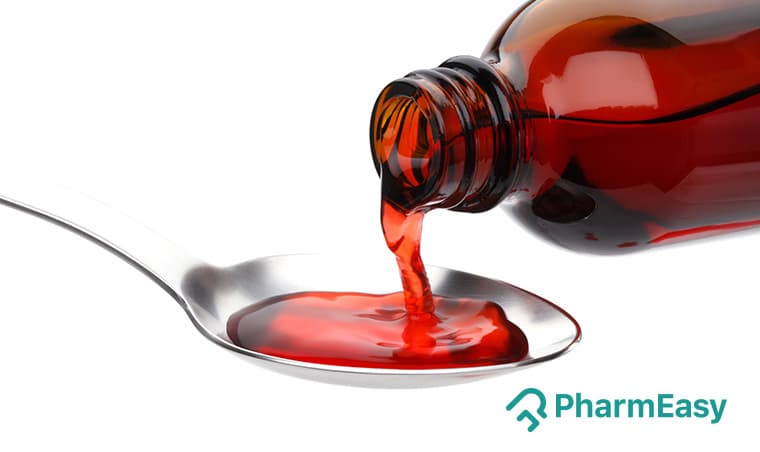
Lohasava: Unveiling an Ayurvedic Gem for Holistic Well-being
Meena, 45, a homemaker from Jaipur, noticed a persistent fatigue that even a good night's sleep couldn't shake. Her skin had taken on a pale hue, and simple chores felt exhausting.
She suspected a blood condition, a common concern, and decided to explore traditional remedies before resorting to conventional medicine. Her search led her to Lohasava, an age-old herbal formulation.
In India, where traditional medicine systems like Ayurveda have been integral to healthcare for millennia, formulations like Lohasava continue to hold significant relevance. Think about it this way: while modern medicine offers rapid solutions, Ayurveda focuses on restoring balance within the body, addressing the root cause of ailments.
Lohasava exemplifies this philosophy, primarily known for its efficacy in managing iron-related blood issues. But its benefits extend far beyond that, touching upon various aspects of well-being and vitality.
The reality is, with the increasing prevalence of lifestyle diseases and nutritional gaps, understanding and utilising such time-tested remedies becomes crucial. Over 101 million Indians have diabetes (ICMR, 2023), and nutritional gaps, including insufficient iron, are widespread.
That alone changes everything.
Lohasava, a fermented liquid concoction, has been a trusted remedy for generations, harnessing the therapeutic properties of its herbal and mineral ingredients.
What Exactly is Lohasava?
Lohasava is a classical Ayurvedic preparation, a 'Asava' or 'Arishta' type, which means it's a fermented medicinal concoction. The fermentation process not only enhances the bioavailability of the active ingredients but also adds to its therapeutic potency.
Its primary component is Loha Bhasma (purified and processed iron), which is then processed with a decoction of various herbs and a natural fermenting agent, typically jaggery, in a sealed vessel for a specific period. This meticulous making method is key to its effectiveness.
The specific combination of herbs and the iron content make it particularly effective for conditions related to low blood count and poor assimilation of nutrients. The standard making involves processing purified iron with a decoction of herbs like Dashamoola, Pippali, and other potent ingredients, along with jaggery, allowing it to ferment.
This ensures a bioavailable form of iron that the body can readily absorb.
Key Benefits and Uses of Lohasava
The most well-documented and widely recognised use of Lohasava is in the management of iron-related blood issues. Have you ever wondered why such conditions are so prevalent, especially among women in India?
That's the part worth remembering.
Factors like heavy menstrual bleeding, inadequate dietary intake, and poor absorption contribute significantly. Lohasava addresses this by providing a readily absorbable form of iron, thereby replenishing depleted iron stores and improving haemoglobin levels.
Studies have indicated that Ayurvedic iron preparations can be successful in improving haemoglobin counts in individuals with low blood counts. This formulation helps in the formation of red blood cells, essential for carrying oxygen throughout the body. Adequate oxygen supply is vital for energy production and overall bodily function.
Combating Low Blood Count
Iron-related blood issues are characterised by symptoms such as fatigue, weakness, shortness of breath, dizziness, and pale skin – warning signs Meena was experiencing. Lohasava, by providing elemental iron in a bioavailable form, directly tackles the low iron levels.
It aids in the synthesis of haemoglobin, the protein in red blood cells responsible for transporting oxygen from the lungs to the rest of the body. The recommended daily intake of iron for adult women is around 18 mg, a target often missed through diet alone.
Recovery is rarely linear.
Digestive Health and Metabolism
Here's the thing: Lohasava isn't just about iron. The blend of herbs used in its making also contributes to digestive health. Many of the constituent herbs possess carminative (gas-relieving) and digestive properties.
They help stimulate the secretion of digestive juices, improve appetite, and enhance the absorption of nutrients from food. This is particularly beneficial for individuals with poor appetite or digestive disturbances, which can often accompany or exacerbate blood issues. A healthy gut is fundamental to overall well-being.
The fermentation process itself contributes to improved gut health by introducing beneficial probiotics, although this aspect is less scientifically quantified in classical texts compared to its role in blood conditions. Nevertheless, improved digestion indirectly supports better nutrient absorption, including iron.
Liver and Spleen Support
In Ayurveda, the liver and spleen are closely associated with blood formation and purification. Lohasava is believed to support the healthy functioning of these organs.
By improving blood quality and quantity, it indirectly aids the liver in its detoxification processes and helps the spleen in its role of filtering blood and producing immune cells. This holistic approach addresses systemic imbalances rather than isolated indicators.
The numbers don't lie.
Skin and Hair Health
A healthy glow often reflects internal well-being, and this certainly applies to skin and hair. Low iron can lead to dull skin and hair fall.
By correcting the underlying low iron levels and improving blood circulation, Lohasava can contribute to healthier, more radiant skin and stronger hair. Improved oxygenation to the scalp and skin tissues supports their vitality.
Other Potential Applications
While blood conditions remain its primary indication, Lohasava is also traditionally used for conditions like:
- Jaundice: Its liver-supportive properties may be beneficial.
- Enlarged Spleen (Splenomegaly): As mentioned, it supports spleen function.
- General Debility: Its restorative properties aid combat weakness.
- Malabsorption Syndromes: By improving digestion.
Worth knowing: The efficacy of Lohasava in these conditions is often based on Ayurvedic principles and observed clinical outcomes, with ongoing research seeking to validate these uses through modern scientific methodologies. The Indian Council of Medical Research (ICMR) has supported various studies on traditional medicine efficacy.
How to Take Lohasava: Dosage and Administration
The dosage of Lohasava can vary depending on age, gender, the severity of the problem, and the specific concoction used by the manufacturer. Typically, it is prescribed by an Ayurvedic practitioner.
A prevalent dosage for adults might range from 15 ml to 30 ml, taken twice daily, usually after meals. It is often advised to mix it with an equal quantity of water.
The specific herbs and their proportions can differ slightly between Ayurvedic pharmacies, so it is essential to follow the dosage instructions provided on the product label or by your healthcare provider. For children, the dosage is adjusted accordingly and should only be administered under expert guidance.
This is where most patients struggle.
Potential Side Effects and Precautions
Lohasava is generally considered safe when taken in prescribed doses under the supervision of a qualified Ayurvedic practitioner. However, like any medication, it can have potential side effects, particularly if taken in excess or by individuals with specific sensitivities.
Possible side effects include:
- Digestive Upset: Some individuals might experience mild stomach discomfort, constipation, or diarrhoea, especially when starting the medication.
- Iron Overload: Although rare with standard doses, excessive intake of iron can lead to iron overload (haemochromatosis), which can damage organs. Regular monitoring might be advised for long-term use.
- Allergic Reactions: Though uncommon, allergic reactions to any of the herbal components are possible.
But why does this happen? The body's response to any new substance, even natural ones, can vary. It's important to be aware of how your body reacts.
Precautions:
- Pregnancy and Lactation: Pregnant and breastfeeding women should consult their doctor or an Ayurvedic physician before using Lohasava.
- Individuals with Specific Health Conditions: Those with kidney disorders, liver disease, or haemochromatosis should exercise caution and seek medical advice.
- Interactions with Other Medications: Lohasava may interact with certain conventional medications. Inform your doctor about all the medications and supplements you are taking. For instance, it might affect the absorption of certain antibiotics or thyroid medications.
- Dietary Considerations: During treatment, it's advisable to avoid consuming large quantities of tea, coffee, or calcium-rich foods immediately after taking Lohasava, as they can hinder iron absorption. Adhering to a balanced diet, rich in vitamin C-containing foods (like citrus fruits, which enhance iron absorption), is often recommended.
The reality is, while Ayurveda offers a holistic approach, integrating it with conventional medicine requires careful consideration and professional guidance. Institutions like AIIMS (All India Institute of Medical Sciences) are increasingly exploring the integration of traditional and modern medicine.
Lohasava vs. Other Iron Supplements
Compared to conventional iron supplements (like ferrous sulfate or ferrous gluconate), Lohasava offers a different approach. Conventional supplements provide elemental iron, which can sometimes cause considerable gastrointestinal side effects like nausea, constipation, and stomach pain.
5 billion people worldwide suffer from low blood counts, the majority of whom are women and children (WHO). While powerful, these side effects can lead to poor patient compliance.
Lohasava, being a fermented herbal concoction, is often perceived as gentler on the stomach. The presence of herbs can potentially mitigate some of the side effects associated with iron supplementation.
That's the part worth remembering.
On top of that,, the synergistic action of the herbs in Lohasava may aid in better absorption and utilisation of iron, addressing the low levels more holistically. The Ayurvedic perspective focuses on strengthening the body's natural processes, rather than just supplementing a missing nutrient.
Think about it this way: it's like choosing between a direct injection of a nutrient and a method that helps your body produce and absorb it more efficiently. Both have their place, but the latter often leads to more sustained, systemic improvements.
Where to Buy Authentic Lohasava
Authenticity is paramount when dealing with Ayurvedic medicines. It's best to purchase Lohasava from reputable Ayurvedic pharmacies or well-known brands that adhere to strict quality control standards. Look for products that clearly list their ingredients and manufacturing details.
Many established Ayurvedic companies in India, such as Dabur, Baidyanath, and Zandu, produce high-quality Lohasava concoctions. Always check for the manufacturing date and expiry date.
Purchasing from trusted sources ensures that you receive a genuine product that has been made according to Ayurvedic principles, maximising its therapeutic benefits and minimising the risk of adulteration or sub-standard quality. Given the prevalence of counterfeit products in various markets, vigilance is key.
The numbers don't lie.
Key Takeaways
- Lohasava is a classical Ayurvedic fermented liquid concoction primarily used to treat iron-related blood issues.
- Its benefits extend to improving digestion, supporting liver and spleen function, and enhancing skin and hair well-being.
- It provides iron in a bioavailable form, potentially with fewer gastrointestinal side effects compared to some conventional iron supplements.
- Dosage should be determined by a qualified Ayurvedic practitioner, and potential side effects, though rare, should be monitored.
- Always consult a qualified physician before making any medical decisions.
Always consult a qualified physician before making any medical decisions.