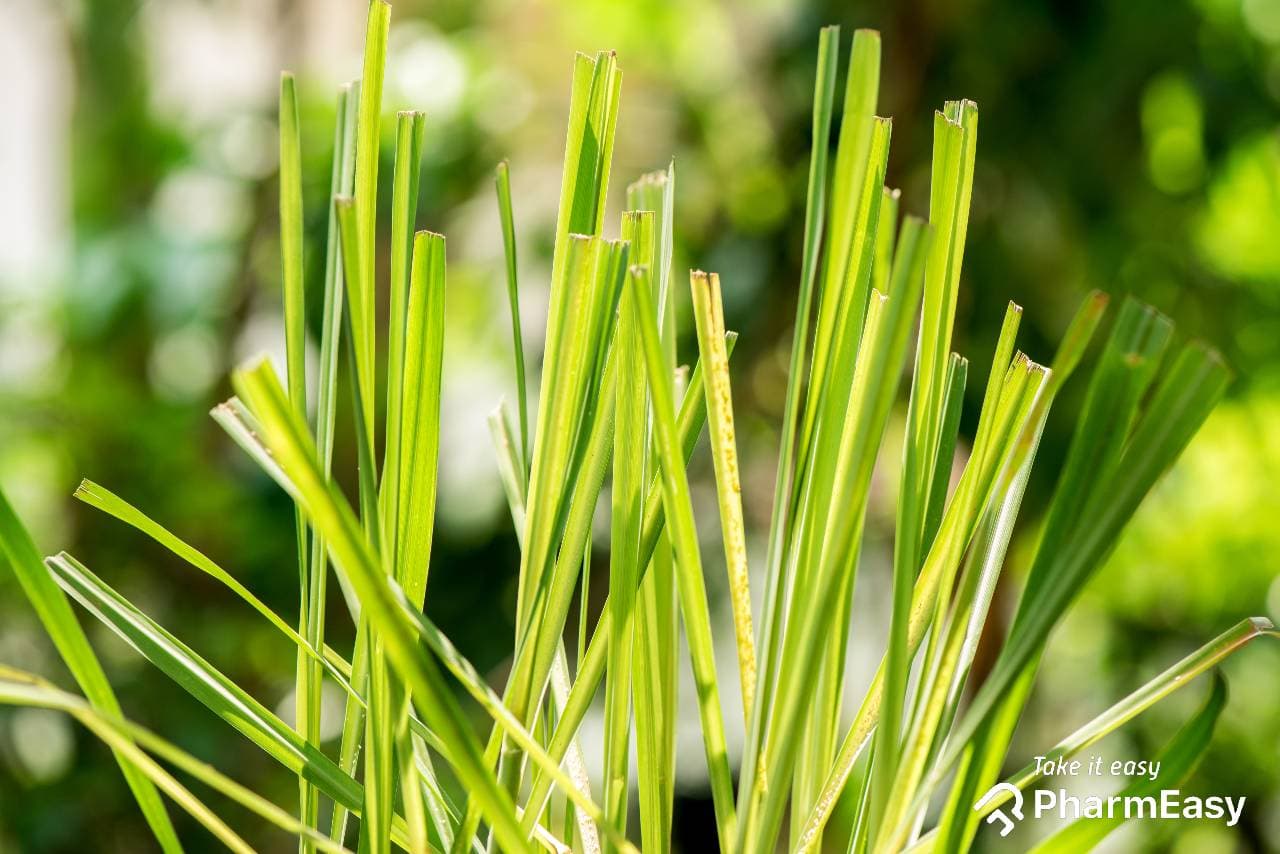
Lemongrass: Nature's Refreshing Elixir for Wellness
Meena, 45, a homemaker from Jaipur, experienced persistent bloating after meals, especially after rich festival sweets. She also struggled with mild insomnia. Her daughter, researching home remedies, suggested brewing a cup of lemongrass tea.
Skeptical but willing to try anything, Meena began her daily ritual. Within weeks, she felt significant relief from her digestive discomfort and found her sleep improving. This is just one story, but it highlights the growing interest in home-based solutions like lemongrass across India.
The reality is, many of us are seeking gentler, more plant-based ways to manage our well-being, moving away from synthetic options. Lemongrass (Cymbopogon citratus), a fragrant herb native to tropical regions, has been a staple in Ayurvedic practices and traditional kitchens for centuries.
Its refreshing citrusy aroma and distinct flavour make it a popular addition to teas, curries, and desserts. But beyond its culinary appeal, this versatile grass boasts a remarkable array of benefits, supported by both ancient wisdom and modern scientific research.
It sounds simple. It rarely is.
The Science Behind Lemongrass's Potency
What makes lemongrass so special? Its therapeutic qualities are largely attributed to its rich concentration of bioactive compounds, primarily oils like citral and geraniol. Citral, which gives lemongrass its characteristic lemon scent, exhibits considerable anti-inflammatory, antioxidant, and antimicrobial effects. Geraniol, another key component, also contributes to its wellness-promoting profile. Studies published in reputable journals like Phytotherapy Research have explored these compounds, revealing their potential to combat various ailments.
Practically speaking, these compounds work synergistically to offer many kinds of therapeutic actions. The anti-inflammatory qualities can help reduce swelling and pain, while its antioxidant capacity fights harmful free radicals that contribute to chronic diseases.
The antimicrobial nature is beneficial for fighting infections, making it a valuable plant-based agent.
Key Benefits of Lemongrass
Digestive Health Champion
For many, especially during festive seasons with rich, oily foods, digestive issues are common. Lemongrass has long been revered for its ability to soothe the digestive tract. Its carminative qualities benefit expel gas from the intestines, relieving bloating, indigestion, and stomach cramps.
Consuming lemongrass tea, particularly after a heavy meal, can significantly aid digestion. Some research suggests it can support prevent stomach ulcers, with studies indicating its compounds may inhibit the growth of bacteria linked to ulcer formation.
So what does that mean for you? If you frequently experience discomfort after eating, incorporating lemongrass into your diet could offer substantial relief. A simple infusion of fresh or dried lemongrass leaves in hot water is an easy way to start.
The numbers don't lie.
Anxiety Relief and Mood Enhancement
The calming aroma of lemongrass is not just pleasant; it has therapeutic effects on the mind. Inhaling lemongrass oil or sipping its tea has been shown to reduce stress and anxiety levels. The scent is believed to interact with brain receptors that promote relaxation and a sense of well-being. A study from the Journal of Alternative and Complementary Medicine found that aromatherapy with lemongrass oil could significantly decrease anxiety in patients in intensive care units.
Honestly, managing daily stress can be challenging. Lemongrass offers a plant-based, accessible way to find a moment of calm. Consider adding a few drops of lemongrass oil to your diffuser or enjoying a warm cup of its tea before bed to unwind.
Pain Management Qualities
The anti-inflammatory and analgesic qualities of lemongrass make it an effective plant-based remedy for pain relief. It can be used topically to ease muscle aches, joint pain, and sprains.
Massaging diluted lemongrass oil into affected areas can provide soothing relief. Internally, drinking lemongrass tea may benefit alleviate menstrual cramps and headaches, thanks to its ability to reduce inflammation and muscle spasms.
Worth knowing: While not a replacement for medical treatment for chronic pain conditions, lemongrass can serve as a valuable complementary therapy. Athletes and individuals with physically demanding jobs might find it particularly beneficial for post-exertion recovery.
Antioxidant Powerhouse
Lemongrass is packed with antioxidants, which are crucial for protecting your body against cellular damage caused by free radicals. This protection is vital in preventing chronic diseases like heart disease and certain cancers.
That's the part worth remembering.
The high levels of phenolic compounds in lemongrass contribute significantly to its antioxidant capacity. The International Diabetes Federation (IDF) highlights the importance of antioxidants in managing and preventing metabolic diseases, a growing concern in India with over 101 million people estimated to have diabetes (ICMR, 2023).
But why does this happen? Antioxidants neutralise unstable molecules (free radicals) that can damage DNA and cells, leading to aging and disease. By consuming antioxidant-rich foods like lemongrass, you bolster your body's natural defence system.
Skin and Hair Benefits
The antiseptic and astringent qualities of lemongrass make it excellent for skin care. It can benefit cleanse the skin, tighten pores, and reduce acne breakouts. Applied topically (properly diluted), it can combat fungal infections like athlete's foot.
For hair, lemongrass can strengthen hair follicles, reduce dandruff, and add a healthy shine. Its antimicrobial action can also assist maintain scalp health.
Given the humid climate, skin issues like fungal infections and acne are prevalent. Lemongrass offers a plant-based alternative for managing these concerns. A facial steam with lemongrass or a hair rinse with its infusion can be incorporated into your beauty regimen.
Recovery is rarely linear.
Potential Cholesterol and Blood Sugar Management
Emerging research suggests that lemongrass may play a role in managing cholesterol levels and blood sugar. Some studies indicate that compounds in lemongrass can aid reduce LDL (bad) cholesterol and triglycerides, while also improving insulin sensitivity.
While more extensive human trials are needed, these preliminary findings are promising, especially considering the high prevalence of cardiovascular diseases and diabetes in India.
The World Health Organization (WHO) consistently reports high rates of non-communicable diseases in India, making lifestyle and dietary interventions like those involving lemongrass increasingly relevant. If you have concerns about cholesterol or blood sugar, discussing the potential role of lemongrass with your doctor is advisable.
Culinary Uses of Lemongrass in India
Lemongrass is more than just a medicinal herb; it's a vibrant ingredient in Indian cuisine. Its strong, zesty flavour is used to infuse broths, soups, curries, and marinades. It pairs wonderfully with coconut milk in South Indian dishes.
Fresh stalks can be bruised and added whole to cooking pots, while dried leaves or powder can be used for teas and spice blends. It’s particularly popular in states like Kerala and Tamil Nadu. The distinct aroma adds a refreshing dimension, cutting through the richness of many traditional meals.
It sounds simple. It rarely is.
Consider adding a stalk of bruised lemongrass to your next vegetable stir-fry or using its finely chopped leaves in a marinade for fish or chicken. Its versatility allows it to complement many kinds of flavours. It's even used in some traditional sweets and beverages, offering a unique citrusy note.
How to Use Lemongrass at Home
Incorporating lemongrass into your daily routine is simple and rewarding.
- Lemongrass Tea: Steep 1-2 fresh lemongrass stalks (bruised) or 1 teaspoon of dried lemongrass in hot water for 5-10 minutes. Strain and enjoy. You can add honey or ginger for extra flavour and benefits.
- Cooking: Add bruised stalks to soups, stews, curries, and rice dishes. Finely chop fresh leaves for marinades or stir-fries.
- Essential Oil: Use in aromatherapy diffusers for stress relief. For topical use, always dilute with a carrier oil (like coconut or almond oil) and perform a patch test first. Never ingest essential oils unless specifically advised by a qualified practitioner.
- Infusions: Use cooled lemongrass tea as a hair rinse for shine and dandruff control, or as a facial toner (after patch testing).
Potential Side Effects and Precautions
While generally safe for most people when consumed in moderate amounts as food or tea, lemongrass can have side effects, especially when used in concentrated forms like essential oils or in very large quantities. Some individuals might experience allergic reactions, such as skin rashes or respiratory issues.
Those with sensitive skin should exercise caution when applying lemongrass oil topically, always diluting it properly and performing a patch test.
Pregnant and breastfeeding women should consult their healthcare provider before using lemongrass, particularly in medicinal doses or as an essential oil, as its effects in these populations are not well-established. People with liver or kidney conditions should also seek medical advice.
Remember, excessive consumption of lemongrass tea might lead to dizziness or increased urination in some individuals.
Honestly, understanding potential risks is as important as knowing the benefits. While it’s a plant-based herb, it’s still a potent one. Always start with small amounts to gauge your body's reaction.
Lemongrass vs. Other Citrus Herbs
Compared to usual citrus herbs like lemon balm or even lemon zest, lemongrass offers a more robust, less acidic citrus note. Its fibrous stalks require different preparation methods than the leaves of lemon balm.
Most people overlook this completely.
While lemon zest provides aroma, lemongrass imparts a deeper, more integrated flavour, especially in cooked dishes. Its unique flavour profile and distinct medicinal qualities set it apart, making it a valuable herb in both the kitchen and the medicine cabinet.
The Indian Context: Monsoon and Wellness
During the monsoon season, when the humidity is high and infections are more widespread, lemongrass's antimicrobial and immune-boosting qualities can be particularly beneficial. A warm cup of lemongrass tea can be soothing and support ward off seasonal ailments.
Its refreshing scent can also uplift spirits during the grey monsoon days. Many households traditionally use herbs like lemongrass to maintain wellness during this time, often preparing infusions or adding them to meals to enhance digestion, which can be sluggish in damp weather.
Conclusion: Embracing Lemongrass for Holistic Health
Lemongrass is a remarkable herb with a rich history in Indian culture and a promising future in modern wellness. From aiding digestion and reducing stress to offering antioxidant and anti-inflammatory benefits, its uses are extensive.
Most people overlook this completely.
Whether enjoyed as a fragrant tea, incorporated into culinary creations, or used therapeutically (with caution), lemongrass offers a plant-based pathway to enhanced health and well-being.
Key Takeaways:
- Lemongrass contains potent compounds like citral and geraniol, known for their anti-inflammatory, antioxidant, and antimicrobial qualities.
- It is widely used to improve digestion, relieve bloating, and reduce stomach discomfort.
- The aroma of lemongrass can benefit reduce stress and anxiety, promoting relaxation.
- Lemongrass possesses pain-relieving and antioxidant effects, potentially aiding in managing chronic conditions and protecting against cell damage.
- While generally safe, precautions regarding topical use, pregnancy, and pre-existing conditions are necessary.
Always consult a qualified physician before making any medical decisions.