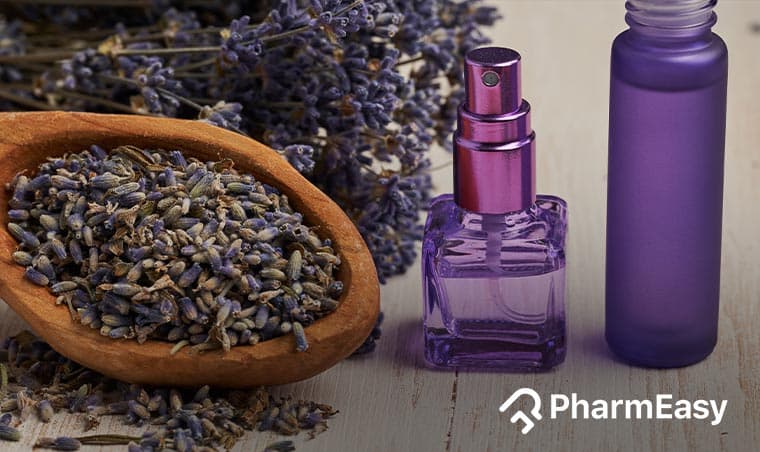
Lavender: A Soothing Botanical
Meena, 45, a homemaker from Jaipur, noticed her rest declining, especially during the demanding monsoon season when household tasks seemed to escalate. She often felt swamped and found it hard to settle down after a demanding day.
Her neighbour, aware of her difficulties, suggested trying lavender essential oil for aromatherapy. Hesitant yet eager for relief, Meena decided to experiment, diffusing a few drops in her bedroom nightly.
In many instances, common issues like tension and rest disturbances can be managed well with plant-based methods. Lavender, scientifically identified as Lavandula angustifolia, has been valued for ages for its distinct aroma and therapeutic qualities. Its usefulness ranges from encouraging calm to easing skin discomforts, making it a staple in many Indian homes seeking organic wellness answers. The worldwide essential oils market, valued at USD 22.7 billion in 2022, underscores the broad acceptance of such organic products, with lavender being a key contributor.
The Varied Advantages of Lavender Oil
The appeal of lavender oil stems from its wide-ranging uses, primarily due to its rich chemical makeup, including linalool and linalyl acetate. These components are recognized for their calming and anti-inflammatory actions. They interact with the body's systems to bring about a series of beneficial results.
Encouraging Calm and Rest
Perhaps the most recognized advantage of lavender is its capacity to promote calm and improve rest quality. Studies indicate that breathing in lavender oil can significantly lower tension levels and foster a feeling of serenity. A systematic review in the journal Evidence-Based Complementary and Alternative Medicine found that lavender aromatherapy effectively reduced anxiety in various settings, including among hospital patients and students. In practice, adding lavender oil to your bedtime ritual can be transformative for those battling insomnia or general unease. Imagine this: a few drops on your pillow or in a diffuser can turn your bedroom into a peaceful haven.
Skin Vitality and Renewal
Lavender oil's germ-fighting and anti-inflammatory characteristics make it a superb addition to skin care regimens. It can help soothe minor burns, insect bites, and skin irritations like eczema and psoriasis. Its capacity to boost cell renewal may also assist in healing injuries and diminishing the look of scars.
That's the part worth remembering.
For instance, applying diluted lavender oil to a small cut or scrape can enable prevent infection and accelerate healing. The global market for organic skin care is thriving, with consumers increasingly seeking plant-derived elements, and lavender is a prime illustration of such a desired botanical. It's projected that over 60% of shoppers now prefer organic or plant-based skin care items.
Hair Nourishment Benefits
The advantages of lavender oil extend to hair well-being too. Its antiseptic qualities can support address dandruff and scalp infections. When massaged into the scalp, it can stimulate hair roots, potentially encouraging hair growth.
Personal accounts suggest regular application can lead to stronger, healthier hair. Many traditional Indian hair care practices, often passed down through generations, incorporate organic oils, and lavender can be a valuable supplement to this collection, particularly for those focused on scalp condition. The widespread occurrence of hair loss issues in India, affecting millions, makes investigating organic answers like lavender oil a pertinent endeavor.
Additional Healing Applications
Beyond rest and skin, lavender oil has been studied for its potential to ease headaches and migraines. Some research hints that inhaling the scent can offer relief from head pain.
Its use in massage therapy is also prevalent, as the aroma combined with physical muscle manipulation can boost relaxation and ease muscle tightness. In academic settings, its application has been explored to reduce exam stress among students, demonstrating its broad usefulness.
This is where most those affected struggle.
Effective Ways to Use Lavender Oil
Understanding proper application methods is vital to utilizing lavender oil's benefits safely and effectively. Incorrect use can result in unwelcome reactions.
Aromatherapy Diffusion
This is a highly favored approach. Add 5-10 drops of premium lavender essential oil to a diffuser. This is perfect for creating a tranquil ambiance in your home or workspace, supporting relaxation, and enhancing rest.
It's especially helpful during busy periods when stress levels can rise due to social events and dietary shifts. The gentle scent can benefit maintain a sense of peace amid the activity.
Skin Application (Diluted)
Never apply undiluted essential oils directly to the skin. Always blend lavender oil with a base oil like coconut, jojoba, or almond oil. A typical blend ratio is 2-3 drops of lavender oil per teaspoon of base oil.
This mixture can then be applied to the skin for localized relief from irritation or used as a massage oil. For skin concerns, a small spot test is always advised initially.
Inhalation
For prompt relief from tension or headaches, inhale the scent directly from the container or place a few drops on a tissue or cotton ball. You can also add a few drops to a warm bath for a soothing soak—a practice that aligns with the ancestral Indian emphasis on water-based cleansing customs.
Integration into Products
Lavender essential oil can be added to unfragranced lotions, shampoos, conditioners, or homemade cleaning agents to impart its scent and therapeutic qualities. Ensure thorough mixing for even distribution of the oil.
Here's where it gets interesting.
Possible Adverse Reactions and Cautionary Steps
While generally safe when used as directed, lavender oil is not without potential negative effects and requires specific precautions.
Skin Sensitivity
Some individuals might encounter skin irritation or allergic responses, particularly if the oil is applied without dilution. Always perform a small spot test before widespread skin application. If redness, itching, or a rash appears, stop use promptly.
Hormonal Influences
There's some apprehension, mainly from personal accounts and limited research, that prolonged skin application of lavender oil might be linked to pre-pubertal gynecomastia (breast development in young boys) or other endocrine-disrupting actions. While further investigation is necessary, it is wise to proceed with care, especially with children. According to a report in the New England Journal of Medicine, this connection, though not definitively established, suggests a cautious stance.
Medication Interactions
Lavender oil might interact with certain medications, notably sedatives, as it can amplify their calming effects. If you are taking any prescriptions, especially for rest disorders or anxiety, speak with your doctor before using lavender oil.
The World Health Organization (WHO) estimates that over 70% of the global population depends on traditional remedies, including plant-based treatments, highlighting the significance of understanding potential interactions.
Pregnancy and Breastfeeding
While generally deemed safe for inhalation during pregnancy, skin application should be approached with prudence. Consult a healthcare provider before using lavender oil if you are expecting or nursing. Remember, safe practices are paramount, particularly during these delicate phases.
Here's where it gets interesting.
Ingestion Warning
Lavender essential oil is highly concentrated and must NEVER be consumed. Ingesting essential oils can be poisonous and lead to severe health issues. This is a critical point often misunderstood by those new to essential oils.
Expert Views and Scientific Inquiry
The scientific community continues to explore the extensive potential of lavender. Research from organizations like the All India Institute of Medical Sciences (AIIMS) frequently assesses the effectiveness of plant-based therapies for usual well-being concerns prevalent in India. Studies published in respected journals like The Lancet have also addressed the therapeutic uses of essential oils. For example, a study in Phytotherapy Research showed lavender's anxiety-reducing (anxiolytic) properties in a controlled environment. The International Diabetes Federation (IDF) also acknowledges the rising interest in complementary treatments, while stressing evidence-based interventions for conditions like diabetes.
But what causes this? The therapeutic effects are largely credited to the combined action of its volatile components, mainly linalool and linalyl acetate. These molecules interact with brain signaling systems, such as the GABAergic system, promoting calm and reducing nerve overactivity.
So, what does this signify for you? It suggests that lavender isn't merely masking symptoms; it's potentially influencing the body's underlying physiological reactions tied to stress and unease.
Key Points
- Lavender oil provides notable benefits for relaxation, improving rest, skin well-being, and hair care due to its anti-inflammatory and antimicrobial qualities.
- The most widespread and reliable uses include aromatherapy diffusion, diluted skin application, and direct inhalation for tension relief.
- Possible adverse effects include skin sensitivity and potential hormonal influences with prolonged skin application; always dilute for skin use and perform a spot test.
- Caution is advised for pregnant or nursing individuals and those on specific medications; consuming it is strictly forbidden.
- Consulting a healthcare professional before use, particularly for distinct health issues or if taking other medicines, is strongly recommended.
Always seek advice from a qualified physician before making any health-related decisions.