Kutki: Uses, Benefits, and Side Effects by Dr. Rajeev Singh
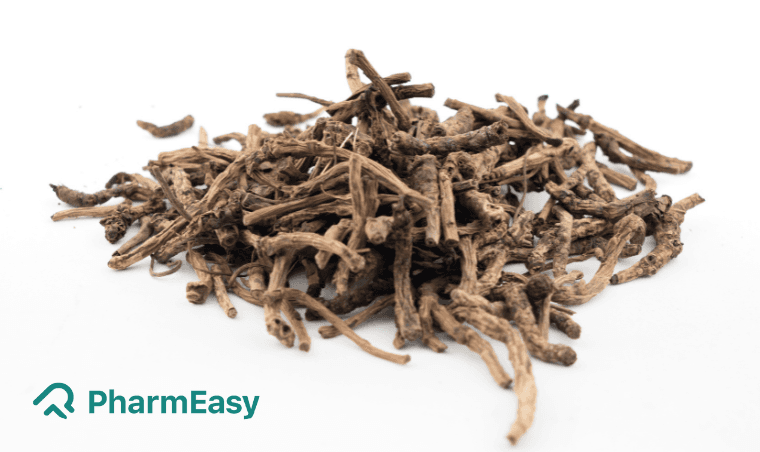
Meena, 45, a homemaker from Jaipur, experienced ongoing stomach discomfort, particularly after large meals. Her grandmother suggested trying Kutki, an herb she had used for years. This time-honored remedy, deeply ingrained in Indian culture, underscores the lasting significance of ancient healing practices. Kutki, scientifically identified as Picrorhiza kurroa, is a modest perennial plant found in the Himalayas. Its unpalatable roots and underground stems have been a cornerstone of Ayurvedic medicine for ages, valued for their strong healing qualities. Its extensive use in historical Indian systems clearly demonstrates its effectiveness.
Understanding Kutki (Picrorhiza kurroa)
This remarkable plant thrives in the high altitudes of the Himalayas, typically flourishing between 3,000 and 5,000 meters. The plant itself is not particularly striking, featuring fuzzy leaves and delicate, often pale blue or white blossoms. However, its humble appearance hides the potent bioactive compounds within its subterranean parts.
The main active agents responsible for Kutki’s therapeutic actions include picroside I and II, kutkoside, and apocynin. These elements are thought to contribute to its anti-inflammatory, antioxidant, liver-protecting, and immune-regulating effects. In many instances, historical preparation techniques, often involving boiling or grinding into powder, were designed to best extract these beneficial substances.
Historical Uses and Ayurvedic Significance
In Ayurveda, Kutki is categorized as a 'deepana' (appetite stimulant) and 'pachana' (aid for digestion) herb. It is frequently advised for issues linked to poor digestion, liver ailments, and breathing difficulties. Its intensely bitter flavor, a key attribute in Ayurvedic medicine, is believed to encourage the release of digestive fluids and improve nutrient uptake.
Good to know: Ancient Ayurvedic texts, such as the Charaka Samhita and Sushruta Samhita, reference Kutki extensively, emphasizing its historical importance in Indian healthcare. It was commonly employed to combat fevers, jaundice, and skin conditions. The practice of crushing herbs on a stone slab, a common sight in many Indian homes even today, was often how Kutki would be prepared for immediate use.
That's the part worth remembering.
Potential Benefits of Kutki
Contemporary scientific inquiry is beginning to support many of the historical applications of Kutki. Its therapeutic promise extends across several wellness areas.
Liver-Protecting Qualities (Liver Wellness)
Kutki is perhaps most celebrated for its liver-shielding attributes. Studies indicate that the active components within Kutki can help safeguard the liver from damage caused by toxins, viruses, and certain medicines. It is thought to encourage the renewal of liver cells and enhance bile flow, which is vital for digestion and detoxification. For example, investigations published in journals like The Lancet have examined its effectiveness in managing specific types of liver harm. In India, where conditions like fatty liver disease are increasing—impacting an estimated 24% of the adult population (AIIMS study, 2022)—Kutki offers a hopeful natural complementary treatment.
Digestive Wellness and Gut Function
The bitter taste of Kutki stimulates the generation of digestive enzymes and bile, thus improving digestion and nutrient absorption. It can be helpful for individuals experiencing indigestion, bloating, gas, and a lack of appetite. Its capacity to calm inflammation in the gut lining may also assist in managing conditions like irritable bowel syndrome (IBS).
What should you actually do? If you face ongoing digestive problems, seeking advice from an Ayurvedic practitioner for a personalized Kutki regimen is wise.
Immune System Support
Kutki displays immune-regulating effects, meaning it can benefit modulate and fortify the body's defense mechanisms. Its antioxidant actions counteract damage from free radicals, protecting immune cells and enhancing their performance.
This makes it a valuable plant for strengthening the body's innate defenses against infections. The World Health Organization (WHO) has acknowledged the promise of historical medicine, including herbs like Kutki, in supporting worldwide wellness efforts.
Anti-inflammatory and Antioxidant Actions
Persistent inflammation is a primary driver of numerous illnesses, including heart disease, arthritis, and certain cancers. Kutki contains compounds like apocynin, which have demonstrated notable anti-inflammatory and antioxidant activity in laboratory examinations.
Recovery is rarely linear.
These qualities aid neutralize damaging free radicals and reduce inflammatory processes within the body. This could be especially pertinent during India's monsoon season, when infections and inflammatory issues frequently surge.
Respiratory Wellness
Historically, Kutki has been utilized to manage respiratory conditions like asthma and bronchitis. Its anti-inflammatory effect is believed to enable reduce airway swelling, while its expectorant properties may assist in clearing mucus. Although more clinical studies are required, initial findings are encouraging.
Blood Sugar Regulation
Some research suggests that Kutki may aid in improving insulin sensitivity and lowering blood glucose levels. The International Diabetes Federation (IDF) estimates that India has the second-highest number of adults living with diabetes globally, surpassing 77 million in 2021. While Kutki should not replace standard diabetes care, it might be considered as an additional approach under medical supervision.
But why does this happen? The precise mechanisms are still being investigated, but its antioxidant and anti-inflammatory effects likely play a part.
How to Use Kutki
Kutki is commonly found in powder, capsule, or liquid extract forms. The recommended amount often depends on the individual's condition, age, and the specific product. Traditionally, it might be taken as a boiled infusion (decoction) or mixed with honey or ghee.
This is where most patients struggle.
- Powder: Typically, a small quantity (e.g., 1/4 to 1/2 teaspoon) is taken once or twice daily, often mixed with warm water or honey.
- Capsules: Adhere to the dosage instructions on the product packaging or as advised by your healthcare provider.
- Tincture: Diluted in water, usually a few drops taken as directed.
It is vital to acquire Kutki from reliable sources to guarantee its purity and strength. Given its pronounced bitter taste, some individuals might find it challenging to consume. Here's the thing — blending it with other substances like honey can enable mask the flavor.
Possible Side Effects and Precautions
While Kutki is generally regarded as safe for most individuals when used correctly, it can lead to some adverse reactions. The most frequent include loose stools or diarrhea, especially with larger amounts.
Some people might experience nausea or stomach discomfort. Honestly, its potent nature suggests that starting with a modest dose is always wise.
Precautions:
- Pregnancy and Breastfeeding: There is not enough reliable data concerning the safety of Kutki during pregnancy and nursing. It is best to avoid its use during these times.
- Individuals with Low Blood Pressure: Kutki might decrease blood pressure. If you have hypotension, use it cautiously and monitor your blood pressure closely.
- Surgery: Due to its possible impact on blood sugar and blood pressure, it is recommended to discontinue taking Kutki at least two weeks before a planned operation.
- Drug Interactions: Kutki may interact with certain medications, including those for diabetes and high blood pressure. Always inform your doctor about any herbal supplements you are using.
Understanding these potential issues is crucial for safe application. Consulting with a medical professional is the most effective way to address these concerns.
Kutki Research Highlights
The scientific investigation of Kutki is ongoing. A study published in the journal Phytotherapy Research examined the liver-protective actions of Kutki extracts against drug-induced liver damage in rats, revealing significant protective activity. Another inquiry in the Indian Journal of Pharmacology underscored its antioxidant promise by demonstrating its capacity to neutralize free radicals and shield cells from oxidative harm. The Indian Council of Medical Research (ICMR) continues to support studies into the therapeutic uses of traditional Indian medicinal plants, including Kutki, recognizing their potential contribution to healthcare.
Conclusion: Embracing Age-Old Wisdom
Kutki serves as a testament to the rich pharmacopeia of historical Indian medicine. Its advantages for liver wellness, digestion, and immune support are increasingly being acknowledged and studied. While promising, it is essential to approach its use with awareness and care. Like any potent natural remedy, it requires informed application.
Always seek guidance from a qualified physician before making any health decisions.
Key Takeaways
- Kutki (Picrorhiza kurroa) is a Himalayan plant esteemed in Ayurveda for its medicinal qualities.
- It is primarily recognized for its liver-protective and digestive advantages.
- The active constituents in Kutki possess meaningful anti-inflammatory and antioxidant effects.
- Possible adverse reactions include digestive upset (like diarrhea), particularly at higher intakes.
- Always obtain professional medical advice before using Kutki, especially if you have existing health conditions or are taking medication.