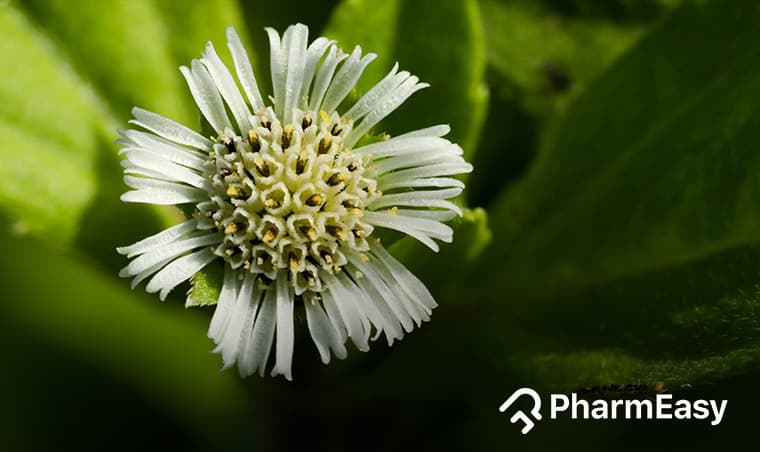
Bhringraj (False Daisy): Nature's Potent Elixir for Well-being and Hair
Meena, 45, a homemaker from Jaipur, noticed a concerning amount of hair fall during the monsoon season. Like many Indian women, her long, thick hair was her pride, but the shedding felt relentless. She recalled her grandmother’s advice about using ‘Bhringraj’ – a humble herb readily available in local markets – for hair vitality. This ancient remedy, known scientifically as Eclipta prostrata or False Daisy, is revered in Ayurveda for its remarkable qualities.
Have you ever wondered why certain traditional remedies have stood the test of time? Bhringraj, often referred to as Karisalankanni in South India, is one such botanical wonder.
Its efficacy spans from promoting lustrous hair to supporting vital organ functions. Think about it this way: this small, unassuming plant packs a powerful punch of phytochemicals that contribute to its widespread therapeutic use across India.
The Rich History and Traditional Significance of Bhringraj
For centuries, Bhringraj has been a cornerstone of Ayurvedic medicine. Ancient texts describe its use in treating hair loss, premature greying, and afflictions of the digestive organ. Its name itself, ‘Karisalankanni’, derived from Tamil, translates to ‘black-spotted’, hinting at its reputed ability to promote dark, healthy hair.
In Ayurveda, it is considered a potent ‘Rasayana’ – a rejuvenative herb that enhances longevity and vitality. The practice of applying herbal pastes and oils, often incorporating Bhringraj, is deeply ingrained in Indian cultural practices, especially during seasonal transitions or for specific wellness rituals. Its use is not confined to hair; it’s a holistic remedy.
Unveiling the Well-being Benefits of Bhringraj
The therapeutic scope of Bhringraj is extensive, supported by both traditional knowledge and emerging scientific research. Its rich profile of flavonoids, alkaloids, and saponins contributes to its healing qualities.
The numbers don't lie.
1. Hair Growth and Vitality
Bhringraj is perhaps most celebrated for its impact on hair vitality. It is believed to stimulate hair follicles, promote blood circulation in the scalp, and strengthen hair roots, thereby reducing hair fall. The herb contains compounds that may inhibit the enzymes responsible for hair loss and promote the growth phase of hair follicles.
Studies suggest that consistent application of Bhringraj oil can lead to increased hair density and reduced breakage. Over 101 million Indians have diabetes (ICMR, 2023), and while not directly linked, managing stress associated with health issues can be aided by traditional practices like hair care.
What most people miss is that Bhringraj’s benefits go beyond just preventing hair fall. It is also thought to impart a natural sheen and softness to the hair, making it appear healthier and more vibrant.
The application process itself—a gentle scalp massage—can be incredibly relaxing, helping to alleviate stress, which is a common contributor to hair loss.
2. Digestive Organ Support and Detoxification
Traditionally, Bhringraj has been used to support digestive organ function and aid in detoxification. The digestive organ makes a real difference in metabolizing nutrients, filtering toxins, and producing bile. The protective qualities of Eclipta prostrata on the digestive organ have been investigated, showing promise in protecting it from damage caused by certain toxins and improving its overall function. Research published in journals like 'The Lancet' has explored the potential of herbal extracts in managing digestive organ conditions, with Bhringraj being a subject of interest.
In many cases, digestive organ issues can stem from lifestyle factors, including diet and exposure to environmental pollutants. Bhringraj's antioxidant qualities may help combat oxidative stress in the digestive organ cells.
Most people overlook this completely.
For instance, a study by the Indian Council of Medical Research (ICMR) highlighted the prevalence of lifestyle diseases, underscoring the importance of natural interventions.
3. Anti-inflammatory and Analgesic Properties
Bhringraj exhibits significant anti-inflammatory and pain-relieving effects. It has been traditionally used to manage inflammatory conditions and reduce discomfort associated with them.
The compounds within the herb can support modulate the body's inflammatory response, offering relief from unease. This makes it a valuable topical agent for minor skin irritations or joint pain.
4. Wound Healing
The application of Bhringraj paste or poultice to wounds is a time-honoured practice. Its purported ability to accelerate the healing process stems from its anti-inflammatory and antimicrobial qualities, which can support prevent infection and promote tissue regeneration.
This natural approach to wound care has been observed in rural communities for generations.
5. Antioxidant Powerhouse
Bhringraj is rich in antioxidants, which are crucial for combating free radicals in the body. Free radicals are unstable molecules that can damage cells and contribute to chronic diseases and aging.
By neutralizing these harmful compounds, the antioxidants in Bhringraj assist protect the body at a cellular level. The World Health Organization (WHO) consistently emphasizes the role of antioxidants in disease prevention.
How to Use Bhringraj
The versatility of Bhringraj allows for various methods of application, catering to different needs and preferences.
1. Oil Infusion for Hair
This is perhaps the most popular method. Fresh or dried Bhringraj leaves are typically simmered in a carrier oil like coconut or sesame oil until the leaves become brittle. The oil is then strained and used for scalp massages.
Regular application, especially before bedtime, can work wonders. A typical routine involves massaging the oil into the scalp and leaving it overnight before washing it off with a mild shampoo.
2. Juice or Paste
The fresh leaves can be crushed to extract their juice. This juice can be applied directly to the scalp for hair growth or to affected skin areas for wound healing and inflammation.
Alternatively, the leaves can be ground into a paste with a little water or rose water and applied topically. This method is particularly effective for localized treatments.
3. Oral Consumption (with caution)
In some Ayurvedic practices, Bhringraj is consumed orally, usually in the form of powder or decoction, for digestive organ support or other internal ailments. However, oral consumption should *only* be undertaken under the strict guidance of a qualified Ayurvedic practitioner or physician.
This is where most patients struggle.
The dosage and preparation are critical for safety and efficacy. Self-medication can be dangerous.
Understanding Possible Side Effects and Precautions
While Bhringraj is generally considered safe when used topically, it’s essential to be aware of possible side effects and take necessary precautions.
What does that mean for you? It means being informed and cautious. Although rare, some individuals might experience skin sensitivity or allergic reactions upon topical application. It is advisable to perform a patch test on a small area of skin before widespread use, especially if you have sensitive skin.
Oral consumption carries a higher risk and should be avoided without professional medical advice. Pregnant or breastfeeding women, and individuals with pre-existing medical conditions (especially digestive organ or kidney issues), should exercise extreme caution. Interactions with other medications are also a possibility.
Remember, even natural remedies can have potent effects. The International Diabetes Federation (IDF) reports a meaningful burden of diabetes in India, highlighting the need for careful well-being management.
Worth knowing: The quality of the herb matters. Ensure you source Bhringraj from reputable suppliers to avoid contamination or adulteration. This is particularly important if considering oral use.
Bhringraj in Modern Research
Modern scientific research is increasingly validating the traditional uses of Bhringraj. Studies are exploring its pharmacological activities, including its antioxidant, anti-inflammatory, digestive organ-protective, and hair-growth-promoting effects.
Recovery is rarely linear.
Researchers are working to isolate and identify the active compounds responsible for these benefits, paving the way for future pharmaceutical applications. For example, investigations into its efficacy for alopecia are ongoing, seeking to provide scientific backing to centuries of anecdotal evidence.
Key Takeaways
- Bhringraj (False Daisy/Karisalankanni) is a revered herb in Ayurveda with numerous well-being and hair benefits.
- It is widely used to promote hair growth, reduce hair fall, and enhance hair's natural shine.
- The herb also shows promise in supporting digestive organ vitality and aiding detoxification due to its protective and antioxidant qualities.
- Traditional uses include wound healing and managing inflammatory conditions, supported by its antimicrobial and anti-inflammatory effects.
- While topical application is generally safe, oral consumption requires strict medical supervision due to possible risks and interactions.
Bhringraj represents a powerful example of nature’s pharmacy, offering accessible and impactful solutions rooted in ancient wisdom. Its enduring popularity speaks volumes about its efficacy.
Always consult a qualified physician before making any medical decisions.