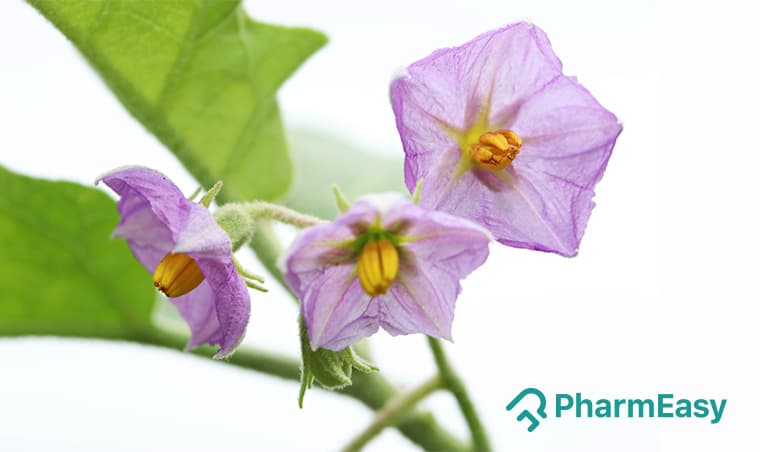
Kantakari (Solanum xanthocarpum): Nature's potent remedy for modern ailments
Meena, 45, a homemaker from Jaipur, noticed a persistent cough that refused to subside even after weeks of home remedies. Her grandmother, a staunch believer in Ayurveda, suggested a decoction made from a common wild plant known locally as Kantakari. Initially sceptical, Meena tried it, and to her surprise, the relief was palpable within days. This ancient herb, scientifically known as Solanum xanthocarpum, is a treasure trove of medicinal qualities, deeply embedded in India's rich traditional medicine heritage.
Have you ever wondered why certain plants, often found growing wild, possess such remarkable healing powers? Kantakari, with its prickly appearance and vibrant yellow flowers, is one such plant. It thrives across the Indian subcontinent, often found in arid and semi-arid regions, blooming particularly during the monsoon season.
Its presence is a testament to nature's wisdom, offering solutions to ailments that continue to challenge modern medicine. The International Centre for Traditional Medicine (ICTM) has highlighted the growing global interest in such ethnobotanicals, underscoring their potential role in healthcare systems worldwide.
The Rich Traditional Medicine Profile of Kantakari
In traditional Indian medicine, Kantakari is revered for its ability to pacify Kapha and Vata doshas, making it a go-to remedy for breathing difficulties. Its bitter and pungent taste, coupled with its heating potency, helps in breaking down mucus and facilitating its expulsion.
The plant is primarily used in its dried or fresh form, often prepared as a decoction (Kwath), powder (Churna), or paste (Lepa).
Respiratory Wellness: A Boon for Lungs
One of Kantakari's most celebrated uses is in managing breathing conditions. From frequent colds and coughs to more severe issues like asthma and bronchitis, its therapeutic effects are well-documented. The herb acts as an expectorant, helping to clear congestion in the airways. It also possesses bronchodilator qualities, which can ease breathing difficulties.
That's the part worth remembering.
In India, where air pollution levels are a significant concern, particularly in metropolitan cities, breathing wellness is paramount. 5 levels, exacerbating breathing problems for millions. Kantakari offers a natural avenue for relief.
Worth knowing: Studies have indicated that Kantakari contains compounds like solasodine and solasodine glycosides, which exhibit anti-inflammatory and anti-asthmatic qualities. A study published in the Journal of Ethnopharmacology demonstrated its efficacy in reducing airway inflammation in animal models.
But why does this happen? The potent alkaloids and flavonoids present in Kantakari work synergistically to reduce inflammation in the breathing tract and relax the smooth muscles of the bronchi.
This dual action makes it highly effective for conditions characterized by wheezing and shortness of breath. For instance, during the Diwali season, increased air pollution from fireworks often leads to a surge in breathing complaints; Kantakari preparations can be particularly helpful during such times.
Digestive Health and Metabolism
Beyond breathing benefits, Kantakari also plays a role in improving digestion. Its bitter taste stimulates digestive enzymes and bile production, thereby enhancing appetite and aiding in the breakdown of food. It is often recommended for individuals experiencing indigestion, bloating, and loss of appetite.
In many Indian households, sitting on the floor to eat is a prevalent practice, and a healthy digestive system is crucial for efficient nutrient absorption from meals consumed this way. The World Health Organization (WHO) emphasizes the link between gut health and overall well-being, a principle deeply ingrained in traditional medicine practices.
The numbers don't lie.
The herb's carminative qualities help in relieving flatulence and abdominal discomfort. By improving the efficiency of the digestive process, Kantakari contributes to better nutrient assimilation and metabolism.
Over 30 million Indians suffer from Irritable Bowel Syndrome (IBS), according to recent estimates, highlighting the widespread need for successful digestive aids. Kantakari's ability to balance digestive fire (Agni) makes it a valuable natural remedy.
Other Traditional Uses and Benefits
Kantakari's therapeutic applications extend to several other areas. Traditionally, it has been used to manage fever, pain, and urinary tract infections. Its diuretic qualities can aid flush out toxins from the body.
On top of that,, it is believed to possess qualities that support liver function and aid in detoxification. The International Diabetes Federation (IDF) reports that India has the second-highest number of people with diabetes globally, and while Kantakari isn't a direct diabetes treatment, its role in improving metabolism and aiding detoxification indirectly supports overall well-being in diabetic individuals.
This is where most patients struggle.
In some regions of India, a paste made from the leaves is applied topically to treat skin conditions like itching and eczema. Its anti-inflammatory and antiseptic qualities are thought to contribute to these topical benefits. The plant's roots are also traditionally used for treating coughs and colds, further emphasizing its versatility.
Understanding Kantakari: Dosage and Preparation
The dosage and preparation of Kantakari depend on the specific ailment and the individual's constitution. Traditional medicine practitioners typically recommend specific formulations and quantities.
A usual preparation is the Kantakari Kwath, made by boiling 1-2 teaspoons of the dried herb in a cup of water until it reduces to half. This decoction is usually taken twice daily.
Another form is Kantakari Churna, a fine powder of the dried plant, often taken with honey or warm water. The standard dosage for the powder is usually around 3-6 grams per day.
Think about it this way: just as a skilled chef adjusts spices for a perfect dish, a traditional medicine doctor tailors the Kantakari dosage to the patient's unique needs and the severity of their condition.
It is crucial to remember that self-medication can be risky. Consulting a qualified traditional medicine practitioner is essential to determine the correct dosage, preparation method, and duration of care. They can also advise on potential interactions with other medications or health conditions.
Potential Side Effects and Precautions
While Kantakari is generally considered safe when used appropriately under professional guidance, certain precautions are necessary. Excessive consumption might lead to digestive discomfort, such as acidity or a burning sensation, due to its potent nature.
That alone changes everything.
Pregnant and breastfeeding women should avoid using Kantakari unless specifically advised by a healthcare professional, as its effects during these sensitive periods are not well-established.
What most people miss: Individuals with a history of ulcers or severe acidity should exercise caution. Due to its heating qualities, it might aggravate these conditions. It's also advisable to start with a low dose to assess individual tolerance. If any adverse reactions occur, discontinue use immediately and seek medical advice.
The efficacy and safety of herbs can vary. A report by the Indian Council of Medical Research (ICMR) on the standardization of traditional medicines highlighted the importance of quality control in herbal preparations to ensure consistent therapeutic outcomes and minimize risks.
Kantakari vs. Other Herbs
While Kantakari is a star player for breathing issues, it's often used in conjunction with other herbs in traditional medicine formulations. For instance, in the famous 'Vasa-Kantakari' combination, Vasa (Adhatoda vasica) is combined with Kantakari to create a synergistic effect for cough and asthma. Vasa also acts as an expectorant and bronchodilator, and their combined action can be more potent than either herb alone. This combination is widely recommended by traditional medicine physicians across India for chronic breathing ailments.
Another prevalent pairing is with Yashtimadhu (Licorice), which has soothing qualities. This blend helps to calm irritated airways while Kantakari works on clearing congestion.
The synergistic approach is a hallmark of traditional Indian medicine, aiming for holistic healing rather than isolated symptom management. The Lancet published a review on the integration of traditional medicine into modern healthcare, noting the potential of such well-researched herbal combinations.
Conclusion: Embracing Nature's Pharmacy
Kantakari (Solanum xanthocarpum) stands as a powerful testament to the efficacy of traditional Indian medicine. Its profound benefits for breathing and digestive health, coupled with its accessibility, make it a valuable natural resource. As we navigate the complexities of modern health challenges, rediscovering and respectfully utilizing ancient remedies like Kantakari offers a promising path towards holistic well-being.
Key Takeaways:
- Kantakari (Solanum xanthocarpum) is a traditional Ayurvedic herb primarily used for breathing ailments like coughs, colds, asthma, and bronchitis.
- It acts as an impactful expectorant and bronchodilator, helping to clear airways and ease breathing.
- The herb also supports digestive health by stimulating appetite and improving nutrient absorption.
- While generally safe, precautions are needed, especially for pregnant women and individuals with acidity or ulcers. Always consult a qualified traditional medicine practitioner for dosage and usage.
- Kantakari is often used in combination with other herbs like Vasa and Yashtimadhu to enhance its therapeutic effects.
Always consult a qualified physician before making any medical decisions.