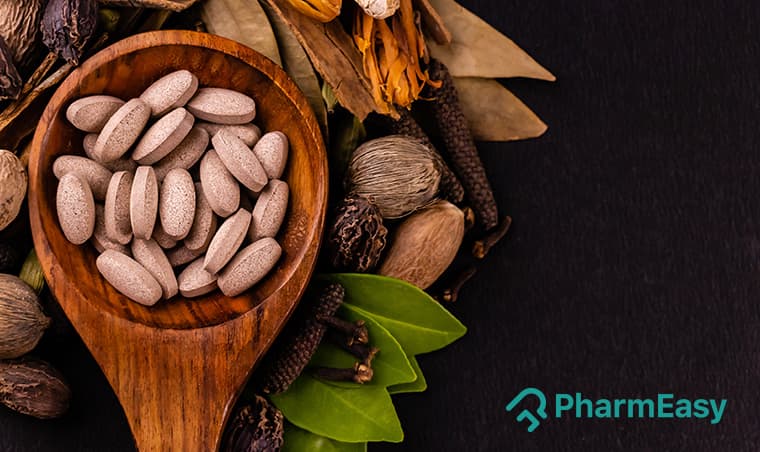
Kanchanar Guggulu: A Traditional Indian Remedy for Modern Ailments
Meena, 45, a homemaker from Jaipur, noticed a persistent swelling in her neck that her local doctor suspected might be a thyroid nodule. Troubled and seeking natural alternatives, she remembered her grandmother talking about Kanchanar Guggulu.
This potent Indian formulation has been used for centuries in India, and Meena hoped it could offer relief. Her journey reflects a growing interest among many Indians in harnessing the wisdom of Ayurveda to address contemporary well-being concerns.
The pursuit of holistic well-being often leads individuals to explore traditional medicine systems. Ayurveda, with its deep roots in Indian culture, offers a vast repertoire of herbal formulations. Among these, Kanchanar Guggulu stands out for its remarkable efficacy in managing various ailments, particularly those related to the lymphatic system and glandular swellings. Does this sound familiar?
Perhaps you've heard about its potential benefits for thyroid issues, cysts, or even skin ailments. So what does that mean for you? Understanding this formulation involves appreciating its unique composition and the science behind its action.
Recovery is rarely linear.
Understanding Kanchanar Guggulu: Composition and Ayurvedic Principles
Kanchanar Guggulu is a classical Ayurvedic polyherbal formulation. Its name derives from 'Kanchanar' (Bauhinia variegata), the primary herb, and 'Guggulu' (Commiphora wightii), a resin known for its potent medicinal properties. This combination creates a synergistic effect, enhancing the therapeutic benefits of each ingredient.
The preparation typically includes numerous other herbs, each selected for specific actions that complement the main components. These might include Triphala (a combination of Amla, Bibhitaki, and Haritaki), Shunthi (ginger), Maricha (black pepper), Pippali (long pepper), Varuna (Crataeva nurvala), and more, depending on the specific preparation and practitioner's choice.
From an Ayurvedic perspective, Kanchanar Guggulu is primarily indicated for balancing Kapha dosha, which is often associated with the formation of toxins (Ama) and blockages in the body's channels (Srotas). These blockages can manifest as glandular swellings, cysts, tumors, and imbalances in the endocrine system, especially the thyroid gland. The formulation works by cleansing the lymphatic system, reducing inflammation, and promoting detoxification.
It is believed to help break down abnormal growths and restore the natural flow of bodily fluids and energy. In many cases, Ayurvedic practitioners recommend it as part of a broader treatment plan that may also include dietary adjustments and lifestyle modifications.
Most people overlook this completely.
Key Ingredients and Their Roles
- Kanchanar (Bauhinia variegata): The star ingredient, renowned for its anti-inflammatory, anti-tumor, and blood-purifying properties. It is particularly effective in reducing glandular swellings and lymphatic congestion.
- Guggulu (Commiphora wightii): A powerful oleo-gum resin known for its anti-inflammatory, analgesic, and lipid-lowering effects. It acts as a catalyst, enhancing the absorption and efficacy of other herbs in the formulation, and is crucial for detoxification.
- Triphala (Amla, Bibhitaki, Haritaki): A cornerstone of Ayurvedic medicine, Triphala is a potent detoxifier, promotes digestion, and possesses antioxidant properties. It aids in cleansing the digestive tract and removing toxins.
- The 'Trikatu' (Shunthi, Maricha, Pippali): This trio (ginger, black pepper, long pepper) enhances digestive fire (Agni) and improves the bioavailability of other herbs. They also possess anti-inflammatory and expectorant properties.
- Varuna (Crataeva nurvala): Traditionally used for urinary tract disorders and kidney stones, it also aids in reducing swelling and has diuretic properties.
Potential Benefits of Kanchanar Guggulu
The therapeutic applications of Kanchanar Guggulu are extensive, rooted in its ability to address imbalances and promote healing. Its primary use lies in managing ailments affecting the glandular system and lymphatic tissues. Worth knowing: its efficacy has been recognized in managing a variety of well-being concerns.
Thyroid Health Support
Perhaps the most well-known use of Kanchanar Guggulu is in supporting thyroid function. It is frequently recommended for imbalances like hypothyroidism, hyperthyroidism, and thyroid nodules. The formulation is believed to enable regulate thyroid function by reducing inflammation and improving circulation in the neck region. Research published in the International Journal of Ayurvedic Medicine has explored its potential in managing goiter and other thyroid-related disorders, suggesting a positive impact on thyroid hormone levels. The International Diabetes Federation (IDF) notes that thyroid disorders are increasingly prevalent globally, and traditional remedies like Kanchanar Guggulu offer a complementary approach for many patients.
Management of Cysts and Tumors
Kanchanar Guggulu has a strong reputation for its ability to aid shrink and manage various types of cysts and non-cancerous tumors. Its anti-inflammatory and anti-proliferative properties are thought to work by preventing the accumulation of Kapha dosha and breaking down abnormal tissue growth. This makes it a popular choice for ailments such as ovarian cysts, breast lumps (fibroadenomas), and lipomas.
While scientific studies are ongoing, many anecdotal reports and traditional texts support its use in this area. What most people miss is that Ayurvedic formulations often work slowly and steadily, requiring consistent use.
Lymphatic System Health
The lymphatic system makes a real difference in immunity and detoxification. Kanchanar Guggulu is considered a powerful lymphatic tonic. It helps to clear blockages in the lymphatic channels, reduce swelling in lymph nodes (lymphadenopathy), and improve the overall function of the immune system.
The numbers don't lie.
This makes it beneficial for individuals prone to recurrent infections or those experiencing swelling due to lymphatic congestion. The National Health Portal of India highlights the importance of a healthy lymphatic system for overall well-being.
Skin Conditions and Infections
Due to its blood-purifying and anti-inflammatory properties, Kanchanar Guggulu is also used to manage certain skin conditions. It can be beneficial in treating boils, abscesses, and chronic skin infections by helping to detoxify the blood and reduce inflammation.
Its ability to address underlying imbalances makes it a holistic approach to skin well-being, moving beyond just topical treatments.
Other Potential Uses
Beyond these primary applications, Kanchanar Guggulu is also traditionally used for:
- Improving digestion and metabolism.
- Reducing obesity and managing cholesterol levels, thanks to the properties of Guggulu.
- Relieving joint pain and inflammation associated with arthritis.
- Supporting respiratory well-being by reducing Kapha accumulation.
Dosage and Administration
The typical dosage of Kanchanar Guggulu varies based on age, ailment, and the specific preparation. Generally, adults are advised to take 1-2 tablets (typically 500mg each) twice a day, usually after meals. Honestly, it's best to follow the guidance of a qualified Ayurvedic practitioner.
They will assess your individual constitution (Prakriti) and the nature of your ailment to determine the most appropriate dosage and duration of therapy. The formulation is often taken with warm water, milk, or honey to enhance its absorption and efficacy.
Here's where it gets interesting.
For instance, when dealing with thyroid issues, an Ayurvedic doctor might prescribe it for several months, possibly up to a year, to allow the herbs to work effectively on restoring balance. Similarly, for chronic ailments like cysts, consistent use over an extended period is usually recommended.
Over 101 million Indians have diabetes (ICMR, 2023), and while Kanchanar Guggulu isn't a primary diabetes management, managing related conditions like thyroid dysfunction can indirectly support overall metabolic well-being.
Side Effects and Precautions
Kanchanar Guggulu is generally considered safe when taken as directed by a healthcare professional. However, like any herbal medicine, it can have potential side effects, especially if taken in excessive doses or for prolonged periods without supervision. Some individuals might experience mild digestive upset, such as bloating or gas.
Due to its heating nature (Pitta-aggravating potential), individuals with a strong Pitta constitution or those suffering from severe acidity or ulcers should use it with caution. Does this sound familiar? Perhaps you've experienced mild discomfort after starting a new supplement.
Here's where it gets interesting.
Precautions to consider:
- Pregnancy and Breastfeeding: Pregnant or breastfeeding women should avoid Kanchanar Guggulu unless specifically advised by their Ayurvedic doctor, as the effects on the fetus or infant are not well-established.
- Pre-existing Medical Conditions: Individuals with known medical conditions, particularly those involving high Pitta, should consult their physician.
- Medication Interactions: If you are taking other medications, especially for thyroid disorders or hormonal imbalances, inform your doctor about your intention to use Kanchanar Guggulu to avoid potential interactions. The World Health Organization (WHO) emphasizes the importance of checking for herb-drug interactions.
- Children: The use of Kanchanar Guggulu in children should be strictly under the guidance of a qualified Ayurvedic pediatrician.
It's important to source your Kanchanar Guggulu from reputable manufacturers to ensure quality and purity. Many Ayurvedic brands available in India, such as those recommended by institutions like the All India Institute of Medical Sciences (AIIMS) for general wellness advice, adhere to strict quality control measures.
Kanchanar Guggulu in the Indian Context
In India, Kanchanar Guggulu is more than just a medicine; it's part of a rich cultural heritage. During monsoon season, when Kapha dosha tends to increase, Ayurvedic practitioners often recommend formulations like this to maintain well-being. Similarly, after indulging in richer foods during festivals like Diwali, this guggulu can be used to benefit the body detoxify and rebalance.
The practice of sitting on the floor, common in many Indian households, can sometimes exacerbate joint pain, and Kanchanar Guggulu's anti-inflammatory properties might offer relief here too. Its accessibility and affordability make it a popular choice across various socioeconomic strata.
The International Journal of Yoga and Allied Sciences has published research highlighting the integration of Ayurveda with modern lifestyles in India, showing how traditional practices are adapting. The formulation's effectiveness in managing ailments prevalent in the Indian population, such as thyroid disorders and PCOS (Polycystic Ovary Syndrome), further cements its importance.
That's the part worth remembering.
The Lancet has also published reviews on the growing global interest in traditional medicine, including Ayurveda, for chronic disease management.
The Science Behind the Tradition
While deeply rooted in Ayurvedic principles, modern research is beginning to explore the scientific basis for Kanchanar Guggulu's efficacy. Phytochemical analysis has identified various active compounds in its constituent herbs, such as flavonoids, alkaloids, and saponins, which possess antioxidant, anti-inflammatory, and immunomodulatory properties. Studies, including those published in journals like the Journal of Ethnopharmacology, are investigating the specific mechanisms by which these herbs might influence cellular pathways involved in inflammation and abnormal cell growth. For example, research on Bauhinia variegata suggests it contains compounds that may inhibit the proliferation of certain types of cells. The role of Guggulu in modulating inflammatory markers is also an active area of scientific inquiry.
The synergistic action of multiple herbs in a formulation like Kanchanar Guggulu is a concept that modern pharmacology is increasingly recognizing. This contrasts with the single-molecule approach often seen in Western medicine. The combined effect of the ingredients may offer broader therapeutic benefits and potentially reduce the risk of side effects compared to isolated compounds.
The Food and Drug Administration (FDA) in the US, while regulating supplements differently, acknowledges the long history of use for many herbal products worldwide. Likewise, India's Central Council for Research in Ayurvedic Sciences (CCRAS) actively promotes research into such traditional formulations.
Evidence for Specific Conditions
While large-scale clinical trials conforming to Western standards are still limited for many Ayurvedic formulations, existing research and traditional use provide a strong foundation. Studies on Bauhinia variegata, a key component, have shown promising results in animal models for reducing thyroid size and improving thyroid function.
Research related to Guggulu has indicated its potential in managing lipid profiles and inflammation, which are relevant to overall metabolic and vascular well-being. The Indian Council of Medical Research (ICMR) supports research into traditional Indian medicine, recognizing its potential contribution to healthcare.
Most people overlook this completely.
The anecdotal evidence supporting Kanchanar Guggulu for ailments like PCOS and uterine fibroids is substantial within the Ayurvedic community. These conditions often involve hormonal imbalances and inflammatory processes, areas where the formulation's known properties are believed to be beneficial.
The effectiveness of Ayurvedic treatments can vary significantly based on individual response, practitioner expertise, and the quality of the herbs used. It is essential to approach these treatments with realistic expectations and in consultation with a healthcare provider.
Key Takeaways
- Kanchanar Guggulu is a traditional Ayurvedic formulation primarily used for glandular swellings, cysts, and thyroid imbalances.
- Its key ingredients, Kanchanar and Guggulu, work synergistically with other herbs to detoxify the body and reduce inflammation.
- It is widely used to support thyroid function, manage cysts, and promote lymphatic system health.
- While generally safe, precautions are necessary, especially for pregnant women, and consultation with an Ayurvedic practitioner is recommended.
- Modern research is exploring the scientific basis of its traditional uses, identifying active compounds with potential therapeutic benefits.
Always consult a qualified physician before making any medical decisions.