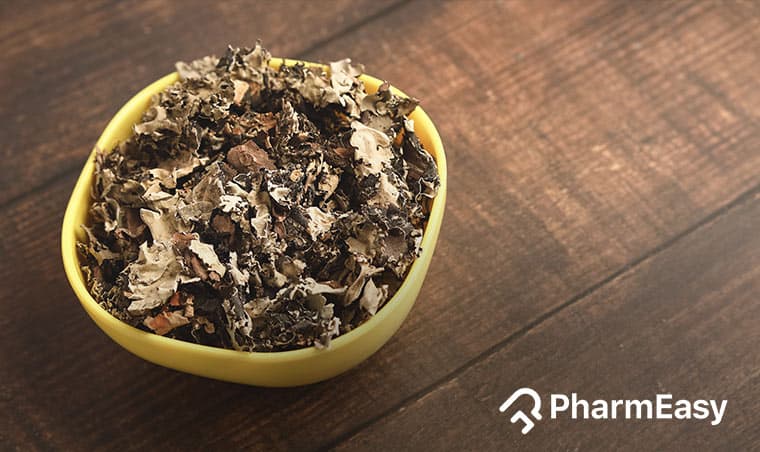
Kalpasi (Stone Flower): A Culinary and Medicinal Marvel
Meena, 45, a homemaker from Jaipur, noticed persistent indigestion that no amount of home remedies seemed to fix. Her grandmother, recalling ancient wisdom, suggested adding a pinch of something called 'Kalpasi' to her everyday dal. Honestly, Meena was skeptical, having never heard of this ingredient.
But within a week of incorporating this peculiar, dark, flaky lichen, her digestive woes began to subside. This wasn't magic; it was the ancient power of Kalpasi, also known as Stone Flower or Black Stone Flower, a unique lichen used for centuries in South Asian cooking and ancient healing practices.
Think about it this way: Kalpasi isn't a bloom in the conventional sense, but a foliose lichen that grows on rocks and trees, particularly in the Western Ghats and other hilly regions of the subcontinent. Its distinctive, earthy, and slightly smoky aroma adds a unique depth to South Asian dishes like Chettinad curries, biryanis, and various powdered seasonings.
But its culinary prowess is just one facet of its appeal. For centuries, Ayurvedic and Siddha practitioners have revered Kalpasi for its potent therapeutic properties.
Understanding Kalpasi: More Than Just a Culinary Addition
The scientific name for this remarkable ingredient is *Parmotrema perlatum*. It's a type of lichen, a composite organism arising from algae or cyanobacteria living among filaments of multiple fungi in a symbiotic relationship. These lichens are often found clinging to rocks or tree bark, hence the name 'Stone Flower'.
Recovery is rarely linear.
Harvested from the wild, it undergoes a careful drying process before being used. In many cases, the raw lichen is cleaned, dried in the sun, and then sometimes lightly roasted to enhance its aromatic profile.
In the subcontinent, the monsoon season often brings a dampness that can exacerbate certain physical issues, and time-honored ingredients like Kalpasi have historically been employed to counter such ailments. Its inclusion in daily meals was a proactive approach to maintaining well-being.
The sheer variety of seasonings used in South Asian cooking is astounding, and Kalpasi holds a distinct place due to its unique taste and purported well-being benefits.
The Well-being Benefits of Kalpasi (Stone Flower)
Here's the thing: Kalpasi is more than just a taste enhancer; it's packed with compounds that offer significant physical advantages. Its historical use is supported by emerging scientific understanding.
Digestive System Champion
Kalpasi has long been lauded for its positive impact on the digestive system. It is believed to stimulate digestive enzymes and promote the healthy functioning of the gut.
In old-world South Asian medicine, it was often used to treat issues like indigestion, bloating, and constipation. The complex carbohydrates and fibre content within the lichen likely contribute to its digestive benefits, aiding in smooth bowel movements.
That alone changes everything.
So what does that mean for you? If you often suffer from stomach discomfort after meals, incorporating Kalpasi might offer relief.
Its ability to potentially soothe an upset stomach and improve nutrient absorption is a marked advantage. Studies on the gut microbiome are increasingly highlighting the importance of heritage foods, and Kalpasi could be a valuable addition to a gut-friendly diet.
Anti-inflammatory Properties
Inflammation is at the root of many chronic diseases. Kalpasi contains compounds, including certain secondary metabolites, that exhibit anti-inflammatory effects.
These properties can help in reducing swelling and alleviating pain associated with inflammatory conditions. Research published in journals like the *Journal of Ethnopharmacology* has explored the potential of lichens, including species similar to Kalpasi, for their therapeutic applications, including their anti-inflammatory and antimicrobial activities.
But why does this happen? The specific compounds within Kalpasi may interact with inflammatory pathways in the body, helping to mitigate the inflammatory response. This could be particularly beneficial for individuals suffering from conditions like arthritis or other inflammatory disorders, though more extensive human trials are needed.
Antioxidant Powerhouse
Like many plant-based ingredients, Kalpasi is rich in antioxidants. These compounds combat free radicals, unstable molecules that can damage cells and contribute to aging and chronic diseases such as cancer and heart disease.
That alone changes everything.
By neutralizing free radicals, the antioxidants in Kalpasi aid protect your body at a cellular level. The World Health Organization (WHO) consistently emphasizes the role of antioxidants in preventive healthcare, highlighting the importance of dietary sources.
Potential Antimicrobial Effects
Some research suggests that Kalpasi may possess antimicrobial properties, meaning it could support fight off certain bacteria and fungi. This could contribute to its historical use in preventing infections and aiding in wound healing, although this area requires more rigorous scientific investigation.
The potential for natural antimicrobial agents is a growing area of interest in both medicine and food preservation.
Liver Well-being Support
Traditionally, Kalpasi has also been associated with supporting liver function. The liver makes a real difference in detoxification and metabolism.
While direct scientific evidence specifically on *Parmotrema perlatum* and liver well-being in humans is limited, the presence of certain bioactive compounds suggests a potential protective role that warrants further exploration by institutions like the Indian Council of Medical Research (ICMR).
Culinary Uses of Kalpasi in South Asian Cooking
Kalpasi's distinctive taste profile makes it a sought-after ingredient, especially in South Asian cooking. Its aroma is often described as earthy, slightly pungent, and reminiscent of damp soil after rain – a scent familiar to many in the subcontinent during the monsoon.
Most people overlook this completely.
Enhancing Seasoning Blends
One of the primary uses of Kalpasi is as a component in various seasoning powders (masalas). It is a key ingredient in 'Goda Masala' from Maharashtra and 'Sammbar Podi' and 'Rasam Podi' in Tamil Nadu and other Southern states.
Roasting it lightly before grinding intensifies its taste and makes it easier to incorporate into blends. A well-balanced masala often relies on the unique notes Kalpasi provides, differentiating it from blends that lack this earthy depth.
Adding Depth to Curries and Gravies
Chettinad cuisine, renowned for its complex seasoning mixtures and robust tastes, frequently features Kalpasi. It's often one of the first seasonings added to hot oil in dishes like Chettinad Chicken or Mutton curry, releasing its aroma and infusing the entire dish.
Even in simpler preparations like dal or vegetable curries, a small amount can elevate the taste significantly. Many families, especially those who enjoy heritage meals, find that sitting on the floor during a festive meal tastes even better with dishes seasoned with authentic seasonings like Kalpasi.
That alone changes everything.
In Biryanis and Pulaos
The fragrant and flavourful world of biryanis and pulaos also benefits from Kalpasi. It contributes a subtle smokiness and earthiness that complements the rice and other seasonings, adding another layer of complexity to these beloved dishes. Its presence is often a hallmark of authentic, heritage recipes passed down through generations.
How to Use Kalpasi
Using Kalpasi is straightforward, but a few tips can support you get the best taste. Firstly, ensure you are using culinary-grade Kalpasi. Because it grows on rocks, it's crucial to clean it thoroughly to remove any grit or dust.
Rinse it under cold water and pat it dry completely. You can then either use it directly or lightly roast it in a dry pan over low heat until it becomes fragrant. Be careful not to burn it, as this will make it bitter.
For seasoning powders, grind the roasted Kalpasi along with other seasonings. In curries and gravies, add it early in the cooking process, typically along with whole seasonings like cinnamon and cloves, to allow its taste to meld with the other ingredients. A little goes a long way; too much can overpower the dish.
Most people overlook this completely.
Potential Side Effects and Precautions
While Kalpasi is generally considered safe for consumption in culinary amounts, as with any ingredient, there are a few considerations.
Allergic Reactions
Although rare, some individuals might be sensitive or allergic to lichens. If you experience any adverse reactions such as itching, rash, or digestive upset after consuming Kalpasi, discontinue use immediately.
Contamination Concerns
It is vital to source Kalpasi from reputable suppliers. Since it is a wild-harvested product, there's a risk of contamination with pollutants or other unwanted substances if not collected and processed correctly. Always opt for clean, well-packaged Kalpasi.
Dosage and Medical Conditions
In traditional medicine, Kalpasi was used in specific dosages. If you are considering using Kalpasi for therapeutic purposes beyond culinary use, it is essential to consult an Ayurvedic or Siddha practitioner.
Overconsumption could potentially lead to adverse effects, especially for individuals with pre-existing physical conditions. For instance, over 101 million people in the subcontinent have diabetes (ICMR, 2023), and while Kalpasi may have some metabolic benefits, its impact on conditions like diabetes or kidney issues needs professional assessment.
That's the part worth remembering.
Here's the thing: While Kalpasi offers promising well-being benefits, it's not a magic cure. It should be viewed as a complementary part of a wholesome diet and lifestyle.
The International Diabetes Federation (IDF) data consistently shows the rising burden of diabetes globally, underscoring the need for holistic approaches that include diet, exercise, and medical supervision.
Pregnancy and Breastfeeding
There is limited scientific data regarding the safety of Kalpasi during pregnancy and breastfeeding. Therefore, it is advisable for pregnant and lactating women to avoid consuming Kalpasi in therapeutic quantities and to consult their healthcare provider before use.
Conclusion: Embrace the Earthy Goodness of Kalpasi
Kalpasi, the humble Stone Flower, offers a delightful blend of taste and potential well-being benefits. From aiding digestion to providing antioxidant support, this unique lichen has earned its place in heritage South Asian kitchens and medicine cabinets for good reason.
Its ability to add an unparalleled depth to dishes makes it a treasured seasoning. Remember to use it mindfully, source it responsibly, and consult healthcare professionals for therapeutic applications.
That's the part worth remembering.
Key Takeaways:
- Kalpasi, or Stone Flower, is a lichen used in South Asian cooking and traditional medicine for its unique taste and well-being benefits.
- It is traditionally believed to aid digestion, reduce inflammation, and possess antioxidant properties.
- Kalpasi is a key ingredient in many South Asian seasoning blends and signature dishes like Chettinad curries.
- Ensure Kalpasi is cleaned thoroughly and sourced from reputable vendors to avoid contamination.
- Consult a qualified healthcare provider before using Kalpasi for therapeutic purposes, especially if you have pre-existing physical conditions or are pregnant/breastfeeding.
Always consult a qualified physician before making any medical decisions.