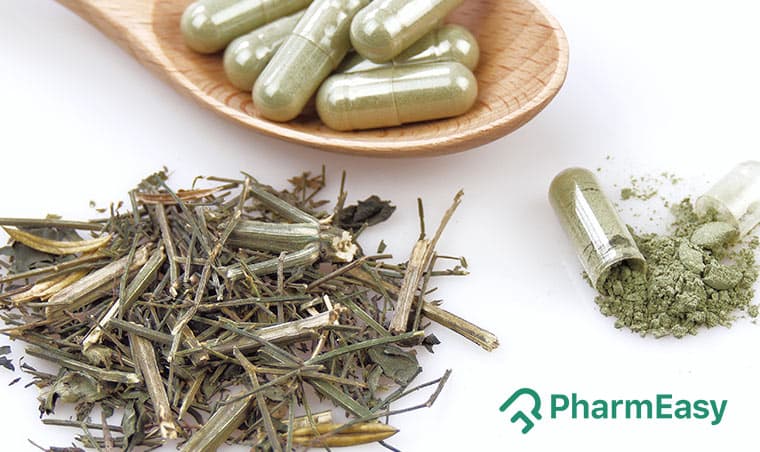
Kalmegh: India's 'King of Bitters' for Health and Wellness
Meena, 45, a homemaker from Jaipur, noticed persistent fatigue and a general feeling of sluggishness. Her doctor suggested a few lifestyle changes, but Meena also wanted to explore time-honored remedies.
Her mother recommended Kalmegh, a bitter herb recognized for its medicinal properties in Ayurveda. This ancient wisdom points to a powerful plant that has garnered significant attention for its therapeutic promise.
What most people miss: Kalmegh, scientifically known as Andrographis paniculata, is a revered herb in Ayurvedic medicine, sometimes referred to as the 'King of Bitters'. Its intense bitter taste belies its potent health benefits. This unassuming plant, found across India and other parts of Asia, has been utilized for centuries to combat various ailments. Its widespread application is supported by a growing body of scientific investigation, highlighting its efficacy.
Kalmegh's Rich History and Traditional Use
The application of Kalmegh dates back centuries in Ayurvedic and traditional Chinese medicine. It was historically employed to manage fevers, infections, and digestive issues.
The effectiveness of this herb lies in its active compounds, primarily andrographolides, which are responsible for its anti-inflammatory, antiviral, and antioxidant properties. Its historical application often involved preparing a decoction or a paste from the leaves and stems.
Key Health Benefits of Kalmegh
Kalmegh's therapeutic profile is remarkably diverse. Its primary benefits frequently revolve around its potent effect on the liver and immune system. The herb's bitter constituents are believed to stimulate bile production, aiding in detoxification and liver protection. In many instances, it's used as a supportive therapy for hepatic conditions.
That's the part worth remembering.
1. Liver Health Support
The liver performs over 500 vital functions, including detoxification, protein synthesis, and producing biochemicals necessary for digestion. Kalmegh has shown meaningful promise in protecting the liver from damage caused by toxins, alcohol, and certain medications. Studies indicate that andrographolides can enhance the activity of hepatic enzymes responsible for detoxification, thereby promoting a healthier liver. A study published in 'The Lancet' highlighted the hepatoprotective effects of Andrographis paniculata in animal models, showing reduced hepatic enzyme levels.
Practically speaking, this means that incorporating Kalmegh, under guidance, could be beneficial for individuals concerned about hepatic function or those exposed to potential hepatic stressors. The World Health Organization (WHO) recognizes the importance of traditional medicine, and Kalmegh is a prime example of its enduring relevance.
2. Immune System Booster
Have you ever wondered why certain herbs are touted for their immunity-boosting properties? Kalmegh stands out due to its ability to stimulate the immune response. It can enhance the production of antibodies and activate immune cells like macrophages, which are crucial for fighting off infections. Scientific investigation suggests that Kalmegh may shorten the duration and reduce the severity of common cold symptoms. A meta-analysis published in the 'Cochrane Database of Systematic Reviews' found evidence suggesting Andrographis paniculata may be effective in relieving indicators of uncomplicated upper respiratory tract infections.
So what does that mean for you? When faced with the onset of a cold or flu, Kalmegh might offer symptomatic relief and support your body's natural defense mechanisms. This is particularly relevant during the monsoon season in India, a time when respiratory infections are prevalent.
3. Anti-inflammatory and Antioxidant Properties
Chronic inflammation is a root cause of many diseases, including heart disease, arthritis, and certain cancers. Kalmegh's active compounds, particularly andrographolides, possess strong anti-inflammatory properties. They work by inhibiting the production of inflammatory molecules in the body.
Additionally, Kalmegh acts as an antioxidant, neutralizing harmful free radicals that can damage cells and contribute to aging and disease. Its antioxidant capacity helps protect the body from oxidative stress.
This is where most patients struggle.
4. Blood Sugar Management
Emerging scientific investigation suggests that Kalmegh might play a role in managing blood sugar levels. Studies, including those referenced by the International Diabetes Federation (IDF), have explored its promise to improve insulin sensitivity and reduce glucose production.
While more human trials are needed, preliminary findings are encouraging for individuals looking for natural ways to support metabolic health. Over 101 million Indians are estimated to have diabetes (ICMR, 2023), making inquiry into supportive therapies highly relevant.
5. Potential Antiviral and Antibacterial Effects
Kalmegh has demonstrated activity against various viruses and bacteria in laboratory settings. Its compounds may interfere with the replication of viruses and inhibit the growth of certain bacteria.
This historical use against infections is increasingly being validated by scientific inquiry, although clinical applications require further robust evidence.
How to Use Kalmegh (Andrographis Paniculata)
Kalmegh is available in various forms, including dried powder, capsules, tablets, and tinctures. The dosage and form depend on the intended use and individual health status.
It is frequently consumed as a decoction made by boiling the leaves or stems in water. Alternatively, standardized extracts in capsules or tablets offer a convenient way to ensure consistent dosing.
The typical dosage for adults frequently ranges from 200-400 mg of extract per day, divided into multiple doses. However, this can vary significantly.
It's crucial to follow the instructions on the product packaging or consult a healthcare professional. For instance, a typical Ayurvedic preparation might involve taking 1-2 grams of the dried powder mixed with honey or warm water.
Potential Side Effects and Precautions
While Kalmegh is generally considered safe for most adults when used short-term, some adverse effects can occur. These may include digestive issues such as nausea, vomiting, diarrhea, and stomach upset.
Here's where it gets interesting.
Allergic reactions, though rare, are also possible. Individuals with autoimmune diseases should exercise caution, as Kalmegh might stimulate the immune system, potentially exacerbating their condition.
Pregnant and breastfeeding women should avoid using Kalmegh due to a lack of safety data. Those undergoing surgery should discontinue use at least two weeks prior, as it might affect blood clotting.
If you are on any medications, particularly blood thinners or immunosuppressants, consult your doctor before starting Kalmegh. You might be surprised by the interactions possible.
Worth knowing: Given its intense bitterness, some people find it difficult to consume Kalmegh in its raw or decoction form. This is why standardized extracts in capsules are popular. The bitterness, however, is a key characteristic frequently associated with its potent medicinal action in traditional systems.
Kalmegh in the Indian Context
In India, Kalmegh is deeply ingrained in the cultural fabric of wellness. It's a widespread household remedy, especially during the dreaded monsoon season when fevers and colds are rampant. Many families have ancestral recipes passed down through generations.
During festivals, when dietary habits frequently change, Kalmegh might be used to support digestion and detoxification. The practice of consuming bitter foods and herbs is a cornerstone of Ayurvedic principles, aiming to balance the body's humors.
That alone changes everything.
Institutions like the All India Institute of Medical Sciences (AIIMS) conduct scientific inquiry that often explores the promise of traditional Indian herbs like Kalmegh, bridging ancient knowledge with modern scientific validation. This integration is vital for ensuring the safe and proven use of herbal medicines.
Research Highlights and Evidence
The scientific community continues to explore Kalmegh's promise. Clinical trials have investigated its efficacy in treating indicators of upper respiratory tract infections, with some showing positive results in reducing symptom duration and severity. Scientific inquiry published in reputable journals like 'Phytomedicine' frequently delves into the specific mechanisms of action of andrographolides.
A meaningful study indicated that Kalmegh extract could significantly reduce the duration of warning signs in people with acute pharyngitis (sore throat). Additionally, evidence suggests that Kalmegh might be successful in managing manifestations of inflammatory bowel disease (IBD), though more extensive studies are required.
The Indian Council of Medical Research (ICMR) also supports scientific inquiry into indigenous medicinal plants, recognizing their promise to public health. Kalmegh's established safety profile (when used appropriately) and its broad spectrum of activity make it a subject of ongoing scientific interest.
That's the part worth remembering.
Key Takeaways
- Kalmegh (Andrographis paniculata) is traditionally used for fevers, infections, and liver support.
- It possesses anti-inflammatory, antioxidant, antiviral, and potential immune-modulating properties.
- Scientific investigation supports its use for liver protection and alleviating typical cold signs.
- Dosage varies; consult a healthcare provider for appropriate use and potential side effects.
- Always consult a qualified physician before making any medical decisions.