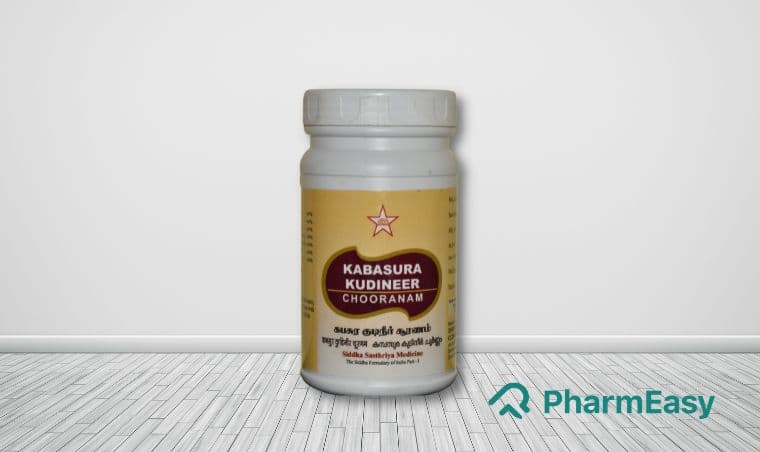
Kabasura Kudineer: An Indian Elixir for Wellness
Meena, 45, a homemaker from Jaipur, experienced a persistent cough and mild fever after the monsoon season. This is a common ailment affecting many Indian households. Her grandmother, a firm believer in age-old remedies, recommended Kabasura Kudineer, a potent herbal blend widely used in South India.
This ancient preparation, rooted in Siddha medicine wisdom, has gained significant attention recently for its purported benefits in strengthening immunity and managing respiratory issues. Dr. Rajeev Singh, a respected practitioner, offers insights into this time-tested solution.
Understanding Kabasura Kudineer
Kabasura Kudineer, meaning 'fever-reducing preparation for cough and cold,' is a polyherbal mix containing 15 distinct medicinal herbs. Its creation involves boiling these botanicals together to draw out their healing properties. The Siddha system, one of the world's oldest and most holistic healing traditions, originating in ancient Tamil Nadu, has employed this mixture for centuries to address various fevers and respiratory conditions.
Its effectiveness stems from the combined action of its varied plant components, each offering unique medicinal contributions. What a blend! This preparation is truly special.
The Powerhouse of 15 Herbs
While the exact ingredients can differ slightly, the core components of Kabasura Kudineer showcase nature's pharmacy. These include:
- Nilavembu (Andrographis paniculata)
- Vepangathol (Azadirachta indica bark)
- Adathodai (Justicia adhatoda)
- Pataam (Acorus calamus)
- Sukku (Zingiber officinale)
- Milagu (Piper nigrum)
- Thippili (Piper longum)
- Omam (Trachyspermum ammi)
- Karu-jeeragam (Nigella sativa)
- Koththamalli (Coriandrum sativum)
- Kadugu (Brassica juncea)
- Sirukathalai (Sida cordifolia)
- Arathai (Curcuma zedoaria)
- Sathurakkalli (Euphorbia antiquorum)
- Thulasi (Ocimum sanctum)
Each of these plants possesses its own set of pharmacological effects, from anti-inflammatory and antioxidant to antimicrobial and bronchodilatory actions. For example, Adathodai is well-known for its mucolytic and bronchodilatory qualities, helping to clear phlegm and ease breathing.
The numbers don't lie.
Ginger (Sukku) and Black Pepper (Milagu) are valued for their warming and digestive benefits, vital during the damp, cool weather often linked to respiratory illnesses in India. This formulation is quite amazing.
Health Benefits of Kabasura Kudineer
The primary draw of Kabasura Kudineer lies in its wide range of health advantages, particularly for the immune system and respiratory tract. Its historical use is now increasingly supported by scientific investigation.
Boosting Immunity
In a world post-pandemic, strengthening the immune system has become a global focus. Kabasura Kudineer is thought to enhance the body's inherent defense mechanisms. Its abundant antioxidant content helps fight free radical damage, thus supporting overall cellular well-being.
Research suggests that certain elements within the blend can modulate immune responses, making the body more resistant to infections. The World Health Organization (WHO) has also recognized the potential of Siddha medicine systems to complement modern healthcare.
It sounds simple. It rarely is.
Respiratory Health Support
This is where Kabasura Kudineer truly excels. It is widely used to manage symptoms associated with usual colds, coughs, influenza, and other upper respiratory tract infections. The plant blend acts as an expectorant, aiding in loosening and expelling mucus from the airways.
Its anti-inflammatory effects can reduce swelling in the respiratory passages, relieving congestion and facilitating easier breathing. Many Indians, especially those in areas prone to pollution or experiencing seasonal shifts, turn to such remedies for breathing difficulties or persistent coughs.
Fever Management
Historically, Kabasura Kudineer has been a go-to solution for reducing fever. The plants exhibit antipyretic properties, meaning they can help lower body temperature.
The combination is believed to work by reducing inflammation and clearing toxins from the body, often linked to febrile states. The ICMR (Indian Council of Medical Research) has endorsed studies examining the effectiveness of Indian formulations in managing usual health issues.
Anti-inflammatory and Antioxidant Properties
Chronic inflammation is a fundamental cause of many contemporary diseases. The combined action of the 15 herbs in Kabasura Kudineer provides considerable anti-inflammatory advantages.
Additionally, the presence of potent antioxidants helps neutralize harmful free radicals, shielding cells from oxidative stress. This dual effect contributes to overall health and disease prevention.
Potential Benefits for Other Conditions
While primarily recognized for respiratory and fever-related issues, some studies hint at potential benefits for other ailments. Its antimicrobial qualities may aid in combating certain bacterial and viral infections.
Most people overlook this completely.
On top of that,, its impact on inflammation could theoretically extend to other inflammatory conditions, though more investigation is needed. It's worth noting that the cultural practice of consuming warm herbal mixtures during festivals like Diwali, often involving rich foods, helps digestion and maintains balance—a principle reflected in the warming herbs within Kabasura Kudineer.
How to Prepare and Use Kabasura Kudineer
Preparing Kabasura Kudineer at home demands careful adherence to traditional methods for optimal effectiveness. Typically, a specified amount of the herbal mix (often found as a dried powder or granules) is boiled in a measured quantity of water until the volume significantly reduces. The resulting liquid is then strained and consumed warm.
A standard preparation involves boiling approximately 5 grams of the powder with 100 ml of water until it reduces to about 30-40 ml. This warm preparation can be comfortably consumed, especially during cooler periods.
Dosage and Administration
The dosage generally advised for adults is about 30-40 ml of the prepared liquid, usually taken twice daily. However, this can vary based on age, the severity of the condition, and individual constitution. For children, the dosage is adjusted accordingly.
That's the part worth remembering.
It is often recommended to take it on an empty stomach, preferably in the morning and evening, for better absorption. Always follow the specific instructions provided with the commercial preparation or as guided by a healthcare professional.
When to Consume
Kabasura Kudineer is most frequently consumed during times of increased susceptibility to infections, such as the monsoon or winter seasons. It is also often used when warning signs of cold, cough, fever, or sore throat start to appear.
As a preventive measure, it can be taken periodically to strengthen the immune system. The IDF (International Diabetes Federation) emphasizes the importance of lifestyle and dietary interventions in health management, and historical remedies can play a supportive role.
Potential Side Effects and Precautions
While generally considered safe when prepared and consumed correctly, like any herbal remedy, Kabasura Kudineer may cause potential side effects for some individuals. It is crucial to source quality ingredients or preparations.
That alone changes everything.
frequent Side Effects
Some individuals might experience mild digestive upset, such as nausea or stomach discomfort, particularly if consumed in quantities exceeding recommendations. The strong taste and aroma can also be unappealing to some. These effects are typically temporary and resolve on their own.
Contraindications and Precautions
Pregnant and breastfeeding women should use caution and consult their doctor before using Kabasura Kudineer. Individuals with known allergies to any of the constituent herbs should avoid it. Given its potent nature, it is wise to use it under the guidance of a qualified Siddha practitioner or Ayurvedic doctor, especially if you have pre-existing medical conditions or are taking other medications.
Over 101 million Indians have diabetes (ICMR, 2023), and while Kabasura Kudineer is not directly linked to blood sugar management, individuals with chronic illnesses should always seek professional medical advice. A study in The Lancet highlighted the need for rigorous scientific validation of historical medicines, stressing the importance of expert consultation.
Scientific Validation and Research
The historical effectiveness of Kabasura Kudineer is increasingly being validated by scientific research. In vitro and in vivo studies have examined the pharmacological actions of its individual herbs and the blend as a whole. Researchers have investigated its antiviral, antibacterial, anti-inflammatory, and immunomodulatory effects.
Here's where it gets interesting.
For instance, studies have shown encouraging results regarding its effectiveness against certain viruses involved in respiratory infections. Nevertheless, more extensive clinical trials are necessary to establish definitive evidence-based guidelines for its integration into mainstream medicine. The Indian Council of Medical Research (ICMR) continues to support research into Indian traditional medicine, recognizing its vast potential.
Kabasura Kudineer vs. Other Remedies
Compared to over-the-counter medications for colds and coughs, Kabasura Kudineer provides a holistic approach, addressing multiple warning signs through a combination of natural elements. While pharmaceutical drugs often target specific signs, this herbal preparation aims to bolster the body's overall resilience.
Its long history of safe use in traditional medicine offers a distinct advantage. Many find it a gentler alternative to allopathic medicines, particularly for managing milder, seasonal ailments.
Key Takeaways
- Kabasura Kudineer is a historical Siddha polyherbal blend made from 15 medicinal plants.
- It is primarily used to enhance immunity and manage respiratory warning signs like cough, cold, and fever.
- The formulation exhibits anti-inflammatory, antioxidant, and antimicrobial properties.
- Dosage is typically 30-40 ml of liquid twice daily, but should be confirmed with a healthcare provider.
- While generally safe, precautions are advised for pregnant/breastfeeding women and those with allergies; professional consultation is recommended.
Always consult a qualified physician before making any medical decisions.