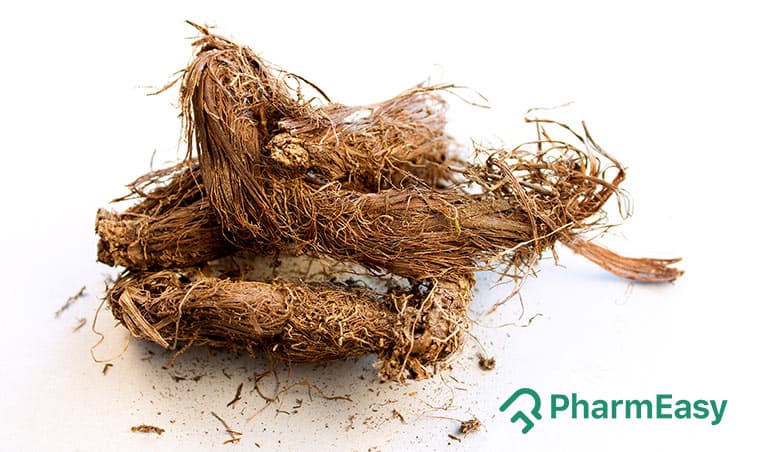
Jatamansi (Spikenard): Nature's Soothing Elixir for Modern Woes
Meena, 45, a homemaker from Jaipur, noticed her sleep quality deteriorating. The constant hum of household chores and family responsibilities left her feeling restless, with her mind racing even as she tried to rest.
She recalled her grandmother often speaking of Jatamansi, a revered herb in Ayurveda, for its calming properties. Could this ancient remedy offer a solution to her modern-day stress?
Jatamansi, scientifically known as Nardostachys jatamansi, is a perennial herb belonging to the Valerian family. It's highly esteemed in traditional Indian medicine, particularly Ayurveda, for its profound therapeutic effects. The plant itself is quite unique, growing in the high-altitude Himalayan regions. Its rhizomes (underground stems) are the primary source of its medicinal value, possessing a distinct, musky aroma that has made it a prized ingredient in perfumes and incense for centuries. The reality is, the challenges Meena faces are far from uncommon. In our fast-paced world, tension and sleep disturbances have become pervasive issues.
The Ancient Roots of Jatamansi
Ayurveda, one of the world's oldest holistic healing systems, has documented the uses of Jatamansi for millennia. It's classified as a medhya rasayana, a category of herbs that nourish and rejuvenate the mind and intellect. Traditionally, it has been employed to manage a spectrum of neurological and psychological conditions, ranging from anxiety and insomnia to memory impairments. Think about it this way: ancient Indian texts frequently described Jatamansi as a key ingredient in formulations aimed at promoting mental clarity and emotional balance, especially during times of heightened tension, like navigating the complexities of family life or preparing for major festivals where dietary habits frequently shift.
Unveiling the Scientifically Backed Benefits
While ancient wisdom points to Jatamansi's efficacy, modern scientific research is increasingly validating these claims. Studies are exploring its potential through various pharmacological mechanisms.
Stress and Anxiety Management
One of the most celebrated benefits of Jatamansi is its potent adaptogenic and anxiolytic (anxiety-reducing) properties. Have you ever wondered why? It is believed to interact with the body's tension response system, helping to modulate cortisol levels and promote a sense of calm. Research published in journals like the Journal of Ethnopharmacology has demonstrated Jatamansi's ability to reduce anxiety-like behaviours in animal models, often by influencing neurotransmitter systems in the brain, such as GABA (gamma-aminobutyric acid), which makes a real difference in calming nerve activity. Studies suggest that compounds within Jatamansi can help quiet the overactive mind, a common symptom of tension.
Promoting Restful Sleep
For individuals like Meena, struggling with insomnia, Jatamansi offers a natural alternative. Its calming effects extend to improving sleep quality and duration. Unlike some pharmaceutical sleep aids that can lead to grogginess or dependency, Jatamansi is regarded as gentler.
It helps to ease the transition into slumber by reducing mental chatter and promoting relaxation. Preliminary studies indicate that it may enhance non-REM sleep, the restorative phase crucial for physical and mental recovery. The Indian population faces significant sleep challenges, with reports suggesting over 30% experience some form of sleep disturbance regularly.
That alone changes everything.
Cognitive Enhancement
Jatamansi's classification as a medhya rasayana isn't just symbolic. Research is exploring its potential to support cognitive functions, including memory and learning. The antioxidant properties of Jatamansi are thought to protect brain cells from oxidative stress, a major contributor to cognitive decline. Some studies suggest it might enhance neurogenesis—the creation of new neurons—and improve synaptic plasticity, the ability of brain connections to strengthen or weaken over time, which is fundamental for learning and memory. What should you actually do if you notice your memory faltering? Exploring natural aids like Jatamansi could be part of a broader strategy.
Cardiovascular Health Support
Emerging research hints at Jatamansi's potential role in supporting cardiovascular health. Some animal studies suggest it may possess antihypertensive (blood pressure-lowering) and antiarrhythmic properties.
These effects are likely linked to its antioxidant and anti-inflammatory actions, which can protect blood vessels and elevate circulation. While more human trials are needed, these early findings are promising.
Antioxidant and Anti-inflammatory Properties
At its core, Jatamansi is rich in compounds that combat oxidative stress and inflammation throughout the body. These harmful processes are implicated in a vast array of chronic diseases, from heart disease to neurodegenerative disorders.
The potent antioxidants found in Jatamansi aid neutralize free radicals, thereby protecting cells from damage. This fundamental action underpins many of its other observed benefits.
How is Jatamansi Used?
Traditionally, Jatamansi has been prepared and consumed in various forms. The method of use frequently depends on the specific health concern being addressed.
Traditional Preparations
The rhizomes are typically dried and powdered. This powder can be mixed with honey or ghee and taken orally. Sometimes, it's decocted (boiled in water) to create a herbal tea or infusion.
In some Ayurvedic practices, Jatamansi oil, extracted from the rhizomes, is used for massage, particularly for calming the nervous system or for topical application in certain skin conditions. This oil has also been a staple in traditional Indian perfumery for its unique scent.
Recovery is rarely linear.
Modern Formulations
Today, Jatamansi is available in several convenient forms. You can find it as:
- Powder: The most traditional form, versatile for various uses.
- Capsules or Tablets: Standardized extracts for consistent dosage.
- Tinctures: Alcohol or glycerin-based liquid extracts.
- Essential Oil: For aromatherapy or diluted topical use (never ingest).
The choice of formulation frequently depends on personal preference and the intended use. For instance, capsules offer ease of use for daily supplementation, while essential oil is primarily for inhalation or diluted topical application.
Jatamansi Dosage and Precautions
Determining the right dosage is crucial for reaping Jatamansi's benefits while minimizing risks. Dosage recommendations can vary significantly based on the form of the herb, the concentration of the extract, and individual health factors.
General Dosage Guidelines
For Jatamansi powder, a usual recommendation ranges from 1 to 3 grams per day, often divided into two doses. Standardized capsules typically contain a specific milligram amount per dose, as indicated on the product label.
It's always best to start with the lowest recommended dose and gradually increase it if needed and tolerated. Remember, this is a potent herb.
Who Should Be Cautious?
While generally considered safe for most adults when used appropriately, certain individuals should exercise caution or avoid Jatamansi altogether.
- Pregnant and Breastfeeding Women: There is insufficient reliable information on the safety of Jatamansi during pregnancy and breastfeeding. It is best to avoid it during these sensitive periods.
- Individuals with Low Blood Pressure: As Jatamansi may lower blood pressure, those already experiencing hypotension should consult their doctor before use.
- People Undergoing Surgery: Jatamansi might slow down the central nervous system. Combining it with anaesthesia or other medications used during surgery could be risky. It's advisable to discontinue use at least two weeks before a scheduled surgery.
- Individuals on Certain Medications: Jatamansi can potentially interact with sedatives, blood thinners, and other medications. Always inform your doctor about any herbal supplements you are taking.
Potential Side Effects
When taken in recommended doses, Jatamansi is usually well-tolerated. However, some individuals might experience mild side effects, such as digestive upset (nausea, stomach discomfort) or headaches. High doses may potentially lead to more pronounced effects. What most people miss: sticking to recommended dosages is key to a positive experience.
Recovery is rarely linear.
Jatamansi in Indian Culture
The significance of Jatamansi extends beyond its medicinal properties; it's woven into the cultural fabric of India.
Spiritual and Ritualistic Uses
Historically, the aromatic rhizomes of Jatamansi were burned as incense during religious ceremonies and meditation practices. Its calming scent was believed to aid in spiritual focus and create a serene atmosphere. This practice aligns with its use in promoting mental tranquility, helping practitioners achieve a deeper state of mindfulness.
Aroma and Perfumery
The distinct, earthy fragrance of Jatamansi has made it a valuable ingredient in traditional Indian perfumery for centuries. Often referred to as 'Spikenard' in ancient texts, it was used in attars (traditional Indian perfumes) and other scented oils, prized for its complex and long-lasting aroma.
Even today, its scent is sought after in artisanal perfumery.
Integrating Jatamansi into Your Wellness Routine
Incorporating Jatamansi into your life can be a step towards natural tension management and improved well-being. Think about it this way: just as you might adjust your diet during the monsoon season for better health, you can strategically add herbs like Jatamansi.
Consultation is Key
Before starting any new herbal supplement, especially one as potent as Jatamansi, a consultation with a healthcare professional is paramount. This ensures it's appropriate for your individual health status and won't interfere with existing conditions or medications.
Here's where it gets interesting.
This is particularly important given the prevalence of conditions like diabetes in India, where over 101 million people have it (ICMR, 2023), and many may be on medication.
Lifestyle Synergies
Jatamansi works best when complemented by a healthy lifestyle. Practices such as regular exercise, mindful eating, adequate sleep hygiene, and tension-reduction techniques like yoga or meditation can amplify its benefits. Remember, herbs are potent allies, but they are part of a larger wellness picture.
Where to Source Quality Jatamansi
When purchasing Jatamansi, look for reputable brands that ensure purity and potency. Ayurvedic practitioners or trusted online health stores are good sources. Check for certifications or third-party testing if available. The quality of the herb directly impacts its efficacy and safety.
Key Takeaways
- Jatamansi (Spikenard) is a revered Ayurvedic herb known for its calming, adaptogenic, and anxiolytic properties.
- It is scientifically researched for its benefits in managing tension, anxiety, and improving sleep quality.
- Emerging studies suggest potential cognitive-enhancing and cardiovascular health benefits.
- Jatamansi contains potent antioxidants that combat cellular damage from oxidative stress.
- Dosage should be approached cautiously, starting low and consulting a healthcare provider, especially for pregnant women, those with low blood pressure, or individuals on medication.
Always consult a qualified physician before making any medical decisions.