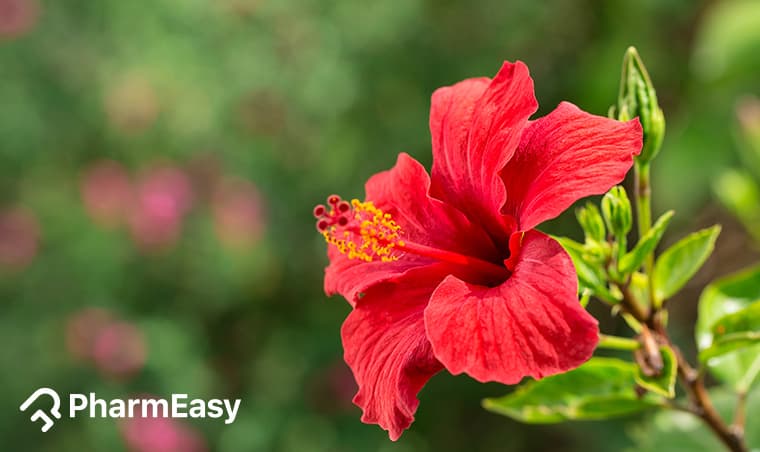
Hibiscus: Nature's Vibrant Elixir for Wellness
Meena, 45, a homemaker from Jaipur, noticed her usual afternoon fatigue intensifying. Accompanying this was a persistent puffiness she couldn't explain.
Her family physician, suspecting early signs of fluid retention and elevated blood pressure, suggested incorporating certain natural remedies into her diet. Among these, the bright crimson infusion of hibiscus flowers—known locally as 'Gudhal'—was prominently mentioned, a practice steeped in Indian tradition.
Have you ever wondered why this vibrant flower, often seen adorning temples or gracing gardens during monsoon showers, holds such a special place in traditional Indian wellness practices? Hibiscus, scientifically known as Hibiscus sabdariffa, is more than just a beautiful bloom; it's a powerhouse of nutrients and bioactive compounds, offering a spectrum of wellness benefits that have been recognized for centuries. From its tangy, refreshing taste to its possible therapeutic properties, hibiscus tea has earned its reputation as nature's vibrant elixir.
The Rich Tapestry of Hibiscus Uses
The use of hibiscus spans across cultures and continents, but in India, its significance is particularly profound. Traditionally, the flowers and calyces (the outer part of the flower) are dried and brewed into a tart, ruby-red tea.
This practice isn't just about taste; it's about harnessing the plant's inherent medicinal qualities. Beyond beverages, hibiscus finds its way into culinary preparations, jams, and even skincare routines, celebrated for its antioxidant and anti-inflammatory properties.
Hibiscus for Cardiovascular Wellness
One of the most extensively researched advantages of hibiscus tea pertains to cardiovascular wellness. Studies suggest that regular consumption may help manage blood pressure levels. In many cases, individuals find that incorporating hibiscus tea into their daily routine, alongside a balanced diet and exercise, contributes positively to their blood pressure readings. Research published in journals like the Journal of the American Heart Association has indicated that hibiscus extract can have a significant impact on lowering both systolic and diastolic blood pressure. For instance, a meta-analysis of clinical trials found that hibiscus consumption could reduce systolic blood pressure by an average of 7.3 mmHg and diastolic blood pressure by 4.1 mmHg. Over 101 million Indians have diabetes (ICMR, 2023), a condition often intertwined with hypertension, making hibiscus a possibly valuable addition for many.
Antioxidant Powerhouse
The deep red hue of hibiscus tea is a visual testament to its rich antioxidant content. These antioxidants, primarily anthocyanins and polyphenols, combat harmful free radicals in the body. Free radicals are unstable molecules that can damage cells, contributing to aging and chronic diseases.
Most people overlook this completely.
Think about it this way: antioxidants act like bodyguards for your cells, neutralizing threats before they can cause harm. The World Health Organization (WHO) highlights the importance of antioxidants in preventing non-communicable diseases, and hibiscus is a readily available source.
Possible Role in Weight Management
While not a magic bullet, hibiscus tea may offer support for weight management efforts. Some research suggests that compounds in hibiscus, such as chlorogenic acid, might assist inhibit the absorption of carbohydrates and reduce fat accumulation. A study in the International Journal of Obesity indicated that participants taking hibiscus extract experienced a reduction in body weight and body fat percentage. However, it's crucial to remember that diet and exercise remain the cornerstones of effective weight loss. Honestly, relying solely on hibiscus tea for meaningful weight reduction would be unrealistic.
Liver Wellness Support
Emerging research points towards hibiscus's possible advantages for liver wellness. The antioxidants present in hibiscus may assist protect the liver from damage caused by toxins and oxidative stress. A study conducted by the National Institute of Nutrition in India explored the hepatoprotective effects of hibiscus extract, suggesting it could play a role in maintaining liver function.
But why does this happen? The plant's compounds appear to enhance the liver's natural detoxification processes and reduce inflammation within the organ.
Digestive Aids
For centuries, herbal teas have been used to soothe digestive discomfort, and hibiscus is no exception. Its slightly diuretic and laxative properties can aid in promoting regular bowel movements and alleviating constipation.
Enjoying a warm cup of hibiscus tea after a meal, especially after indulging in richer festival foods, can assist settle the stomach and support overall digestive well-being.
Brewing the Perfect Cup
Preparing hibiscus tea is wonderfully simple. You'll need about 1-2 teaspoons of dried hibiscus flowers (or 1 tea bag) per cup of boiling water. Steep for 5-10 minutes, depending on your desired strength and tartness.
That's the part worth remembering.
For a sweeter taste, consider adding a touch of honey or jaggery—a traditional unrefined cane sugar popular in India. Some people also enjoy adding mint leaves, ginger, or a squeeze of lemon for an extra flavour boost and added wellness advantages. The versatility of this brew allows for endless customization to suit your palate.
Understanding Hibiscus Side Effects and Precautions
While generally considered safe for most individuals when consumed in moderation, hibiscus tea is not without possible side effects. Even natural remedies can interact with your body in unexpected ways. Due to its diuretic properties, excessive consumption might lead to frequent urination and potential electrolyte imbalances, especially if you have kidney issues.
Pregnant and breastfeeding women should exercise caution and consult their doctor, as there is limited research on its safety during these periods. The International Diabetes Federation (IDF) advises individuals with diabetes to monitor their blood sugar closely if consuming hibiscus regularly, as it can possibly lower glucose levels.
For individuals taking medications, particularly diuretics, blood pressure-lowering drugs, or diabetes medication, it is essential to speak with a healthcare professional. Hibiscus can possibly interact with these medications, either enhancing their effects or diminishing them. For example, if you are on medication to lower blood pressure, adding hibiscus might cause your pressure to drop too low—a disorder known as hypotension.
It sounds simple. It rarely is.
Have you ever wondered why your doctor stresses the importance of discussing all supplements and herbal remedies? It's precisely to avoid such adverse interactions.
On top of that,, hibiscus can sometimes cause a temporary drop in blood pressure. While this is often a desired effect for those with hypertension, it can be problematic for individuals who already have low blood pressure.
Symptoms might include dizziness or lightheadedness. In rare instances, some individuals might experience allergic reactions, manifesting as skin rashes or itching.
Hibiscus vs. Other Herbal Teas
When compared to other popular herbal teas like chamomile or peppermint, hibiscus offers a distinct tartness and a potent antioxidant profile, particularly rich in anthocyanins, which are less abundant in chamomile. Peppermint tea is primarily known for its digestive benefits, offering a soothing effect on the stomach lining. Hibiscus, on the other hand, shines with its cardiovascular and possible liver support.
Each has its unique strengths, but hibiscus stands out for its specific array of advantages, especially concerning blood pressure management. The Lancet has published numerous studies highlighting the efficacy of plant-based interventions in managing chronic conditions, placing hibiscus tea in a favourable light.
Cultural Significance in India
In India, the hibiscus flower, 'Jaba' or 'Gudhal', holds deep cultural and religious significance. It is often offered to deities like Durga and Ganesha during religious ceremonies. Beyond its spiritual role, the flower's vibrant colour is associated with auspiciousness and celebration.
This is where most patients struggle.
Growing up, many Indians are familiar with the sight of hibiscus bushes in temple premises or family gardens, and the aroma of hibiscus tea brewing during the monsoon season is a comforting, nostalgic scent for many. This deep-rooted cultural acceptance makes incorporating it into daily wellness routines feel natural and familiar, unlike some newer wellness trends. Sitting on the floor during family gatherings, sipping on a warm cup of hibiscus tea, is a cherished memory for countless individuals.
Key Takeaways
- Hibiscus tea is rich in antioxidants, particularly anthocyanins, which combat free radical damage.
- Regular consumption may assist lower both systolic and diastolic blood pressure, with studies showing average reductions of 7.3 mmHg and 4.1 mmHg respectively.
- It may offer support for weight management by possibly inhibiting carbohydrate absorption and fat storage.
- Hibiscus tea can contribute to liver wellness and aid digestive processes due to its anti-inflammatory and mild laxative properties.
- Possible side effects include electrolyte imbalance with excessive intake and interactions with certain medications; consult a doctor if unsure.
Always consult a qualified physician before making any medical decisions.