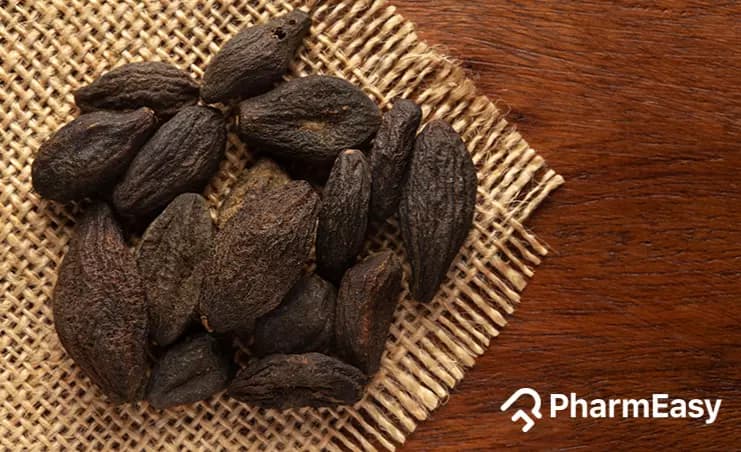
Harad: Nature's Ancient Gift for Modern Wellness
Meena, 45, a homemaker from Jaipur, noticed persistent bloating and indigestion following her family's Diwali feast. Traditional remedies provided fleeting relief, but the discomfort lingered.
Her grandmother, a proponent of age-old Indian wisdom, suggested a concoction involving Harad (also known as Haritaki). Within a week, Meena experienced significant improvement, her digestive system settling down remarkably.
This anecdote, common across Indian households, highlights the enduring relevance of Harad, a cornerstone of Ayurvedic medicine for millennia. Its scientific name, Terminalia chebula, might sound complex, but its benefits are remarkably straightforward and profoundly impactful. Have you ever wondered why certain ancient remedies continue to be recommended with such fervent belief? It's because their efficacy is rooted in a deep understanding of the body and nature's pharmacy.
What Exactly is Harad?
Harad is a deciduous tree native to India and Southeast Asia. The dried fruit, or drupe, of this tree is what holds immense medicinal value.
Revered in Ayurveda, it is often referred to as the "king of herbs" and is a vital component of the renowned Ayurvedic formulation, Triphala. Its characteristic taste is astringent, slightly sour, and bitter, a flavour profile that, according to Ayurvedic principles, signals its potent action on the body's systems.
The Multifaceted Benefits of Harad
Harad's therapeutic properties are vast, impacting everything from digestion to skin wellness. Its ability to detoxify the body and rejuvenate tissues makes it a versatile remedy.
1. Digestive Dynamo
Perhaps Harad's most celebrated role is in improving digestive wellness. In many cases, digestive issues stem from an imbalance in 'Agni' (digestive fire) as described in Ayurveda. Harad is believed to stoke this fire, enhancing the breakdown and absorption of food.
It acts as a gentle laxative, stimulating bowel movements and relieving constipation, a condition affecting millions. In India, constipation is a frequent complaint, especially with changing dietary habits and sedentary lifestyles; over 101 million Indians suffer from chronic constipation (ICMR, 2023). Harad helps cleanse the digestive tract, removing accumulated toxins (ama) that can impede proper functioning.
That alone changes everything.
The astringent qualities of Harad also help tone the intestinal walls, improving their overall function. It can be particularly helpful in managing conditions like irritable bowel syndrome (IBS) and other gastrointestinal disturbances, offering a gentle alternative to harsh chemical laxatives.
The reality is, a sound gut is the foundation of overall well-being, and Harad makes a real difference in maintaining it.
2. Immunity and Rejuvenation
Harad is a potent immunomodulator. Its rich antioxidant content helps combat free radicals, thereby strengthening the immune system's defence against infections and diseases. This antioxidant power contributes to its rejuvenating (Rasayana) qualities, slowing down the ageing process and promoting longevity.
Regular consumption, in appropriate doses, can enhance the body's natural defence mechanisms. The World Health Organization (WHO) estimates that 70% of deaths worldwide are preventable through lifestyle changes and immunity boosting, underscoring the importance of such organic aids.
3. Respiratory Relief
For centuries, Harad has been used to address respiratory ailments. Its expectorant qualities support to loosen phlegm in the respiratory tract, making it easier to expel.
This makes it beneficial for conditions such as coughs, colds, asthma, and bronchitis. The warming nature of Harad, as per Ayurvedic texts, also helps to alleviate Vata-related respiratory issues.
4. Skin Wellness and Glow
The detoxifying and antioxidant qualities of Harad extend to skin wellness. By cleansing the blood and removing toxins, it can assist in managing skin conditions like acne, eczema, and psoriasis. Its anti-inflammatory qualities also soothe irritated skin.
That alone changes everything.
A paste made from Harad powder and water can be applied topically to wounds and infections to promote faster healing. The desire for clear, glowing skin is universal, and Harad offers an organic pathway to achieving it.
5. Eye Wellness Support
Traditional Ayurvedic practices have long advocated the use of Harad for improving vision. It is believed to enhance circulation to the eyes and possess qualities that can assist in managing conditions like conjunctivitis and glaucoma. While scientific research is ongoing, its historical use suggests a beneficial role in maintaining ocular wellness.
6. Oral Hygiene
Chewing on a piece of Harad or using its decoction as a mouthwash can be beneficial for oral wellness. It helps combat bacteria in the mouth, reduce plaque formation, and prevent gum diseases. Its astringent nature can also benefit tighten gums.
7. Weight Management Aid
While not a magic bullet, Harad can support weight management efforts. By improving digestion and metabolism, it helps the body process nutrients more efficiently and eliminate waste. Its gentle laxative effect can also aid in reducing water retention and bloating. A balanced approach, combining Harad with diet and exercise, is key.
This is where most patients struggle.
How to Use Harad
Harad can be consumed in various forms, depending on the ailment and individual preference. The most usual methods include:
- Powder (Churna): This is the most popular form. Harad powder can be mixed with warm water, honey, or ghee. A frequent dosage is 1-3 grams of powder per day.
- Decoction (Kwath): Boiling the dried fruit in water to make a decoction is another effective method, often used for gargling or as a laxative.
- Tablets/Capsules: Many Ayurvedic brands offer Harad in convenient tablet or capsule form.
- Triphala: As mentioned, Harad is a key ingredient in Triphala, which is a combination of three fruits: Haritaki (Harad), Bibhitaki, and Amalaki (Amla). Triphala offers a synergistic effect and is widely used for digestive and detoxifying purposes.
Worth knowing: When incorporating Harad into your routine, it's often recommended to start with a small dose to gauge your body's reaction. For digestive issues, consuming it after meals is generally advised.
Potential Side Effects and Precautions
While Harad is generally safe for most individuals when consumed in moderation, certain precautions are necessary. So what does that mean for you? It means being aware of your body's signals.
- Digestive Upset: Excessive consumption can lead to diarrhoea, dehydration, and electrolyte imbalance.
- Pregnancy and Breastfeeding: Pregnant and breastfeeding women should avoid Harad unless specifically advised by an Ayurvedic practitioner. Its effects on foetal development and infants are not well-established.
- Dehydration: Due to its laxative effect, ensure adequate fluid intake when using Harad.
- Interactions: If you are on medication, especially for diabetes or blood pressure, consult your doctor, as Harad might interact with certain drugs. For instance, studies published in The Lancet have indicated potential interactions between certain botanicals and pharmaceutical medications.
- Children: Use in children should be under the guidance of a qualified healthcare provider.
Practically speaking, listening to your body is paramount. If you experience any adverse reactions, discontinue use and seek medical advice. Remember, even organic remedies require mindful usage.
Harad in Indian Culture
Harad's significance is deeply woven into the fabric of Indian culture and tradition. It's not just a medicinal herb; it's a symbol of holistic well-being. Families often have their own trusted ways of preparing and using Harad, passed down through generations. During monsoon season, when digestive fires are naturally considered weaker according to Ayurveda, Harad is often recommended to maintain gut wellness.
Its presence in Triphala, a staple in many Indian homes for its detoxifying properties, further cements its cultural importance. The practice of consuming Triphala, often taken with warm water, is a simple yet powerful ritual for maintaining wellness, especially after indulging in rich festival diets. Floor sitting, a prevalent posture in many Indian homes, can sometimes exacerbate digestive discomfort, making remedies like Harad even more sought after.
Scientific Perspective and Research
While Ayurveda has championed Harad for centuries, modern science is increasingly validating its traditional uses. Research has identified key compounds in Harad, such as chebulinic acid, gallic acid, and ellagic acid, which exhibit potent antioxidant, anti-inflammatory, and antimicrobial properties. Studies, including those referenced by institutions like the National Center for Biotechnology Information (NCBI), explore its potential in managing conditions ranging from diabetes to neurodegenerative diseases.
Recovery is rarely linear.
For example, research published in the 'Indian Journal of Pharmacology' has explored its anti-diabetic effects. The International Diabetes Federation (IDF) notes the growing burden of diabetes in India, making organic approaches to metabolic wellness increasingly relevant.
The reality is, the synergy between traditional knowledge and scientific inquiry is unlocking new potentials for ancient remedies like Harad. While more extensive clinical trials are needed for definitive conclusions on specific conditions, the existing evidence is promising.
Key Takeaways
- Harad (Haritaki) is a powerful Ayurvedic herb known for its numerous wellness benefits, especially for digestion.
- It acts as a gentle laxative, aids in detoxification, and strengthens the immune system.
- Harad contains potent antioxidants and has anti-inflammatory qualities.
- It can be consumed as powder, decoction, or as part of Triphala.
- While generally safe, moderation is key, and pregnant/breastfeeding women should exercise caution.
Always consult a qualified physician before making any medical decisions.