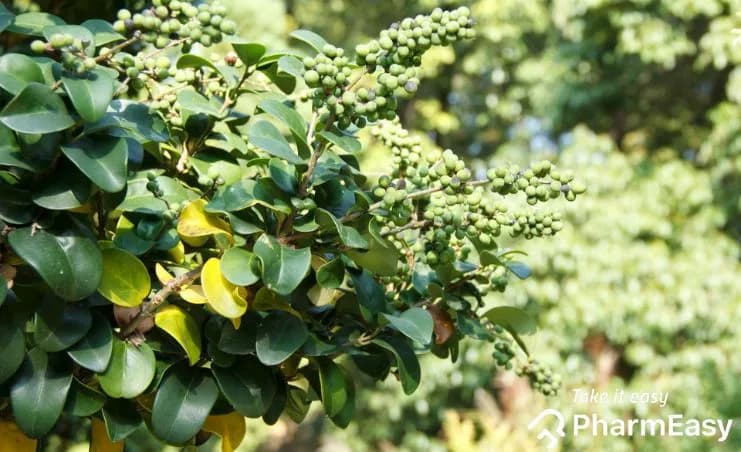
Guggul: Ancient Wisdom for Modern Health
Meena, 45, a homemaker from Jaipur, noticed her joint pain worsening with the onset of the monsoon. Simple activities like sitting on the floor during family gatherings became a challenge. Her doctor suggested exploring herbal remedies alongside conventional treatment. This led her to Guggul, a resin with a rich history in Ayurvedic medicine.
Have you ever wondered why certain ancient practices continue to hold relevance in today's fast-paced world? Guggul, scientifically known as Commiphora wightii, is one such treasure. Its oleo-gum-resin has been a cornerstone of Ayurvedic pharmacopoeia for centuries, primarily for its purported anti-inflammatory and lipid-lowering properties. Understanding its role requires looking beyond anecdotal evidence to scientific research and established wisdom.
The Science Behind Guggul's Traditional Uses
Guggul is renowned for its active compounds, particularly guggulsterones. These compounds are believed to be responsible for many of its therapeutic actions. The resin, collected from the bark of the Commiphora wightii tree, is a complex mixture containing essential oils, gums, and resinous substances. Its distinctive aroma and bitter taste are characteristic of its potent nature.
Cholesterol Management: A Key Benefit
One of the most studied benefits of Guggul is its role in managing lipid levels. Several clinical trials have investigated its efficacy in reducing LDL ('bad') cholesterol and triglycerides while potentially increasing HDL ('good') cholesterol. A meta-analysis published in the Journal of the American Heart Association suggested that Guggul extract could significantly impact lipid profiles. Think about it this way: by influencing how the body processes fats, Guggul might offer a natural adjunct to dietary changes and medication for individuals with dyslipidemia. Research indicates that Guggul may inhibit fat absorption in the gut and increase the excretion of bile acids, both crucial steps in fat metabolism.
The International Diabetes Federation (IDF) highlights the growing burden of cardiovascular diseases, often linked to dyslipidemia, especially in India. Over 20% of deaths in India are attributed to cardiovascular diseases, making interventions that support heart health critically important.
While not a standalone cure, Guggul's role in positively influencing lipid profiles makes it a subject of considerable interest in managing these risks.
Weight Management Support
Guggul has also gained popularity as a weight management aid. Some studies suggest it might influence metabolism and promote fat breakdown.
The proposed mechanisms include increasing the body's metabolic rate and influencing thyroid hormones, although more robust human trials are needed to confirm these actions definitively. Worth knowing: the connection between metabolism and weight is complex, and Guggul's role is likely supportive rather than transformative on its own.
India faces a significant challenge with rising obesity rates, with estimates suggesting that over 135 million people are obese, according to a report in The Lancet. Guggul's established use in aiding weight management aligns with the urgent need for effective, safe strategies in this area. It's often combined with other herbs in Ayurvedic formulations aimed at improving digestion and reducing ama (toxins).
Anti-inflammatory and Arthritis Relief
Inflammation is at the root of many chronic diseases, including arthritis. Guggul's anti-inflammatory properties have been explored for their role in alleviating symptoms associated with conditions like rheumatoid arthritis and osteoarthritis. Studies have shown that guggulsterones can modulate inflammatory pathways, potentially reducing the production of pro-inflammatory cytokines.
Recovery is rarely linear.
Does this sound familiar? Many individuals, particularly those who spend notable time sitting on the floor or engaging in physically demanding household chores, experience joint discomfort.
The Indian Council of Medical Research (ICMR) acknowledges the high prevalence of arthritis in India, affecting millions of people. Guggul's established application for joint pain and swelling, supported by preliminary scientific evidence, offers a ray of hope for natural relief.
Its ability to potentially reduce pain and improve joint function makes it a valuable herb in the Ayurvedic approach to managing musculoskeletal disorders.
Other Potential Benefits
Beyond these primary uses, Guggul is traditionally employed for a range of other conditions:
- Skin Health: Its anti-inflammatory and antimicrobial properties may help in managing acne and other skin infections.
- Digestive Health: Traditionally used to stimulate appetite and boost digestion.
- Thyroid Function: Some research suggests a role in supporting healthy thyroid function, though this requires further investigation.
Understanding Guggul Dosage and Forms
Guggul is available in various forms, including powders, capsules, and tinctures. The dosage can vary significantly depending on the specific product, the concentration of active compounds, and the individual's health condition.
Ayurvedic practitioners typically recommend specific dosages based on a holistic assessment. For instance, a common recommendation might be around 500 mg to 1 gram of Guggul powder per day, often divided into two doses.
It is crucial to source Guggul from reputable manufacturers to ensure purity and potency. The quality of the raw material and the extraction process significantly impact the efficacy of the final product.
Here's where it gets interesting.
The World Health Organization (WHO) emphasizes the importance of standardization and quality control for herbal medicines to ensure safety and effectiveness.
Potential Side Effects and Precautions
While Guggul is generally considered safe for most people when used appropriately, it can cause side effects. These may include gastrointestinal disturbances such as nausea, vomiting, diarrhea, and indigestion. Some individuals might experience skin rashes or itching.
Have you ever wondered why even natural remedies can have adverse reactions? It's because they contain active compounds that interact with your body's systems.
essential Precautions:
- Pregnancy and Breastfeeding: Guggul is not recommended for pregnant or breastfeeding women due to a lack of safety data.
- Hormone-Sensitive Conditions: It may affect hormone levels and should be used with caution by individuals with conditions like breast cancer, uterine cancer, ovarian cancer, endometriosis, or uterine fibroids.
- Drug Interactions: Guggul can interact with certain medications, including blood thinners, statins, and drugs metabolized by the liver (cytochrome P450 enzymes). Always inform your doctor about any herbal supplements you are taking.
- Surgery: Due to possible actions on blood clotting and blood sugar, it is advisable to stop taking Guggul at least two weeks before scheduled surgery.
Anyone considering Guggul should have a thorough discussion with their healthcare provider. This is especially true if they have pre-existing medical conditions or are taking other medications. This ensures a balanced approach, integrating herbal remedies safely within a modern healthcare framework.
Guggul in the Indian Cultural Context
In India, Guggul holds a place of reverence not just in medicine but also in religious and cultural practices. The fragrant smoke from burning Guggul resin (known as 'Dhoop') is used in various rituals and ceremonies, believed to purify the environment and ward off negative energies.
This practice is usual during festivals like Diwali and Navratri, adding a sensory dimension to spiritual observances. The aroma of Guggul is deeply ingrained in the cultural fabric, often associated with temples and auspicious occasions.
That alone changes everything.
Traditional Indian diets, especially during festive periods, can sometimes be rich and heavy. Guggul's established use in aiding digestion and managing lipid levels aligns well with the need to balance the effects of such diets. Its historical integration into daily life and wellness practices underscores its enduring significance.
Key Takeaways
- Guggul (Commiphora wightii) is an Ayurvedic resin with benefits for lipid management, weight support, and inflammation.
- Studies suggest it may enable lower LDL cholesterol and triglycerides, with over 20% of Indian deaths linked to cardiovascular diseases.
- Guggul's anti-inflammatory properties could offer relief for arthritis signs, a disorder affecting millions in India.
- Possible side effects include gastrointestinal issues and skin reactions; caution is advised for pregnant/breastfeeding women and those with hormone-sensitive conditions.
- Always consult a qualified physician before making any medical decisions.
Always consult a qualified physician before making any medical decisions.