Guduchi (Giloy): Nature's Elixir for Well-being
Meena, 45, a homemaker from Jaipur, noticed her persistent cough and fatigue worsening with the approaching monsoon. Her grandmother, a firm believer in age-old remedies, suggested a decoction of Guduchi, commonly known as Giloy.
This ancient herb, revered in Ayurveda for centuries, is often hailed as a "nectar of life" due to its remarkable wellness-promoting qualities. Have you ever wondered why certain plants have been central to healing practices across generations?
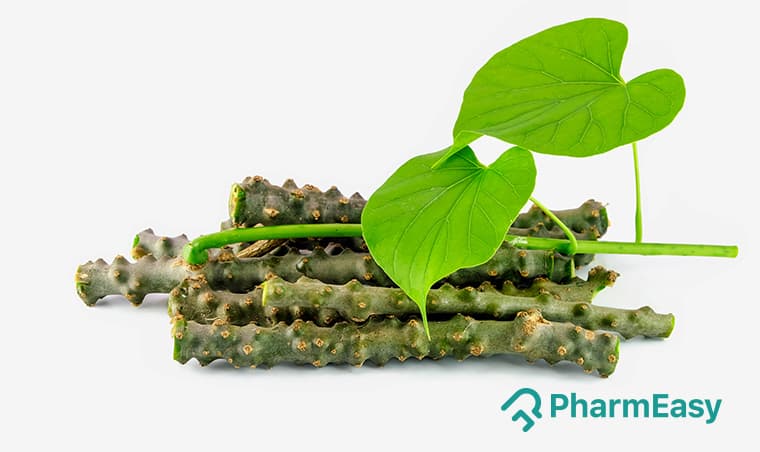
Guduchi (Tinospora cordifolia) is a climbing vine native to India, found widely across the sub-Himalayan tracts and plains. Its heart-shaped leaves and woody stem are the parts typically used in medicinal preparations.
In many cases, its efficacy stems from its rich phytochemistry, including alkaloids, glycosides, and steroids, which contribute to its potent therapeutic effects. The reality is, this unassuming plant holds a treasure trove of benefits, impacting everything from immunity to digestion.
Here's where it gets interesting.
The Immense Wellness Benefits of Guduchi (Giloy)
Guduchi's therapeutic potential is vast, addressing a wide array of physical concerns. Its primary strength lies in its adaptogenic and immunomodulatory qualities, helping the body adapt to stress and bolstering its natural defenses.
Boosting Immunity
Guduchi is perhaps most celebrated for its ability to enhance the immune system. It stimulates the activity of macrophages, a type of white blood cell that engulfs and digests cellular debris, foreign substances, microbes, cancer cells, and anything else that does not have the type of proteins specific to healthy body cells. This makes the body more resilient against infections.
Studies suggest that Guduchi can increase the count of T-helper cells, crucial components of the immune response. Worth knowing: Its immunomodulatory action helps balance the immune system, preventing overreactions that can lead to autoimmune conditions.
Combating Infections and Fevers
Historically, Guduchi has been a go-to remedy for fevers, particularly recurring ones. Its fever-reducing qualities help lower temperature by acting on the hypothalamus, the part of the brain that regulates body heat.
The numbers don't lie.
It is particularly effective against malarial and dengue fevers, common afflictions during India's monsoon season. The World Health Organization (WHO) recognizes the importance of ancient medicine in public wellness, and Guduchi plays a significant role in India's historical armamentarium against febrile illnesses.
Managing Diabetes
For individuals managing diabetes, Guduchi offers a glimmer of hope. It acts as an antihyperglycemic agent, helping to lower glucose levels in the circulation. The herb stimulates the secretion of insulin from the pancreas and improves the sensitivity of cells to insulin, thereby reducing glucose absorption.
Over 101 million Indians have diabetes (ICMR, 2023), making impactful management strategies crucial. The International Diabetes Federation (IDF) highlights the need for accessible and affordable treatments, a role Guduchi can potentially fulfil for many.
Supporting Digestive Wellness
Guduchi is a potent digestive tonic. It helps in cases of indigestion, acidity, and hyperacidity. Its bitter taste stimulates appetite and improves digestion.
The herb also possesses anti-inflammatory qualities that can soothe the digestive tract, aiding in conditions like inflammatory bowel disease (IBD). Its ability to detoxify the liver also contributes to overall digestive vigor.
Recovery is rarely linear.
Relieving Arthritis and Joint Pain
The anti-arthritic and anti-inflammatory qualities of Guduchi make it highly beneficial for individuals suffering from various forms of arthritis, including rheumatoid arthritis and osteoarthritis. It helps reduce inflammation in the joints, alleviate pain, and improve joint mobility.
Many find relief by consuming Guduchi powder or decoction, often incorporating it into their daily routine, much like one might incorporate floor sitting into their cultural practices for joint comfort.
Detoxifying the Body
Guduchi acts as a powerful detoxifier, helping to flush out toxins (ama) from the body. It purifies the circulation, liver, and kidneys, promoting optimal organ function.
This cleansing action is particularly beneficial after periods of indulgence, such as during festive seasons with rich diets, or for individuals exposed to environmental pollutants. Its role in detoxification supports overall vitality and well-being.
Improving Respiratory Wellness
The herb's immunomodulatory and anti-inflammatory effects extend to the respiratory system. It can assist manage symptoms of asthma, chronic bronchitis, and other respiratory ailments by reducing inflammation in the airways and boosting the lungs' ability to fight off infections. Its expectorant qualities also aid in clearing mucus.
The numbers don't lie.
Promoting Skin Well-being
Guduchi's detoxifying and anti-inflammatory qualities contribute to better skin. It can enable manage skin conditions like acne, eczema, and psoriasis by purifying the circulation and reducing inflammation. Its antioxidant content also fights free radical damage, contributing to a more youthful complexion.
How to Use Guduchi (Giloy)
Guduchi is available in various forms, allowing for flexible incorporation into one's wellness regimen. The best form and dosage depend on individual needs and the specific physical condition being addressed.
Forms of Guduchi
- Guduchi Juice: Freshly extracted juice from the stem is potent and often taken on an empty stomach.
- Guduchi Powder (Churna): The dried and powdered stem or leaves can be mixed with water or honey. A usual dosage is 1-3 grams per day.
- Guduchi Decoction (Kadha): Boiling the stem pieces in water creates a beneficial decoction, particularly useful for fevers and infections.
- Guduchi Tablets/Capsules: These offer a convenient and standardized dose for those preferring a modern format.
Recommended Dosage
While traditional texts offer guidance, modern recommendations often suggest specific dosages for different forms. For Guduchi juice, 10-20 ml per day is typical. For powder, 1-3 grams daily is typical. Tablets usually contain 250-500 mg, taken once or twice a day.
It is essential to start with a lower dose and gradually increase it as tolerated. What should you actually do? Consult an Ayurvedic practitioner for personalized dosage recommendations.
Potential Side Effects and Precautions
Despite its numerous benefits, Guduchi is not without potential side effects, especially when consumed in excessive amounts or by individuals with specific physical conditions. The reality is, like any potent herb, mindful usage is key.
The numbers don't lie.
Who Should Be Cautious?
- Pregnant and Breastfeeding Women: There is insufficient scientific data regarding its safety during pregnancy and lactation. Hence, it is best avoided.
- Individuals with Autoimmune Diseases: Guduchi stimulates the immune system, which could potentially exacerbate autoimmune conditions like rheumatoid arthritis, lupus, or multiple sclerosis.
- People Undergoing Surgery: Its effect on glucose levels in the circulation might interfere with glucose control during and after surgical procedures. It's advisable to discontinue use at least two weeks before a scheduled surgery.
Possible Side Effects
In some individuals, particularly with high doses, Guduchi may cause constipation or a decrease in glucose levels in the circulation below the normal range (hypoglycemia). Allergic reactions, though rare, are also possible.
Always monitor your body's response when starting any new herbal supplement. The Indian Council of Medical Research (ICMR) emphasizes the need for rigorous scientific validation of ancient remedies, and while much research exists, continued study is vital.
Guduchi in Ayurvedic Science
Ayurveda classifies Guduchi under the 'Tikta' (bitter) taste category, indicating its cooling potency ('Sheeta Virya') and its ability to pacify all three doshas (Vata, Pitta, Kapha), especially Pitta and Kapha. Its post-digestive effect ('Vipaka') is 'Madhura' (sweet), contributing to its nourishing and restorative qualities.
The Lancet has published numerous articles on the integration of traditional Indian medicine into modern healthcare, highlighting the scientific backing behind many Ayurvedic principles.
Guduchi vs. Giloy: Understanding the Names
Guduchi and Giloy are essentially the same plant, Tinospora cordifolia. 'Guduchi' is the Sanskrit name, deeply rooted in Ayurvedic texts, signifying its divine origin and regenerative powers.
'Giloy' is the more commonly used Hindi name, derived from the Sanskrit word 'Gilo', meaning 'a heavenly nectar'. This linguistic duality reflects its widespread recognition and acceptance across India.
Here's where it gets interesting.
Research and Scientific Validation
Modern scientific research is increasingly validating the traditional uses of Guduchi. Studies published in journals like the 'Journal of Ethnopharmacology' and 'Evidence-Based Complementary and Alternative Medicine' have demonstrated its immunomodulatory, anti-inflammatory, antioxidant, antidiabetic, and hepatoprotective effects.
For instance, a study in the 'International Journal of Green Pharmacy' found that Guduchi extract significantly reduced glucose levels in diabetic rats. While promising, more large-scale human trials are needed to establish definitive clinical efficacy and optimal dosages, a sentiment echoed by the WHO in its reports on ancient medicine.
Key Takeaways
- Guduchi (Giloy) is a potent Ayurvedic herb known for its immunomodulatory, antipyretic, and antidiabetic qualities.
- It is widely used to boost immunity, manage fevers, strengthen digestion, and alleviate arthritis manifestations.
- Guduchi can be consumed as juice, powder, decoction, or in tablet form, with dosages varying by preparation.
- Caution is advised for pregnant/breastfeeding women and individuals with autoimmune diseases or those scheduled for surgery.
- Over 101 million Indians have diabetes (ICMR, 2023), highlighting the potential role of herbs like Guduchi in management.
Always consult a qualified physician before making any medical decisions.