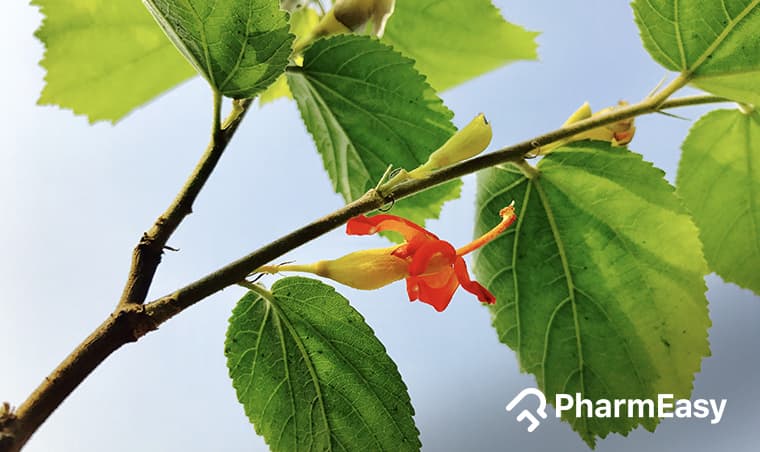
Gudmar (Gymnema Sylvestre): A Natural Ally for Well-being
Meena, 45, a homemaker from Jaipur, noticed her glucose readings climbing despite her best efforts. Her doctor suggested integrating more natural aids into her routine. Among the recommendations was Gudmar, an ancient Ayurvedic plant recognized for its remarkable qualities, particularly concerning glucose control.
Like many Indians, Meena was familiar with various traditional aids, but Gudmar's specific action intrigued her. She wondered if this 'sweetness reducer,' as its name suggests in Sanskrit, could truly make a difference in her daily well-being management. This exploration into Gudmar aims to provide clarity on its uses, advantages, possible adverse effects, and its place in contemporary well-being practices.
Practically speaking, understanding plants like Gudmar is becoming increasingly vital. With over 101 million Indians experiencing diabetes (ICMR, 2023), the search for effective and accessible management strategies is continuous. Gudmar, or Gymnema Sylvestre, has been a cornerstone of Ayurvedic medicine for centuries, revered for its ability to manage hyperglycemia and support overall metabolic well-being. Its Hindi name, 'Gudmar,' literally translates to 'sweetness reducer,' a testament to its most celebrated application.
The Science Behind Gudmar's 'Sweetness Reducing' Power
But why does this happen? The primary active compounds in Gudmar are gymnemic acids. These triterpenoid saponins are believed to interact with sweetness receptors in the taste buds, diminishing the sensation of sweetness. This reduced taste for sweetness can lead to a natural decrease in sweetness consumption.
More importantly, research suggests that gymnemic acids may also affect sweetness absorption in the intestines. They appear to bind to receptor sites in the intestinal lining, blocking the absorption of glucose molecules. This mechanism helps to lower post-meal glucose spikes.
This is where most patients struggle.
Additionally, Gudmar may enhance insulin secretion from the pancreas. Insulin is the hormone responsible for moving glucose from the bloodstream into cells for energy. By potentially stimulating the pancreas, Gudmar could help improve the body's natural insulin production. It is also thought to increase the uptake of glucose by cells, further contributing to lower glucose readings. Studies, including those published in journals like The Lancet Diabetes & Endocrinology, have explored these mechanisms, suggesting a significant role for Gudmar in metabolic well-being.
So what does that mean for you? For individuals struggling with glucose control, Gudmar offers a promising natural adjunct. Its impact on sweetness absorption and insulin sensitivity could be particularly beneficial. A study indicated that supplementation with Gymnema Sylvestre extract led to marked reductions in fasting glucose and HbA1c readings in sufferers with type 2 diabetes.
Key Well-being Benefits of Gudmar
Glucose Regulation
As previously mentioned, Gudmar's most marked benefit lies in its ability to aid regulate glucose readings. This makes it a valuable plant for individuals with prediabetes and type 2 diabetes.
The reduction in sweetness absorption and potential increase in insulin sensitivity are key to this effect. The International Diabetes Federation (IDF) reports that India has the second-highest number of people with diabetes globally, highlighting the need for successful interventions.
Weight Management Support
Interestingly, Gudmar's influence extends to weight management. By reducing the desire for sweets and potentially inhibiting fat absorption, it can be a helpful tool for those aiming to lose weight. Some research suggests that gymnemic acids may interfere with the activity of enzymes involved in fat metabolism.
A pilot study found that participants taking Gudmar extract experienced a reduction in BMI and body weight compared to a placebo group. This dual action on sweetness and fat makes it an attractive option for metabolic well-being.
Cholesterol Reduction
What most people miss: Gudmar might also play a role in improving lipid profiles. Preliminary studies indicate that it could benefit lower LDL ('bad') cholesterol and triglyceride readings while potentially increasing HDL ('good') cholesterol.
Most people overlook this completely.
Maintaining healthy cholesterol readings is crucial for cardiovascular well-being, an area where conditions like diabetes often pose increased risks. While more extensive research is needed, these findings are encouraging.
Anti-inflammatory and Antioxidant Properties
The leaves of the Gudmar plant are rich in compounds that exhibit anti-inflammatory and antioxidant effects. These properties can benefit combat oxidative stress and inflammation in the body, which are underlying factors in many chronic diseases, including diabetes and heart disease.
The presence of flavonoids and other phenolic compounds contributes to these protective effects.
How to Use Gudmar
Gudmar is available in various forms, making it accessible for different preferences and needs. The most common preparations include:
- Gudmar Leaves: Fresh or dried leaves can be brewed into a tea. This is a traditional method of consumption, particularly in rural areas. Imagine enjoying a warm cup of Gudmar tea after a hearty meal during the monsoon season, aiding digestion and sweetness control.
- Gudmar Powder: Dried and powdered Gudmar leaves can be consumed with water or honey. This offers a more concentrated dose.
- Gudmar Capsules/Tablets: Standardized extracts are widely available in capsule or tablet form. These provide a convenient and consistent dosage. Many well-being supplement brands offer these, often found in pharmacies and online stores.
- Gudmar Tinctures: Liquid extracts can be added to water or other beverages.
The dosage often depends on the form of Gudmar used and the individual's well-being condition. Standardized extracts typically contain a specific percentage of gymnemic acids, ensuring a predictable effect. For instance, a frequent dosage for Gudmar extract capsules might range from 200-400 mg per day, often divided into two doses.
Potential Side Effects and Precautions
While Gudmar is generally considered safe for most people when used appropriately, it's essential to be aware of potential side effects. These are usually mild and may include:
- Digestive Upset: Some individuals might experience nausea, stomach discomfort, or diarrhoea. This is more prevalent when starting Gudmar or taking high doses.
- Glucose Fluctuations: Because Gudmar actively lowers glucose, it can increase the risk of hypoglycemia (dangerously low glucose), especially if taken concurrently with diabetes medications like metformin or insulin. Symptoms of hypoglycemia include dizziness, sweating, confusion, and rapid heartbeat.
- Interactions with Medications: It is crucial to consult a healthcare provider if you are taking any medications, particularly those for diabetes, as Gudmar can potentiate their effects.
Worth knowing: Pregnant or breastfeeding women should avoid using Gudmar unless specifically advised by a healthcare professional. Similarly, individuals with rare metabolic disorders affecting sweetness processing should exercise caution.
The numbers don't lie.
It's always wise to start with a low dose to assess tolerance. Sitting on the floor for meals, a usual practice in many Indian households, might lead to increased consumption of carbohydrates, making Gudmar potentially more relevant for individuals following such dietary patterns.
So what does that mean for you? Vigilance is key. Monitoring your glucose readings closely, especially when first starting Gudmar or adjusting your diabetes medication, is paramount. Always communicate any new supplements you are taking with your doctor.
Gudmar vs. Other Diabetes Management Approaches
Gudmar stands out as a natural intervention, offering a complementary approach to conventional diabetes management. Unlike synthetic drugs, its mechanism is rooted in modulating the body's natural processes.
For example, while Metformin primarily works by reducing glucose production by the liver and increasing insulin sensitivity, Gudmar focuses more on sweetness absorption and direct insulin support. The World Health Organization (WHO) emphasizes a holistic approach to diabetes care, which includes lifestyle modifications and, where appropriate, the use of evidence-based complementary therapies.
This is where most individuals struggle.
Here's the thing: The effectiveness of Gudmar can vary significantly among individuals. Factors such as the quality of the supplement, the individual's unique metabolism, diet, and overall well-being status all play a role. While clinical trials provide valuable insights—for instance, a meta-analysis published in the Journal of Ethnopharmacology reviewed several studies and concluded that Gymnema Sylvestre shows promising hypoglycemic effects—personal experience remains a crucial component of understanding its impact. It's not a magic bullet, but a supportive element within a broader well-being strategy.
Research and Future Directions
The scientific community continues to investigate Gudmar's potential. Researchers at institutions like the All India Institute of Medical Sciences (AIIMS) are involved in studies exploring its effects on various metabolic pathways.
Future research may focus on isolating specific compounds responsible for its effects, developing more potent and targeted delivery systems, and conducting larger-scale clinical trials to confirm its efficacy and safety across diverse populations. The potential for Gudmar in managing other metabolic disorders, beyond diabetes, is also an area of growing interest.
The global market for herbal supplements is substantial, with Gymnema Sylvestre holding a meaningful position due to its established reputation. Organizations like the International Diabetes Federation (IDF) consistently highlight the need for accessible and affordable diabetes care solutions, a niche where traditional herbs like Gudmar can potentially contribute significantly.
Key Takeaways
- Gudmar (Gymnema Sylvestre) is an Ayurvedic herb known as 'sweetness reducer' for its potential to lower glucose readings.
- Its active compounds, gymnemic acids, may reduce sweetness absorption in the gut and enhance insulin sensitivity.
- Benefits extend to potential weight management support and improvements in cholesterol levels.
- Available as tea, powder, capsules, or tinctures; dosage varies by form and individual needs.
- Potential side effects include digestive upset and hypoglycemia, especially when combined with diabetes medications.
Always consult a qualified physician before making any medical decisions.