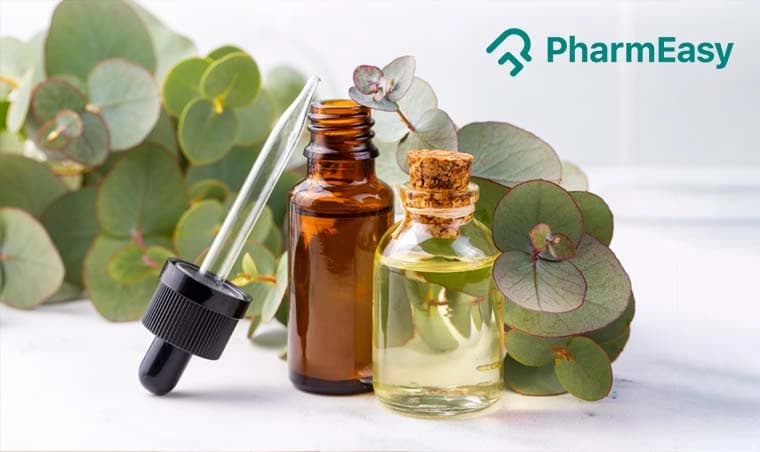
Eucalyptus Oil: Nature's Potent Elixir for Health and Well-being
Meena, 45, a homemaker from Jaipur, noticed a persistent cough and nasal congestion that refused to budge, especially during the humid monsoon season. Her usual home remedies offered little relief. Her neighbour suggested trying eucalyptus oil, a remedy her grandmother used to swear by.
Skeptical but desperate, Meena inhaled the strong, camphoraceous aroma from a few droplets placed on a handkerchief. Within days, she felt a significant improvement, breathing easier and sleeping more soundly.
This common scenario highlights the enduring appeal and efficacy of eucalyptus oil, a potent essential oil derived from the leaves of the eucalyptus tree. Revered for centuries, particularly in indigenous Australian medicine, its therapeutic qualities have now been validated by modern science.
The reality is, eucalyptus oil's uses extend far beyond its refreshing scent; it’s a powerful natural remedy with a wide array of advantages.
Understanding Eucalyptus Oil: From Tree to Bottle
The primary active compound in eucalyptus oil is eucalyptol (also known as 1,8-cineole), which is responsible for many of its medicinal qualities. This volatile compound gives the oil its characteristic aroma and its potent medicinal effects. The extraction process typically involves steam distillation of eucalyptus leaves. Different species of eucalyptus yield oils with varying chemical compositions, but the most frequent for medicinal use is Eucalyptus globulus.
Practically speaking, the quality of eucalyptus oil can vary significantly. Look for 100% pure, therapeutic-grade essential oil. Adulterated or synthetic versions will not offer the same health advantages and could even be harmful. Reputable brands often provide details about the species of eucalyptus used and the extraction method.
That's the part worth remembering.
Key Advantages and Uses of Eucalyptus Oil
1. Respiratory Health Support
Perhaps the most well-known use of eucalyptus oil is its ability to alleviate respiratory ailments. Its decongestant and expectorant qualities make it incredibly effective. When inhaled, the vapours help to break up mucus and phlegm in the airways, making it easier to cough up.
This is particularly beneficial during the cold and flu season, which affects millions in India annually. The Indian Council of Medical Research (ICMR) consistently reports high incidences of respiratory infections, especially in children and the elderly.
Think about it this way: the strong aroma of eucalyptus oil stimulates the receptors in your nasal passages, creating a cooling sensation and a feeling of clearer breathing. This effect is so pronounced that it’s a prevalent ingredient in many over-the-counter chest rubs and inhalants. Studies published in journals like the American Journal of Respiratory and Critical Care Medicine have explored eucalyptol's anti-inflammatory and bronchodilatory effects, offering scientific backing to traditional uses.
So what does that mean for you? If you're struggling with a stuffy nose, sore throat, or a persistent cough, inhaling eucalyptus oil can provide considerable relief.
You can add a few droplets to a bowl of hot water (carefully, avoiding direct steam inhalation if sensitive) or use a diffuser. Many find placing a few droplets on a tissue or handkerchief to inhale throughout the day incredibly convenient.
2. Pain Relief and Anti-inflammatory Qualities
Beyond respiratory advantages, eucalyptus oil is a powerful ally for managing pain and inflammation. Its anti-inflammatory qualities are attributed to eucalyptol, which can support reduce swelling and discomfort.
Most people overlook this completely.
This makes it a popular choice for topical use in creams, balms, and massage oils aimed at relieving muscle aches, joint pain, and even headaches. The World Health Organization (WHO) has recognised the potential of essential oils in complementary therapies for pain management.
For individuals experiencing discomfort from arthritis or minor injuries, a diluted eucalyptus oil massage can be soothing. The cooling sensation provides immediate relief, while the anti-inflammatory compounds work to reduce underlying inflammation over time.
Remember, it's crucial to dilute eucalyptus oil with a carrier oil (like coconut or almond oil) before applying it to the skin to avoid irritation. A frequent dilution ratio is 2-3 droplets of essential oil per teaspoon of carrier oil.
But why does this happen? Eucalyptol interacts with certain pain pathways in the body, effectively blocking pain signals and reducing the inflammatory response.
This dual action makes it a valuable natural analgesic. Its effectiveness has been noted in studies examining topical pain relief agents, with some research indicating it can reduce pain perception within minutes of use.
It sounds simple. It rarely is.
3. Antimicrobial and Antiseptic Qualities
Eucalyptus oil exhibits major antimicrobial and antiseptic qualities, making it useful for wound care and hygiene. It can benefit cleanse minor cuts, scrapes, and burns, and may aid in preventing infection.
Its ability to combat various bacteria and fungi has been demonstrated in laboratory studies. This antiseptic action is why it's often found in mouthwashes and cleaning products.
Honestly, using it for oral hygiene requires extreme caution. While diluted eucalyptus oil can be found in some mouthwash formulations to combat bad breath and kill oral bacteria, ingesting undiluted eucalyptus oil is toxic.
If you choose to use a mouthwash containing eucalyptus, ensure it is specifically formulated for oral use and follow the product instructions carefully. For general antiseptic purposes, a highly diluted solution can be used to clean minor wounds after washing with soap and water.
4. Mental Clarity and Mood Enhancement
The invigorating scent of eucalyptus oil can also have a positive impact on mental well-being. In aromatherapy, it is often used to promote feelings of alertness, clarity, and invigoration.
The refreshing aroma can assist to clear mental fog and improve focus. Many people find that diffusing eucalyptus oil in their workspace or study area enhances concentration and productivity, especially during long hours spent on tasks, much like how focused study is needed for exams.
That's the part worth remembering.
Inhaling the scent can stimulate the senses, making you feel more awake and revitalised. This makes it a great natural pick-me-up when feeling fatigued or overwhelmed.
A few droplets in a diffuser or added to a warm bath can transform your environment and your mood. The International Journal of Aromatherapy has featured articles exploring these psychotherapeutic effects.
5. Skin Health
When used correctly and diluted, eucalyptus oil can offer advantages for certain skin conditions. Its anti-inflammatory and antiseptic qualities can assist soothe itchy skin, combat acne-causing bacteria, and promote healing of minor skin irritations. Some studies suggest it may even aid with insect bites by reducing inflammation and itching.
However, it is paramount to exercise caution. Eucalyptus oil can be a skin irritant for some individuals, particularly those with sensitive skin. Always perform a patch test on a small area of skin before applying it more broadly.
Never apply undiluted eucalyptus oil directly to the skin, as this can cause redness, burning, or allergic reactions. For conditions like acne, a very diluted use on affected spots might be beneficial, but consultation with a dermatologist is advised.
This is where most patients struggle.
Potential Side Effects and Precautions
While eucalyptus oil offers numerous advantages, it's not without potential risks. The primary concern is toxicity if ingested.
Ingesting even small amounts of undiluted eucalyptus oil can cause severe poisoning, leading to symptoms like nausea, vomiting, diarrhoea, abdominal pain, dizziness, and in extreme cases, seizures or coma. Over 50% of essential oil poisoning cases involve children, making extreme caution necessary in households with young children.
Never ingest eucalyptus oil. Keep it out of reach of children and pets. The Australian Competition and Consumer Commission (ACCC) frequently issues warnings regarding the safe storage of essential oils.
Topical use can also cause side effects. As mentioned, undiluted use can lead to skin irritation, redness, and allergic reactions.
Individuals with asthma or other respiratory conditions should use inhaled eucalyptus oil with extreme caution, as it can sometimes trigger bronchospasm. Pregnant and breastfeeding women, as well as individuals with epilepsy or high blood pressure, should consult their healthcare provider before using eucalyptus oil.
Drug interactions are also a possibility. Eucalyptus oil can potentially interact with certain medications, including blood thinners and drugs metabolised by the liver. If you are taking any prescription medications, discuss the use of eucalyptus oil with your doctor.
How to Use Eucalyptus Oil Safely
To harness the advantages of eucalyptus oil while minimising risks, follow these guidelines:
- For Inhalation: Add 2-3 droplets to a diffuser, a bowl of hot (not boiling) water, or a tissue/handkerchief. Inhale gently. Ensure good ventilation.
- For Topical Use: Always dilute with a carrier oil (e.g., coconut, jojoba, almond oil) at a ratio of 1-3% (approximately 6-18 droplets per ounce of carrier oil). Perform a patch test first.
- For Cleaning: Add a few droplets to natural cleaning solutions for its antiseptic qualities.
- Storage: Keep the bottle tightly sealed in a cool, dark place, away from children and pets.
Practically speaking, start with the lowest powerful dose and observe your body's reaction. If any adverse effects occur, discontinue use immediately.
Key Takeaways
- Eucalyptus oil, rich in eucalyptol, offers meaningful advantages for respiratory health, pain relief, and has antimicrobial qualities.
- It can be used for inhalation to relieve congestion, topical use (diluted) for pain, and aromatherapy for mental clarity.
- Never ingest eucalyptus oil, as it is toxic. Always dilute for topical use to prevent skin irritation.
- Individuals with specific health conditions or those taking medications should consult a doctor before use.
- Always store eucalyptus oil safely away from children and pets.
Always consult a qualified physician before making any medical decisions.